
Fine Aggregates: Exploring the Characteristics and Applications in Modern Construction
Quick answer: Fine aggregates are the small particles in concrete and mortar, such as river sand, crushed-rock sand and recycled fines, smaller than 4.75 mm.

Quick answer: Fine aggregates are the small particles in concrete and mortar, such as river sand, crushed-rock sand and recycled fines, smaller than 4.75 mm.

Quick answer: A 3 BHK interior in Noida costs about ₹4.5 to ₹6 lakhs for a basic finish, ₹7 to ₹12 lakhs for mid-range work,

Quick answer: To choose a residential construction company in Noida, define your home type, size, design and budget, then shortlist through referrals, reviews and visits

Quick answer: An RCC slab for a house in India typically costs ₹180 to ₹250 per sq ft all-inclusive, covering cement, sand, aggregate, steel, shuttering

Quick answer: Building a commercial building in India costs about ₹1,200–₹1,800 per sq ft for a basic warehouse or shed, ₹2,000–₹2,800 for a standard office
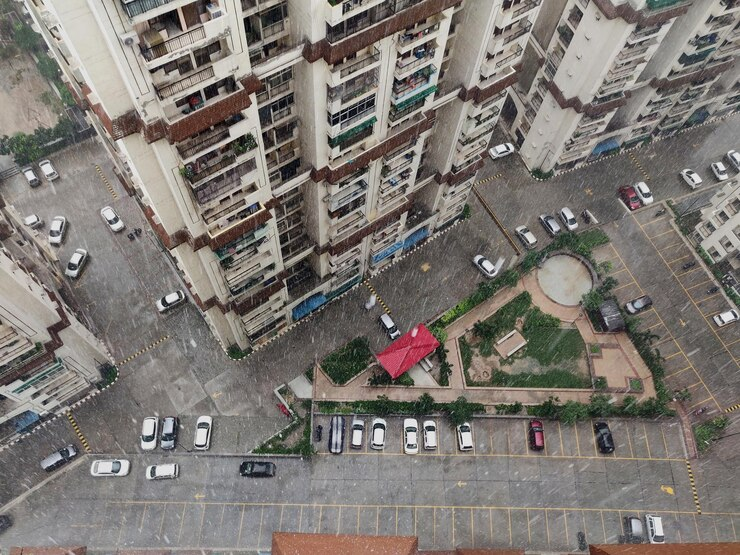
Quick answer: Per this guide to the 2025 Rajasthan rules, plots up to 90 sq m can have ground plus 2 floors, up to 9

Quick answer: There is no single fixed count, because Indian quarries in Rajasthan, Gujarat, Madhya Pradesh and Andhra Pradesh supply many named varieties. This guide

Quick answer: The Council of Architecture’s mandatory minimum fee for an individual residential house is 7.5% of the cost of works assigned, under the Architects

Quick answer: A rafter is a sloping member that runs from the ridge to the eaves and carries the main roof load down to the

Quick answer: A stilt floor is the open ground level of a building, held up on columns and left without walls so it can be

Quick answer: The common outside window designs for a home are casement, picture, awning, single or double-hung, slider, bay and bow, clerestory, dormer, corner and

Quick answer: The standard mortar ratio for brickwork is 1:4, which is 1 part cement to 4 parts sand. Use a stronger 1:3 to 1:4

Quick answer: Roof railings for Indian homes are usually made of stainless or mild steel, glass, cable or wrought iron. Whatever the style, the railing

Quick answer: A standard 1000 sq ft RCC house typically requires around 3 tonnes of steel, 400 bags of cement, 1,800 cu ft of sand,

Quick answer: The quickest ways to make an old home feel new are a fresh coat of paint, better lighting, opening up the living spaces,

Quick answer: Residential construction in India costs about ₹1,810 to ₹3,000 per sq ft for a standard house. For a 1000 sq ft house that

Quick answer: Building a house in Dehradun costs about ₹1,700 per sq ft on average, so a 1,000 sq ft house comes to roughly ₹17,00,000

Quick answer: A sliding wardrobe with a loft has doors that slide on a track instead of swinging open, so it needs no clearance in

Quick answer: Density is mass divided by volume, measured in kg/m³. Concrete is about 2400 kg/m³, common red brick 1900 kg/m³ and steel 7700 kg/m³,

Quick answer: Maximum built-up area = plot area × FAR (also called FSI). The largest footprint you can build on the ground = plot area

Quick answer: Gaur City is a residential township in Greater Noida West. According to this post it connects to Noida, Ghaziabad and Delhi through NH-24,

Quick answer: To build a home on a plot in Wave City, Ghaziabad, check the plot’s title and dimensions, find out what the development authority

Quick answer: Asphalt shingles are roofing tiles made from fibreglass mats coated in asphalt and topped with ceramic granules that block UV rays. They are
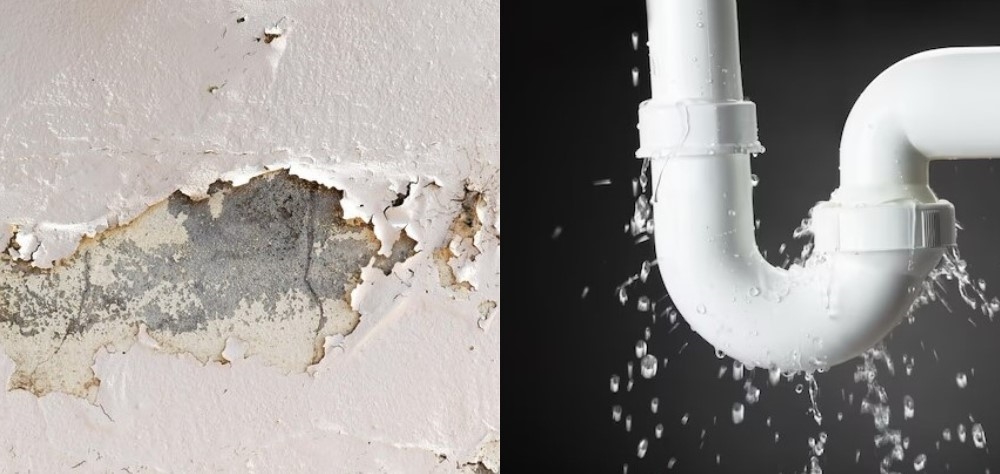
Quick answer: Leakage is water escaping through a definite opening, such as a burst pipe, a failed joint or a crack in the roof. It
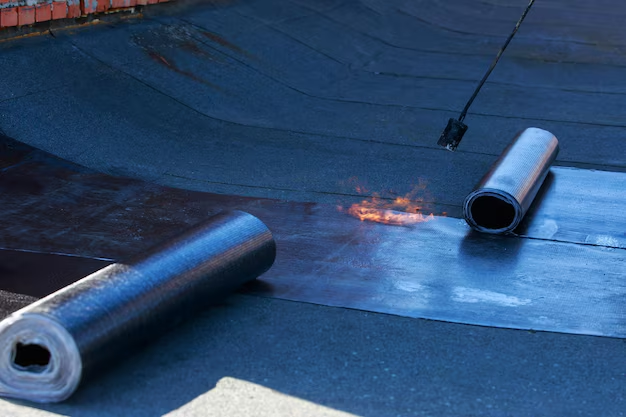
Quick answer: DPC stands for damp proof course. It is a continuous layer of waterproof material, such as bitumen sheet, polyethylene sheet or dense concrete

Quick answer: A footing is the widened base of a foundation that spreads a building’s load safely onto the soil. Footings fall into two groups:

Quick answer: This guide says stilt parking is mandatory on Noida residential plots above 112 square metres, with three floors allowed above it, and that

Quick answer: RCC stands for Reinforced Cement Concrete. It is concrete with steel bars cast inside it. Concrete is strong when it is squeezed but

Quick answer: The large builders named in this list, such as DLF, Godrej Properties, Lodha Group and Prestige Group, mostly develop apartments and commercial projects

Quick answer: Modern balcony glass railings come in three types: frameless, semi-frameless and framed. Frameless gives the clearest view, semi-frameless uses vertical clamps for extra

Quick answer: Choose roofing sheets by climate, roof slope, lifespan, the weight your structure can carry, and budget. Metal sheets suit most homes: they are
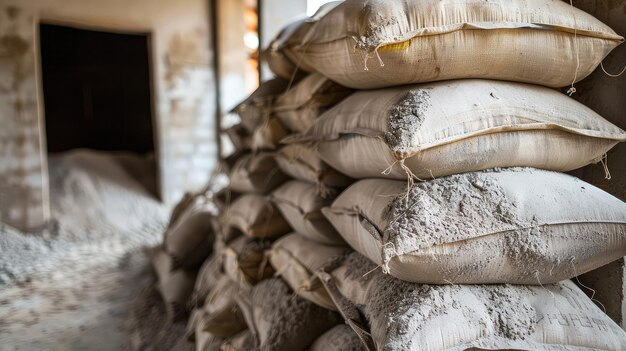
Quick answer: A nominal 1:2:4 concrete mix needs about 6.34 bags of cement (50 kg each) per cubic metre, using a dry-volume factor of 1.54.
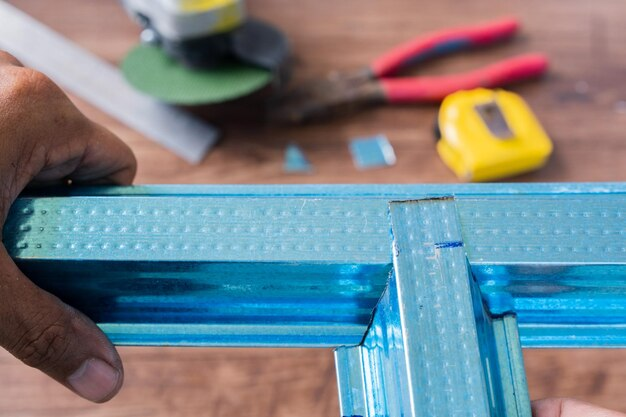
Quick answer: Beading is a narrow strip of wood, metal or PVC fixed along the edges of walls, door and window frames, tiles and corners.
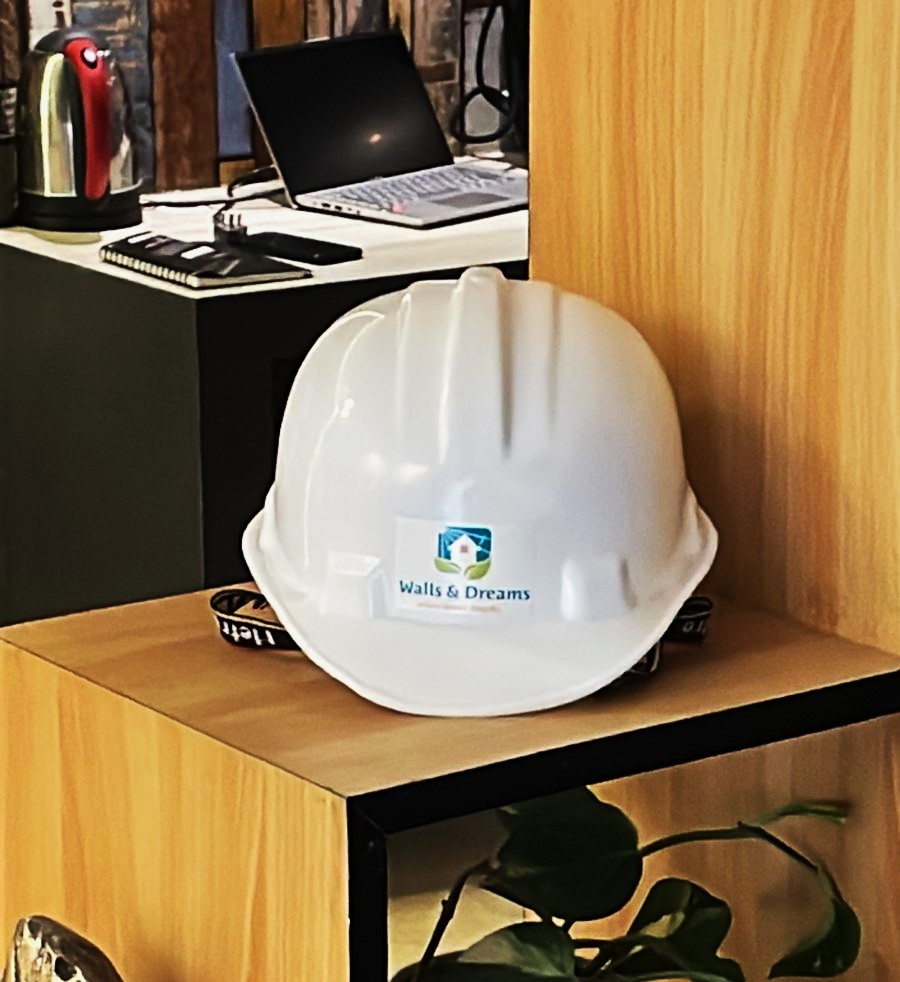
Quick answer: Basic construction site safety means every worker wears PPE (hard hat, safety glasses, gloves, steel-toed boots), fall protection at heights, clear hazard signs
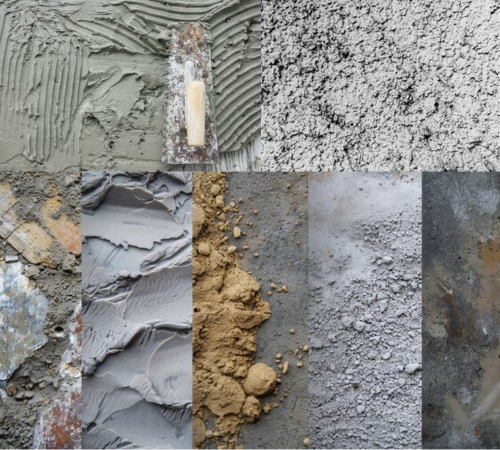
Quick answer: Use 53 grade cement for beams, columns and other RCC work, and 43 grade for brick masonry, plastering and flooring. PPC costs less
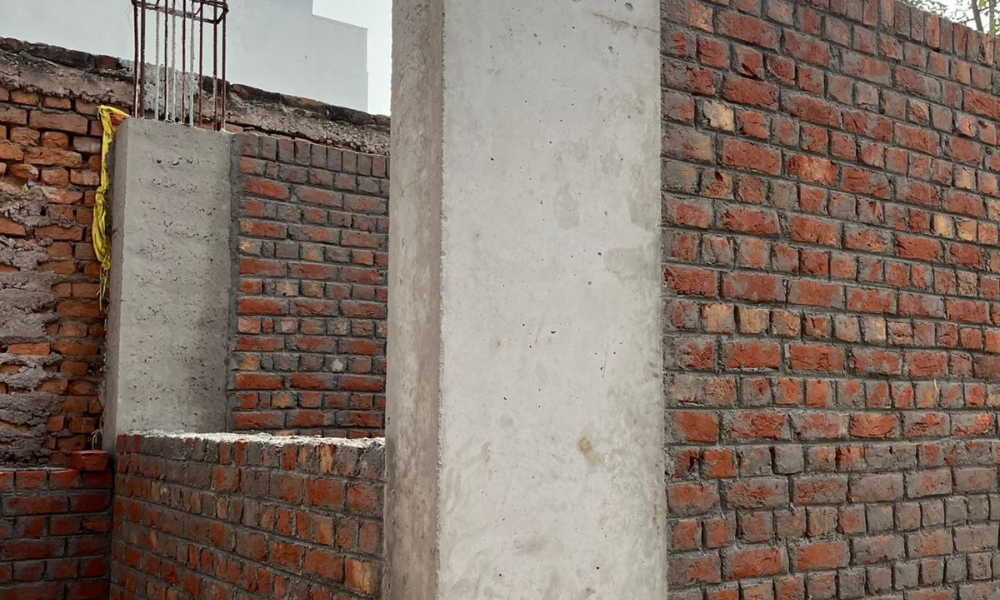
Quick answer: You need approximately 10 bricks per square foot of a 9-inch thick wall, using the standard Indian modular brick (190 × 90 ×

Quick answer: In Noida and Greater Noida, stamp duty is 7% of the property value for a male buyer, plus a registration fee of 1%.
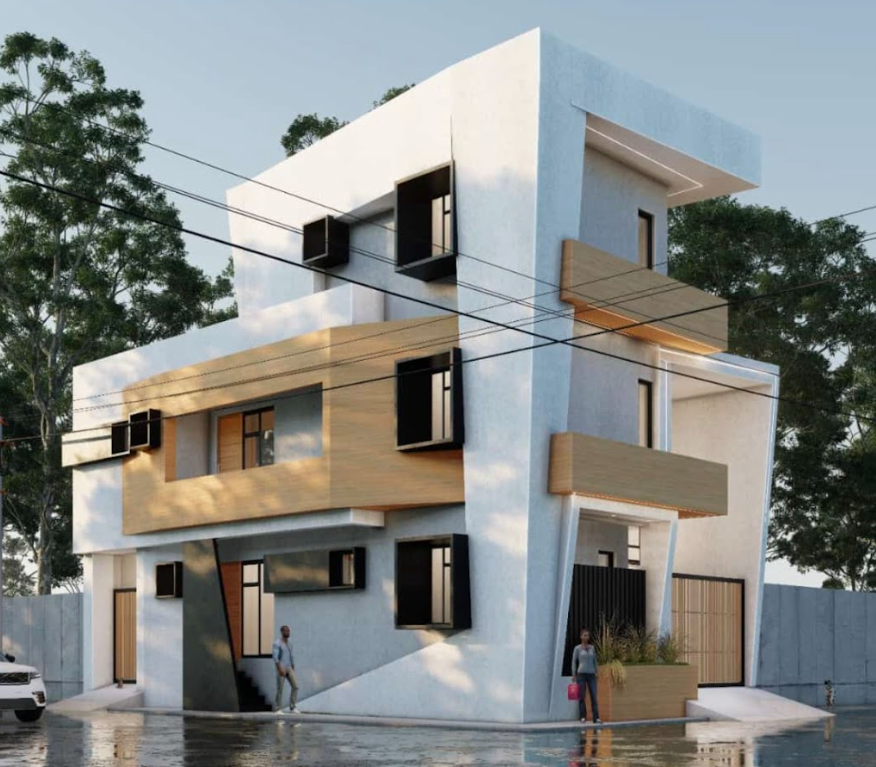
Quick answer: The main types of house elevation design are contemporary, modern, traditional Kerala, European and combination styles. Contemporary elevations are bold and asymmetrical, modern
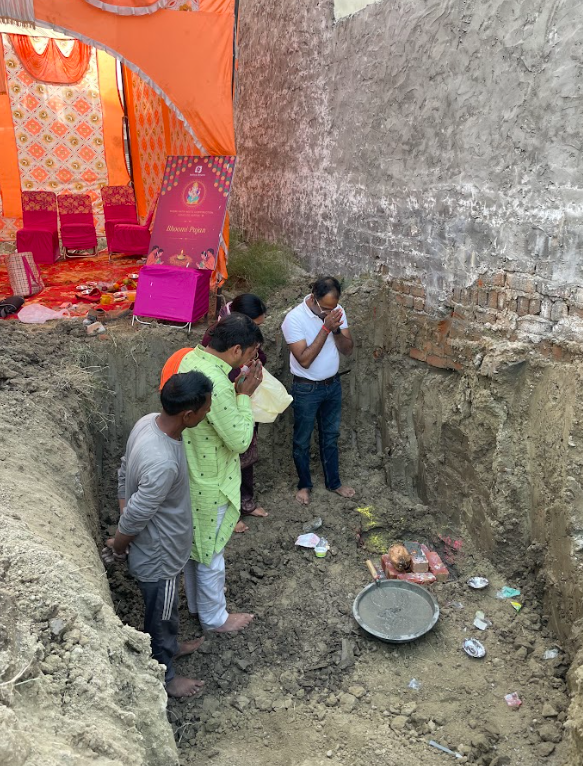
Quick answer: Bhoomi Pujan is the ritual performed on the plot before construction begins, asking Bhumi Devi (Mother Earth) for permission and blessings. It is
Walls and Dreams