
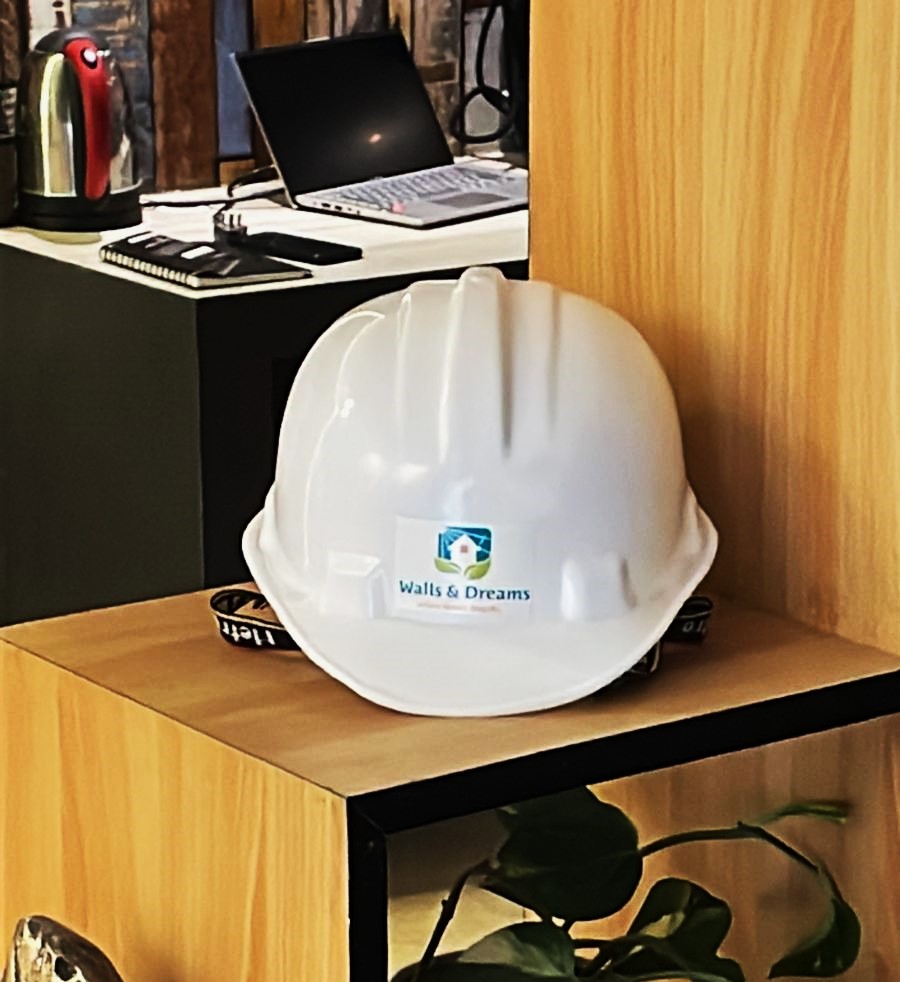
Quick answer: Basic construction site safety means every worker wears PPE (hard hat, safety glasses, gloves, steel-toed boots), fall protection at heights, clear hazard signs and briefings, maintained equipment, first aid and evacuation maps, safe electrics, a tidy site, shored excavations, heat-stress care and regular safety training.
Construction sites are recognized as a high risk work zone, hence construction site safety is crucial when undertaking projects. Safety in construction requires specific construction safety rules that serve to safeguard workers as well as stabilize the work environment. At Walls and Dreams we respect compliance and the right to a safe workplace with the objective of protecting every worker on site. This blog provides an overview of the regulatory system of construction safety in India, construction sites safety rules, as well as primary and secondary responsibilities of people working at construction sites, various risks, important precautions and having proper safety compliance and training.
Why Construction Safety Is A Must?
Construction sites are active areas marked with constant rates of incidents and accidents. It is worth stating that basic requirements of construction safety cannot be considered merely as legal requirements but rather moral demands. At Walls and Dreams, we have an understanding that every single employee should be protected from physical/psychological harm at the workplace.
The Human Cost
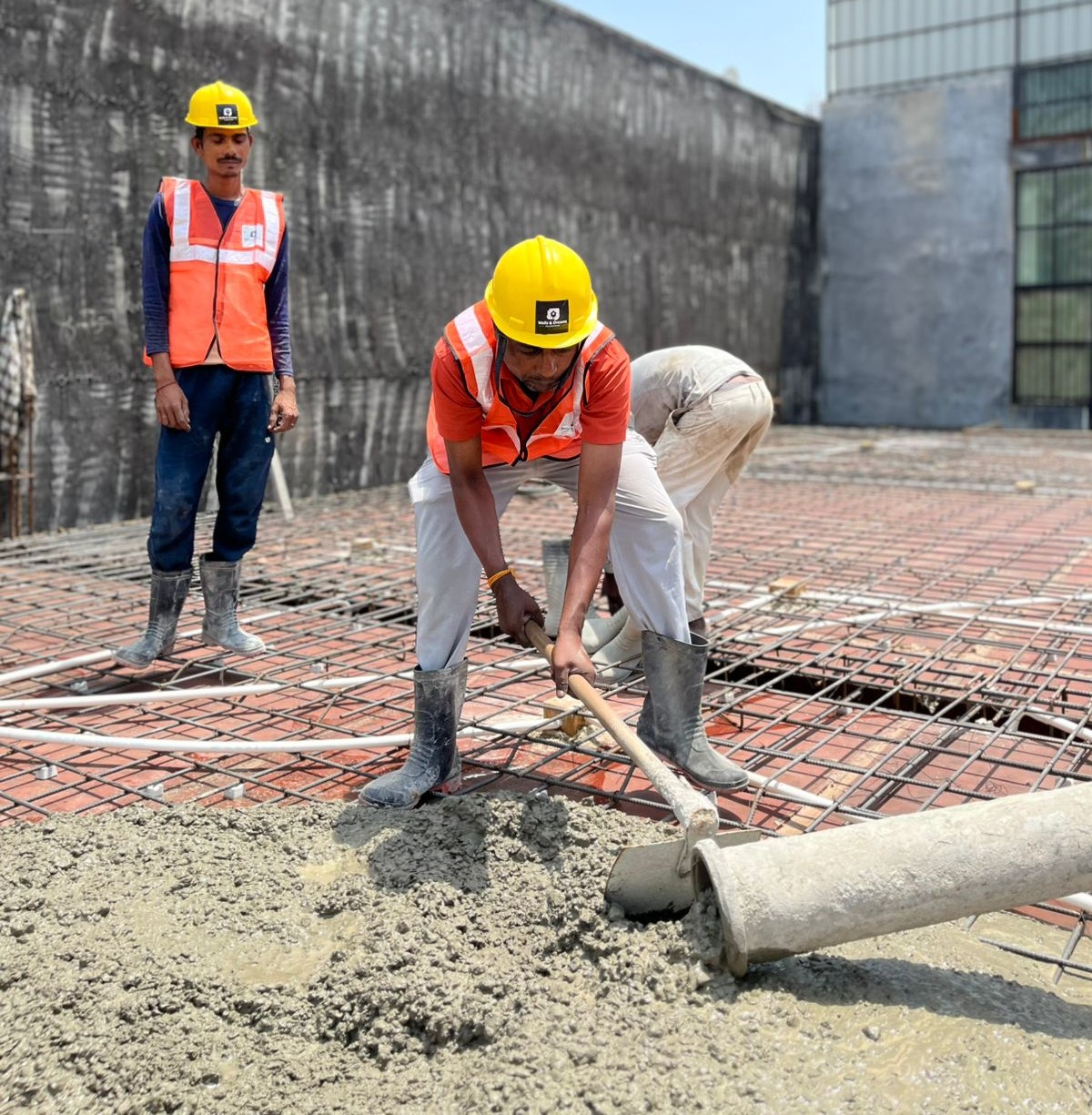
Construction sites are lively, active environments and most severe hazards are present with opportunities for exposure all day. Everything is a threat starting from the buildings, bridges and machineries which are famous all over the world. This is apart from the actual human cost of the loss of business, in which people’s lives and livelihoods are changed forever due to accident or injury. That is why at Walls and Dreams it is very clear that making sure that the construction sites are secure is not just our duty but also our responsibility.
Productivity and Efficiency
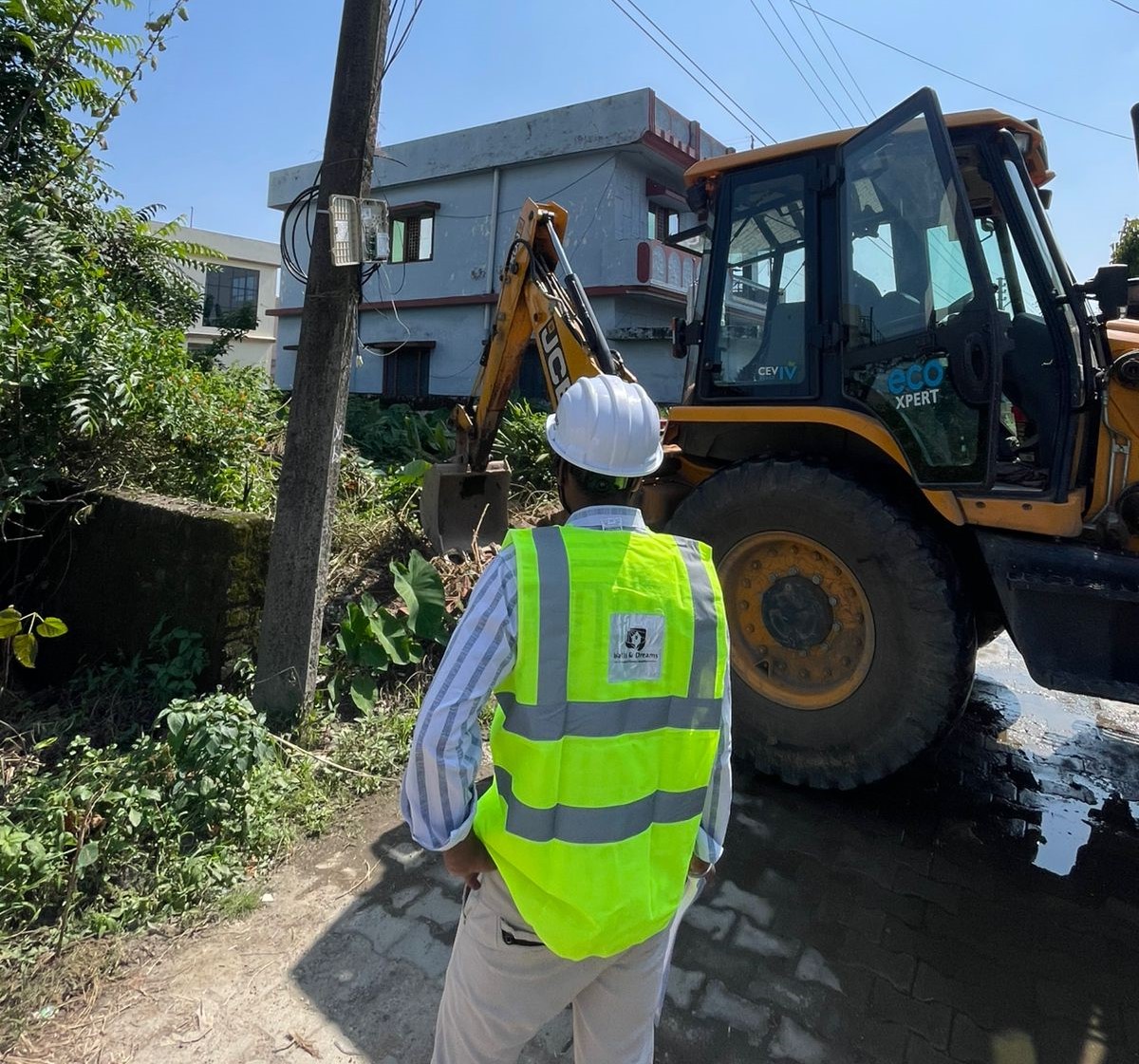
Apart from it being a matter of moral rectitude, construction safety is also a business necessity. Safe workplaces contribute to productivity, meeting organizational goals and objectives and have positive impacts on the lives of the workers. With an appropriate level of the organizational climate, employees are free to work without worrying about the environment and prioritize the completion of given objectives. On the other hand, cases of injury or an accident are inconveniences, expense adding mechanisms, and image detracting mechanisms that slow down progress towards success. Walls and Dreams says that safety applications are effectively included in each project to keep operations running smoothly.
Legal and Financial Ramifications
However, in today’s world of workers compensation and lawsuits, the consequences of ignoring construction safety rules are not heard only after an accident has occurred. Losses such as legal proceedings, high penalties, and dint on the company image, spell disaster for organisations. When it comes to construction site safety, Walls and Dreams not only shields its employees, but business image and profitability as well.
Building Trust and Reputation
In the construction industry where business is majorly done with individuals or organizations, a willingness to promote safety at construction sites can be a market advantage. Consumers, shareholders, and other market players turn to such businesses as Walls and Dreams where rules concerning safety on sites are taken seriously and ideas about it as a trustworthy business with its best interests aligned with those of its consumers.
Sustainability and Longevity
Therefore, at Walls and Dreams, we appreciate that construction safety is not merely about avoiding the occurrence of mishaps in the current construction projects; we construct for the future as well. That is why investing in safety rules and guidelines in constructions is the best foundation for long-term outcomes that can rally people behind those changes.
Simple Construction Site Safety Rules
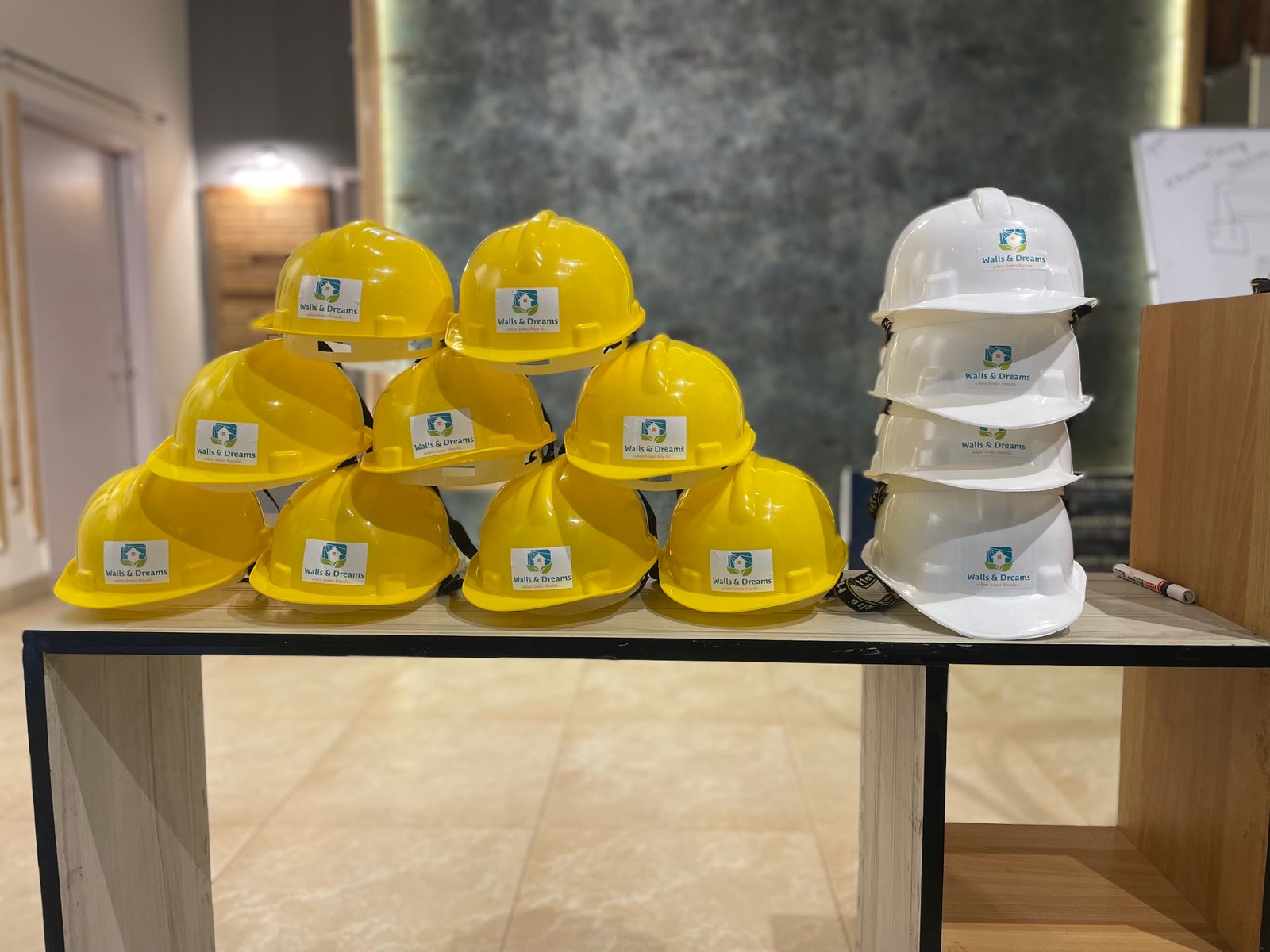
- Personal Protective Equipment (PPE): PPE is the main protective gear that workers can use to shield themselves from workplace hazards. Every employee has to always wear personal protective gear in the form of a hard hat, safety glasses, gloves and steel toed boots in order to protect them from possible injuries.
- Fall Protection: In the construction site, falls are one of the biggest causes of death. It is mandatory to add protection procedures like guard, nets, and harness to set up on heights for the employees.
- Hazard Communication: There is no doubt that communication of hazards is very effective to keep all the people informed and concerned.In Walls and Dreams, what matters most are proper signages, safety orientations, and mapping of hazards.
- Equipment Safety: The proper maintenance and usage of the construction site equipment greatly determine whether an accident will happen or not. What most defines Walls and Dreams, therefore, is embracing multiple rounds of inspection, on top of training the operators.
- Emergency Preparedness: It means that people’s lives depend on how prepared they are for emergencies. All the construction sites have Walls and Dreams ensure that they provide first aid kits, clear warning signs, and evacuation maps on site.
- Electrical Safety: Electrical power is always a major hazard on construction sites. Walls and Dreams addresses work support, protection, and electrical control measures and more specifically safe equipment grounding, tool insulation and adherence to lockout/tagout measures.
- Housekeeping: It is obvious that a cluttered workplace is a dangerous one and a clean workspace is safer for all. Walls and Dreams insist on proper cleaning schedules because their residents are at high risk for falls.
- Excavation Safety: The study of the case made it clear that excavation work entails certain risks. Proper precautions like shoring and trench box systems are always taken in Walls and Dreams construction projects.
- Heat Stress Prevention: Taking preventative action protects workers from dehydration, heat, and exhaustion by offering water, some form of shelter from Sun, and regular brew aficionado forces in hot weather to employ methods that would allow its workers protection from heat.
- Safety Training: Part of the features of Walls and Dreams is to provide adequate safety training to the workers and guarantee that they do not allow accidents to occur mostly because they can address them in the best manner.
Conclusion
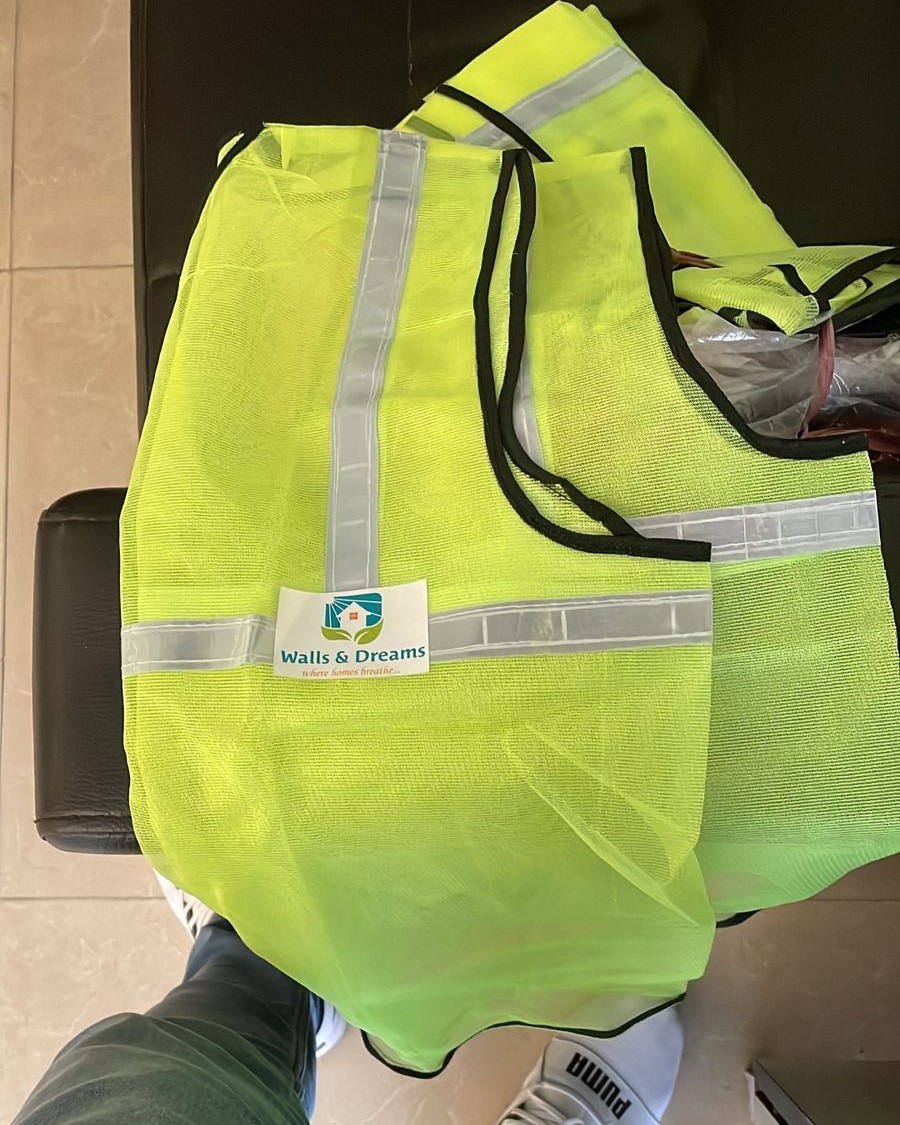
At Walls and Dreams, we ensure that construction sites safety is a topmost priority in all out conveying processes. When construction safety rules are given top importance, then safety of lives is realized, trust is created, innovations encouraged and sustainability is promoted. Combining our efforts let us create a safer and more secure environment for all personnel in the construction sector.
Safety ties into planning and supervision. Read the step-by-step house construction process, house construction mistakes to avoid and how to avoid delays in a home building project. For protecting the finished house, see fire safety at home. If you are building in Noida, see our construction company in Noida page.
Frequently asked questions
What protective equipment is required on a construction site?
Every worker should always wear a hard hat, safety glasses, gloves and steel-toed boots. This personal protective equipment is the main gear that shields workers from site hazards.
How are falls prevented on a construction site?
Falls are one of the biggest causes of death on sites. Guards, nets and harnesses are set up wherever employees work at height.
What electrical safety measures are needed on site?
Safe equipment grounding, insulated tools, protection and electrical control measures, and following lockout/tagout procedures.
How is excavation work made safe?
Excavation carries its own risks. Precautions such as shoring and trench box systems should be used.
How are workers protected from heat?
Provide drinking water, shelter from the sun and regular breaks in hot weather, so workers are protected from dehydration, heat and exhaustion.