

Quick answer: Roof railings for Indian homes are usually made of stainless or mild steel, glass, cable or wrought iron. Whatever the style, the railing should be at least 1 metre high, firmly fixed to the parapet or slab, and finished to resist rust and weather. Choose the material by budget, upkeep and how open you want the terrace to look.
Designing roof railings carefully will achieve two benefits for your home through both appearance enhancement and safety protection. Railing design for roof in indian homes depend on roof railings to maintain essential safety in addition to terrace defense and upper deck decoration especially within urban neighborhoods where rooftops function as valuable living space.
Walls and Dreams promotes roof railings that deliver resistance against damage alongside attractive looks and reliable safety standards. This article discusses roof railing choices as well as essential design aspects and contemporary modern roof railing design patterns with helpful maintenance strategies to find the perfect rooftop fit.
Types of Roof Railings
Selecting an appropriate roof railing design requires knowledge of different options which match specific requirements. Various home styles find suitable design matches between rustic wooden railings and contemporary glass railings.
1. Steel Railing
House roof railing design incorporates steel as its preferred material because of its excellent strength and adaptability. The steel product displays refined edge shapes while accommodating various finish choices between matte black and glossy silver. Modern homes benefit from steel railings since they work well with glass or wood to optimize design appearance.
2. Cable Railing
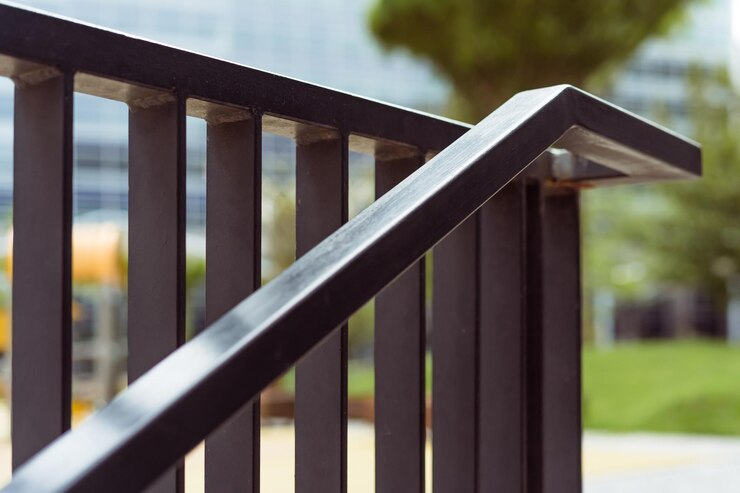
Modern roof railings design often use cable railings that use tensioned metal wires to produce an unimpeded visual experience. The system works best on high-level observation decks where minimal upkeep is required.
3. Floral Motif Railing
The decorative roof railing components made from steel and wrought iron feature floral designs. These designs bring both a traditional ornamental appearance to the home most effectively for homes with traditional or fusion-style architectural designs.
4. Curved Stainless Steel Railing
This railing design follows an elegant contemporary style through its soft curved lines. Such railings combined with glass create an open and high-end effect on rooftops.
5. Glass and Steel Railing
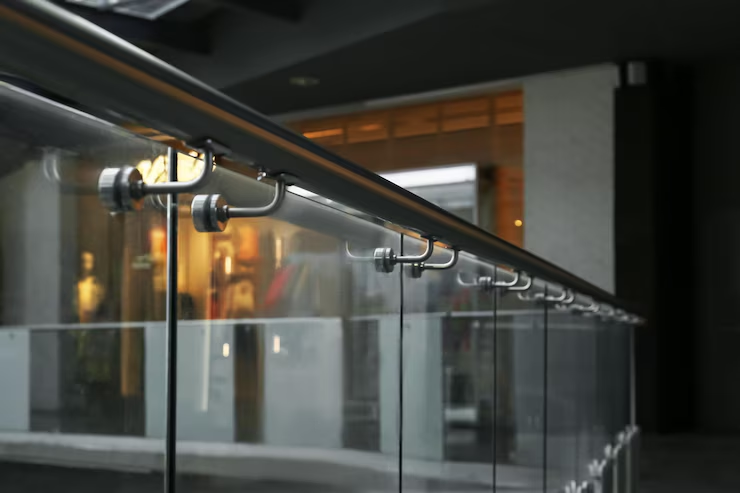
Modern roof railings are made from glass panels which stainless steel frames complement with a stylish contemporary aesthetic. Modern roof railing design lovers will appreciate frosted or tinted glass panels because they provide privacy together with unrestricted views and light transmission.
6. Minimalist Railing
Minimalist railings display their characteristics through geometric designs and simple straight lines. Sleek and functional steel components as well as cable systems and glass elements continue to become increasingly popular among urban home designs.
7. Wrought Iron Railing
Before it loses its appeal vital characteristics of wrought iron remain its intricate decoration and durable structure. Rust-resistant coatings allow this material to succeed in roofing design through traditional or vintage-inspired house railings.
8. Horizontal and Vertical Railings
Both offer distinctive looks. Horizontal railings provide modern extended lines and traditional safety comes from vertical designs which normally use iron or wood elements.
9. Rustic Railing
House rooftops gain their appeal through rustic railings made from various natural materials including wood and stone. These railing designs infuse well with houses featuring conventional styles together with eco-friendly architectural ideals.
Key Considerations for Roof Railing Design
Selecting the proper railing design for roof requires the following factors to be considered.
- Safety First: Roof railings in India should extend to a minimum height of 1 meter according to the National Building Code of India.
- Material Selection: The selection of materials should include stainless steel together with treated wood and tempered glass because these elements provide durable resistance against weather elements.
- Climate Compatibility: The climate in coastal or humid areas requires selecting roofing materials which demonstrate corrosion resistance.
- Aesthetic Integration: The appearance of your roof railing design should harmonize with existing architectural features of your house.
- Customization: The process of customization should include custom railings that feature Indian traditional designs while incorporating materials such as recycled metal or bamboo for an eco-friendly appearance.
Design Styles and Aesthetic Options
The Indian residential design now combines traditional aspects with contemporary materials to achieve fusion-style structures that unite security features with attractive appearances.
- Stainless Steel with Wood: Combines robustness and warmth, great for family homes.
- Glass with Steel Frame: Offers uninterrupted views and sleek modernity, ideal for urban rooftops.
- Cable Railings: Luxury dwellings along with high-rise developments benefit from cable railings because they provide panoramic views and elegant simplicity while offering simple maintenance needs.
- Brick-Inspired Railings: represent a choice for those seeking rural authenticity roof railing design of bricks because they achieve both structural power and traditional farmhouse charm through their brick construction.
Installation Process
Proficiency is needed for the installation process of house roof railing designs. Here’s a simplified step-by-step:
- Measurement and Planning: Accurate measurements in the planning stage result in perfect spatial relationships and correct dimensional alignment.
- Base Fixing:The main step involves fastening steel or wooden base supports to either welding points or bolt points based on their composition.
- Panel or Rod Installation: Symmetric installation of glass, cable or iron components happens after base fixing to ensure correct spacing occurs throughout the assembly.
- Finishing Touches: The project ends when gears receive proper torques while all connections get sealed and every point of safety receives attention.
The installation process is primarily managed by Walls and Dreams professionals but grasping the installation sequence lets customers make design choices and prioritize safety measures.
Maintenance and Durability
A properly maintained railing system possesses an expected lifetime of several decades.
- Monthly Check-ups: A routine physical inspection once per month should include a search for deteriorated screws along with cracks and rust.
- Bi-Annual Deep Inspections: The checking of material strength takes place every six months particularly following stormy weather and rainy seasons.
- Material-Specific Cleaning:
- Steel: Use mild detergent and anti-rust sprays.
- Glass: Clean with a streak-free solution.
- Wood: Wooden railings must be treated with sealants while termite activity needs to be monitored.
You should apply UV protective layers on metal surfaces and glass elements to stop fading. The periodic application of stains along with exterior wall sealants protects wooden railings from water damage and insect intrusion.
Conclusion
The careful railing design for roof provides dual benefits of home visual appeal with increased safety features and enhanced property value. The modern roof railing design you choose either in steel and glass or rustic brick construction says equally about your personal style and daily living style.
Walls and Dreams serves homeowners by developing personalized house roof railing designs which integrate durability with aesthetic appeal along with innovative elements. Rooftop materials combined with different styles enable you to transform rooftop spaces into beautiful home extensions.
Invest smartly. Choose quality. The rooftop should become your ideal area, one that feels safe and looks attractive.
If the railing is for a parapet, read how a brick parapet wall is built and designed. For a plain, cheap finish, see our notes on a low-cost rooftop design. Stairs leading to the roof need their own handrail, covered in the RCC staircase guide. If you are building a new house, see our construction company page.
Frequently asked questions
What is the minimum height of a roof railing in India?
The post follows the National Building Code of India, which asks for a roof railing at least 1 meter high. Treat that as the minimum, and check with your local authority and architect if your plot has stricter rules.
Which material is best for a roof railing?
Stainless steel, treated wood and tempered glass hold up well against weather. In coastal or humid areas, pick materials that resist corrosion. Steel and glass suit modern homes, while wrought iron and brick suit traditional ones.
Is a glass railing safe on a terrace?
Yes, when tempered glass is held in a stainless steel frame and fixed properly. Frosted or tinted glass also gives privacy while keeping the view and the light. Check the fixings regularly, as with any railing.
How often should a roof railing be inspected?
Check it once per month for loose screws, cracks and rust. Do a deeper check every six months, especially after storms and the rainy season, to confirm the material is still strong.
How do I maintain steel, glass and wooden railings?
Clean steel with mild detergent and use anti-rust sprays. Clean glass with a streak-free solution. Treat wood with sealants and watch for termite activity. UV protective layers on metal and glass stop fading.
What are the steps to install a roof railing?
First measure and plan the layout. Then fix the base supports by welding or bolting, depending on the material. Next fit the glass, cable or iron panels with even spacing. Finally tighten and seal all connections and check every safety point.