
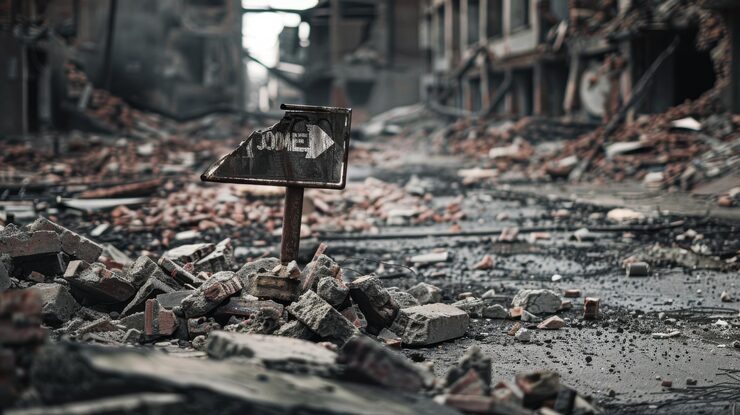
Building a home in Delhi NCR requires more than attractive architecture and quality materials. Since the region falls under Delhi earthquake zone classifications of high seismic risk, structural safety becomes a critical part of home construction. Proper engineering and compliance with seismic design standards help protect lives, reduce structural damage, and improve the building’s performance during an earthquake. At Walls and Dreams, every residential project is planned with safety and long-term durability in mind.
What Does Seismic Zone IV Mean?
India is divided into different seismic zones based on the likelihood and intensity of earthquakes. Delhi NCR is located in seismic zone 4, which is considered a high-damage risk zone.
This means buildings should be designed to:
- Resist earthquake forces.
- Minimize structural damage.
- Protect occupants during seismic events.
- Comply with Indian Standard (IS) codes.
- Maintain overall structural stability.
Ignoring seismic requirements can significantly increase the risk of damage during an earthquake.
Why Earthquake-Resistant Design Matters
A properly designed earthquake resistant building is engineered to absorb and distribute earthquake forces instead of collapsing under stress.
Some key benefits include:
- Improved occupant safety.
- Reduced structural damage.
- Better load distribution.
- Greater building stability.
- Lower long-term repair costs.
- Increased property value.
The goal is not to make a building completely immune to earthquakes but to reduce the chances of severe structural failure.
Key Structural Features of an Earthquake-Resistant Home
Modern residential buildings include several engineering measures to improve seismic performance.
These include:
- Strong and properly designed foundations.
- Well-connected beams and columns.
- Ductile reinforcement detailing.
- Balanced structural layouts.
- Proper load transfer paths.
- High-quality construction materials.
Each component works together to improve the building’s overall resistance during ground movement.
How House Design Changes in Delhi NCR
Homes constructed in Delhi NCR often require additional structural considerations compared to regions with lower seismic activity.
Engineers typically review:
- Foundation design based on soil conditions.
- Column sizes and reinforcement.
- Beam dimensions.
- Shear wall requirements where necessary.
- Roof load distribution.
- Structural symmetry.
These adjustments improve the building’s ability to withstand lateral forces generated during an earthquake.
Materials Alone Cannot Ensure Safety
Many homeowners believe stronger concrete or additional steel automatically makes a building safer. However, good seismic performance depends on engineering rather than simply increasing materials.
A safe design requires:
- Proper structural calculations.
- Correct reinforcement detailing.
- Quality workmanship.
- Compliance with design standards.
- Professional site supervision.
Even premium materials cannot compensate for poor structural planning.
Common Mistakes That Reduce Earthquake Safety
Several construction practices can weaken a building’s performance during seismic activity.
Avoid mistakes such as:
- Unplanned structural changes during construction.
- Removing load-bearing elements.
- Poor reinforcement placement.
- Using low-quality construction materials.
- Inadequate curing of concrete.
- Ignoring structural drawings.
Following approved engineering drawings throughout construction is essential for maintaining structural integrity.
The Role of Professional Structural Engineers
Experienced structural engineers play a crucial role in designing safe homes in seismic regions.
They are responsible for:
- Structural analysis.
- Load calculations.
- Foundation design.
- Reinforcement detailing.
- Code compliance.
- Construction support.
Their expertise ensures every structural element works together as a complete system.
Choosing the Right Construction Partner
Building in a seismic region requires experienced professionals who understand local conditions and engineering standards.
When selecting a construction partner, look for:
- Qualified structural engineers.
- Knowledge of earthquake design codes.
- Transparent construction practices.
- Quality material management.
- Professional project supervision.
- Proven residential construction experience.
At Walls and Dreams, every home is planned with earthquake resistant construction principles to improve safety, durability, and long-term performance without compromising functionality or aesthetics.
Conclusion
Living in a high seismic zone doesn’t mean you should worry about building your dream home—it simply means you should build it the right way. Proper structural planning, quality materials, and compliance with seismic design standards create homes that are better prepared for unexpected ground movement. With Walls and Dreams, homeowners receive expert engineering guidance and construction solutions designed to deliver safe, reliable, and long-lasting homes across Delhi NCR.
Frequently Asked Questions
Is Delhi NCR located in a high earthquake-risk zone?
Yes. Delhi NCR falls under Seismic Zone IV, which is considered a high-risk earthquake zone in India.
Can an existing house be made earthquake resistant?
In many cases, older buildings can be strengthened through structural retrofitting after a professional engineering assessment.
Does earthquake-resistant construction increase construction costs?
It may involve a slightly higher initial investment, but it significantly improves safety and can reduce future repair costs.
Are all multi-storey buildings designed for earthquakes?
They should be designed according to applicable structural codes, but proper design and quality execution are equally important.
Why should I hire experienced structural engineers for my home?
Qualified engineers ensure the building is designed according to structural standards, local regulations, and seismic safety requirements, resulting in a safer and more durable home.