
Quick answer: Low-cost building materials in India include fly ash bricks, hollow concrete blocks, AAC blocks, filler slabs, precast panels, compressed earth blocks, bamboo and prefabricated parts. They save money through lighter weight, faster work or less labour. Choose by local availability, your builder’s experience and your engineer’s approval, not by price per unit alone.
In India, there are a number of ways that assist in building affordable housing more accessible than in other areas. The low cost building materials and construction methods have been enhanced by the builders and contractors who have adopted ideas that will help them construct affordable homes for their customers. These materials provide shelter facilities that are permanent, sustainable and are aimed at the low and middle income population bracket. A construction calculator India homeowners rely on should let you change the finish level and the number of floors.
Get to know more about suitable types of affordable construction materials in India which enables the construction of environmentally friendly and cheap houses.
Which are the best low-cost home construction materials in India?
1. Can bamboo be used for low-cost construction?
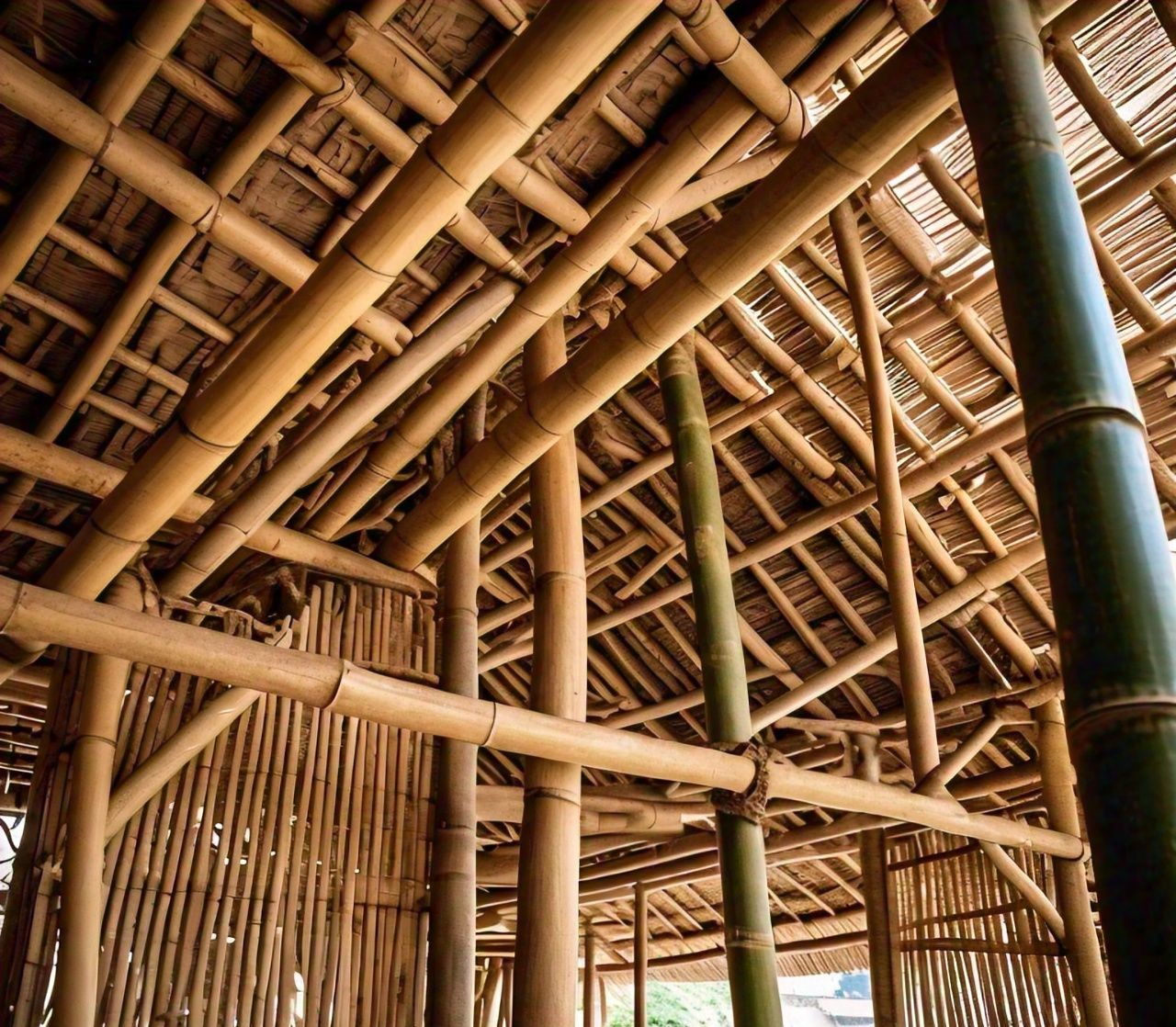
Bamboo is one of the valuable crops in India, which may be effectively used for the construction of buildings with low costs. The application of this product is mum, it has an average yield of 3.23 million tons annually, resistant, light weight, has tensile strength similar to that of steel and is environmentally friendly. When chemically treated for termite resistance, bamboo can be used in construction for roofing and may even replace steel for framework without adding carbon footprint.
2. Why use fly ash bricks instead of clay bricks?

Fly ash bricks are better quality bricks when compared to the normal bricks, lightweight and relatively cheaper. They are found to be more solid compared to the clay bricks; they allow a minimal amount of dampness and they are good in the fight against fire, and are environment friendly. Builders can reduce costs while embracing materials that are durable and easy to maintain by using the fly ash bricks.
3. What are hollow concrete blocks good for?
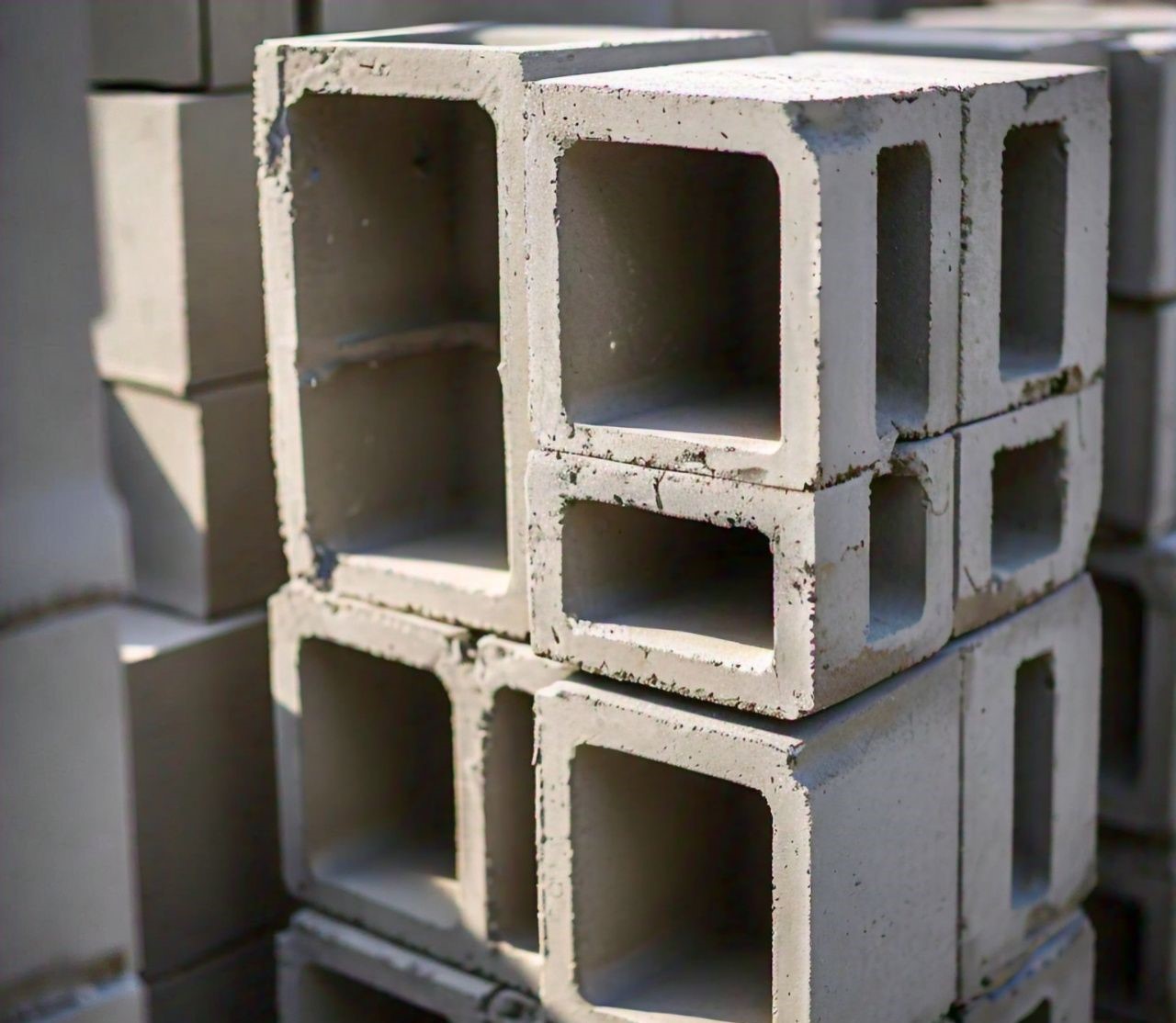
Hollow concrete blocks used in walls are cost effective construction material having hollow cores for insulation and provision for electrical or plumbing. These blocks can enhance construction time, can be constructed from recycled materials, and need little workforce.
4. How does a filler slab save material?

Specific materials that have been used as filler slabs because they lower the concrete weight without compromising on its strength, consist of sand-sized particles derived from crushed stone, glass as well as slag. Buildings, highways, bridges, tunnels and various larger structures utilize these flexible materials in their construction and bring low cost in low cost housing projects.
5. Are prefabricated components cheaper to build with?
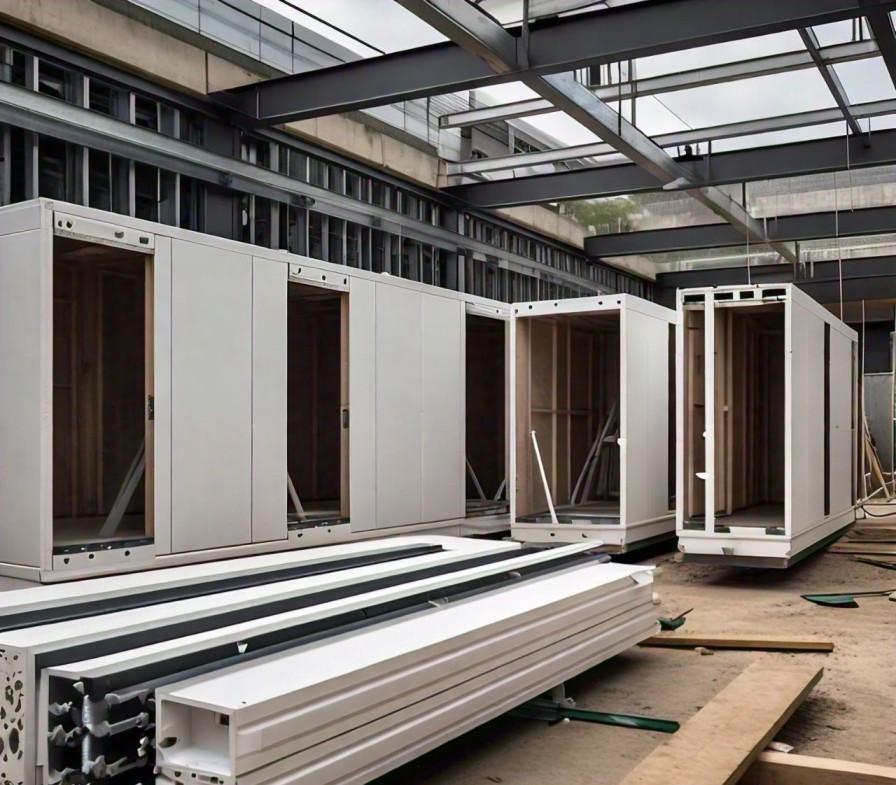
Building components such as doors, windows and floor panels are pre-fabricated in factories and can be constructed using recycled material to enhance the environmental portfolio of the host building. Assembling parts are quicker to put up hence they are suitable for low-cost housing with durable, sustainable and fast-fix products.
6. What is a compressed earth block?
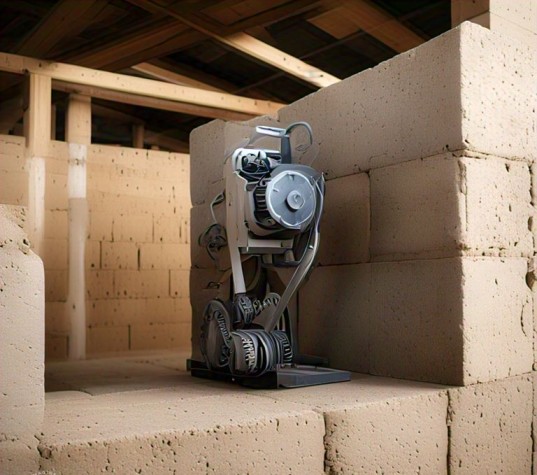
Consisting of subsoil clay sand and aggregates compressed earth blocks have properties such as fire insects mold resistance. Incorporated with cement binder, the above blocks are considerably water proof hence the home building material that comes cheap but which has an added quality of temperature control besides withstanding pressure.
7. Where are precast concrete panels used?
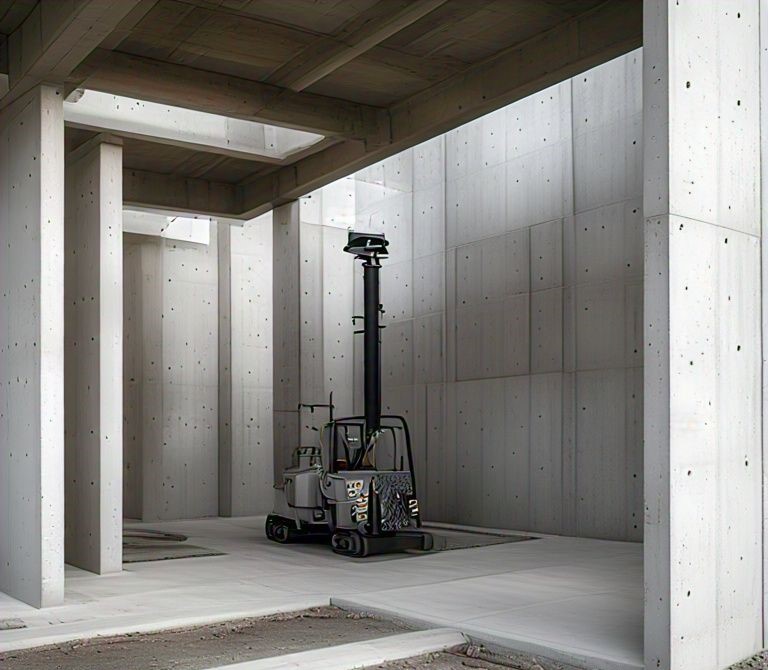
Precast concrete panels can also be used on walls, floors and ceilings, are durable and have some fire resistance. Fabricated and manufactured at the factory, these panels reduce square footage expense and increase quality control. They are used extensively in low rise construction in housing, commercial and industrial structures using substandard building materials.
8. What is a glass fibre reinforced gypsum panel?
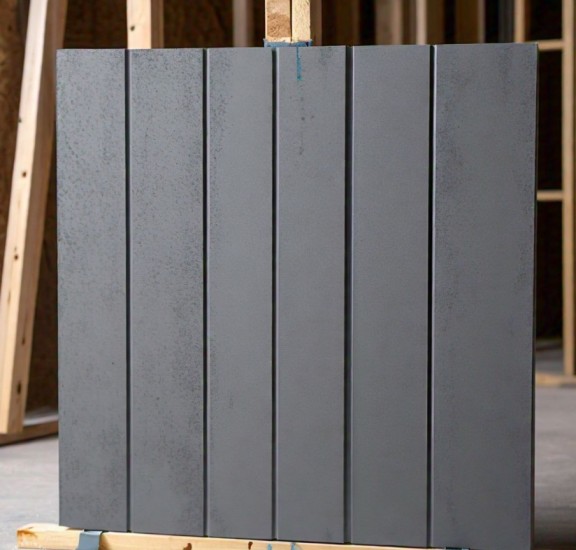
These thin fire protective acoustic panels are made through the incorporation of gypsum bound with glass fiber and used primarily in walls and ornamental work. This concept also makes it possible to incorporate excellent sound insulation, which enhances the usability of fast installations to value engineered low cost construction materials with green impacts.
9. Can a shipping container be used as a home?
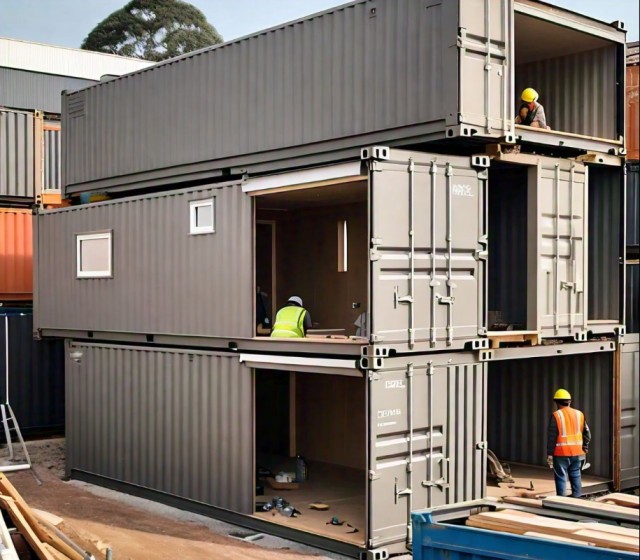
The use of discarded shipping containers ensures that housing is sustainably developed and installed at a relatively low cost. These containers are easy to customize, portable, and durable, hence providing residents with affordable houses hence unique competition.
10. What are AAC blocks and why are they light?
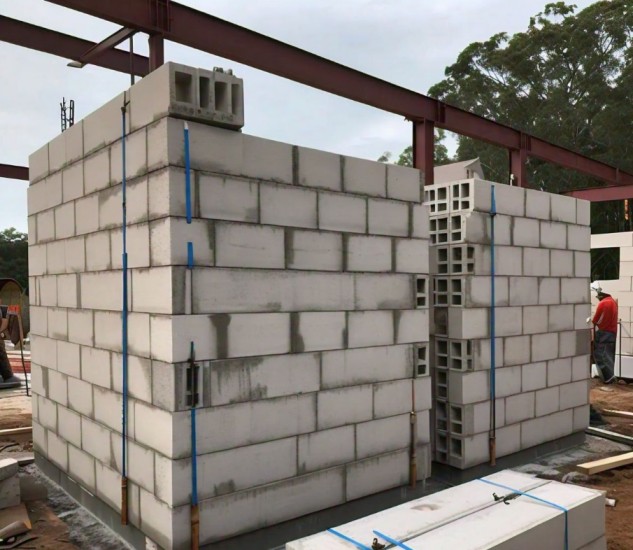
AAC blocks further are light weighted, having sound absorption and insulating properties. AAC blocks, which are made by including air bubbles to cement and aggregates, are cost effective building materials which offer strength and performance well in extreme weather conditions. They are typically described as foam boards but are sturdier for applications where they will bear weight.
How do you choose a low-cost material for your house?
A material is only cheap if it suits the job and your builder knows how to use it. Check these before you decide:
- Local availability: a material that has to be brought from far away loses its price advantage in transport.
- Skilled labour: fly ash bricks, hollow blocks and AAC blocks are easy to find masons for. Compressed earth blocks, GFRG panels and container homes need builders who have done them before.
- Load-bearing or infill: most of these materials are meant for walls. The structure, such as columns, beams and slabs, still needs to be designed in RCC by a structural engineer.
- Approval: ask your architect whether the local authority accepts the material, and whether a bank will lend against it.
- Maintenance: a material that needs frequent sealing, painting or repair costs more over the years than it saves now.
Where can you save money, and where should you not?
Savings are safest in the walls and finishes. Using fly ash bricks, hollow blocks or AAC blocks instead of clay bricks for non-structural walls, or a filler slab in place of a solid slab, lowers the cost without touching the structure.
Do not cut corners on the foundation, the structural steel and concrete grade, waterproofing, and the wiring and plumbing that will be buried inside walls and slabs. Repairing these later costs many times more than doing them right. Our home building materials list shows what goes into each stage.
Is the cheapest material always the cheapest in the end?
No. Compare the cost of the whole wall or slab, not the price per unit. Look at wastage, the labour needed, how much plaster or finishing it takes, and how fast it goes up. A lighter block can lower the load on the structure and shorten the build, which saves on both steel and rent. A material that is cheap to buy but slow to build, hard to find labour for, or needs expensive finishing can end up costing more.
All these commonly used low cost construction materials have options for saving time, money and resources thus appropriate for use in affordable housing. The use of proper material can ensure that structures erected are sustainable, environmentally friendly and energy efficient. Top Indian contractors, Walls and Dreams can implement these affordable building solutions into reality.
To compare materials in more detail, see brick vs cement blocks in masonry, bamboo as a construction material and what is precast concrete. For the cost side, read prefab vs traditional construction cost. To plan your own build, see our construction company page.
FAQs
What Phase of House Construction is Least Costly?
The bamboo one is among the cheapest materials that can be used to construct a house. It is non-toxic, durable and versatile.
What is cheaper than bricks?
Fly ash bricks are cheaper than the regular clay/brentnol bricks manufactured from fly ash generated from industrial processes and provide better heat insulation.