
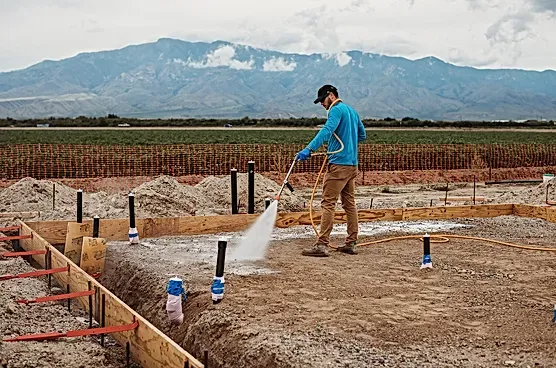
Quick answer: Pre-construction anti-termite treatment is a chemical soil treatment done before the foundation and flooring are laid, following IS 6313 Part II. The chemical goes on the trench bottom and sides, the plinth fill and the wall-floor junctions, at fixed litres per sqm. Do not treat in rain, and do not disturb the treated soil.
Any building structure is under threat because of termites. They secretly destroy wooden structures, floors, and even concrete structures resulting in expensive repair. Pre-construction anti termite treatment is the most effective way to safeguard your building or intended house against termites. The method provides a permanent precautionary barrier that prevents the entry of termites into a building and blocks entry to provide a long term shield.
What is Pre-Construction Anti-Termite Treatment?
Pre-construction anti-termite treatment is a soil treatment process carried out before the construction of a building is completed. It involves applying chemicals to the soil, building foundations, and junction points to prevent termites from entering the structure. This method is considered the most effective anti termite treatment in construction because it protects the building right from its base. The treatment follows specific guidelines under IS 6313 Part II and is performed up to the plinth level of the substructure.
Why is Anti-Termite Treatment Important in Construction?
- Prevents structural damages by termites..
- Not very expensive as compared to after construction treatments.
- Increases the performance and the service life of the structure.
- Minimizes attacks by termite on furniture, flooring and other materials.
When to Apply Pre-Construction Anti-Termite Treatment?
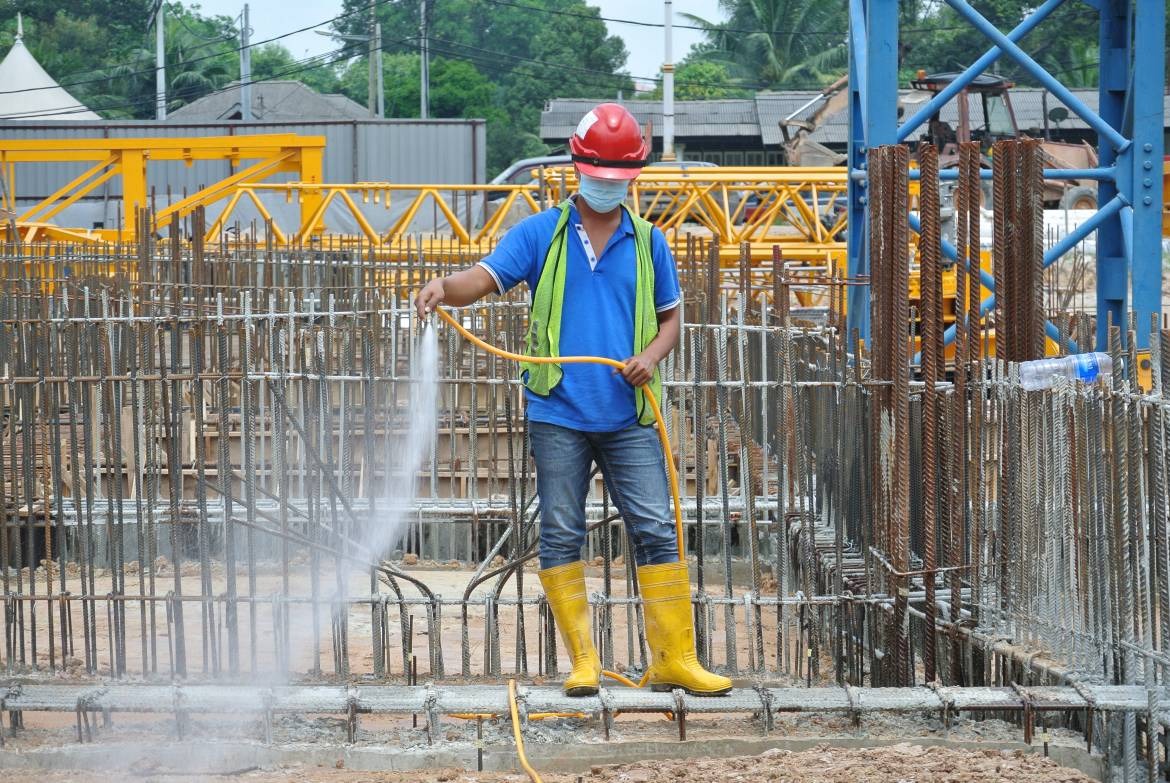
The treatment is applied before laying the foundation and flooring, after the trenches and pits are ready. It should be avoided during rain or when the soil is wet with rainwater or groundwater.
How Pre-Construction Termite Treatment Is Done?
The pre-construction anti-termite treatment procedure involves multiple stages of soil and structural treatment:
1. Foundation and Trench Treatment
- Apply anti termite soil treatment to the bottom and sides of the foundation trenches.
- Use an anti termite chemical for soil at a rate of 5 litres per sqm.
2. Plinth Filling and Substructure Treatment
- Treat the substructure area in contact with soil using chemicals at 7.5 litres per sqm.
- Injection depth: 450 mm, 150 mm away from the structure.
3. Flooring Area Treatment
Before laying the flooring, apply chemicals on the top surface of the consolidated earth inside plinth walls at 5 litres per sqm.
4. Junction of Wall and Floor
Drill holes at 150 mm intervals along walls and pour chemical emulsion at 7.5 litres per sqm to protect wall-floor joints.
5. External Perimeter and Expansion Joints
Treat the soil along the building’s perimeter and expansion joints to create a continuous chemical barrier.
Important: Once treated, the soil barrier should not be disturbed. If disturbed, re-treatment is necessary.
Chemicals Used in Anti-Termite Treatment
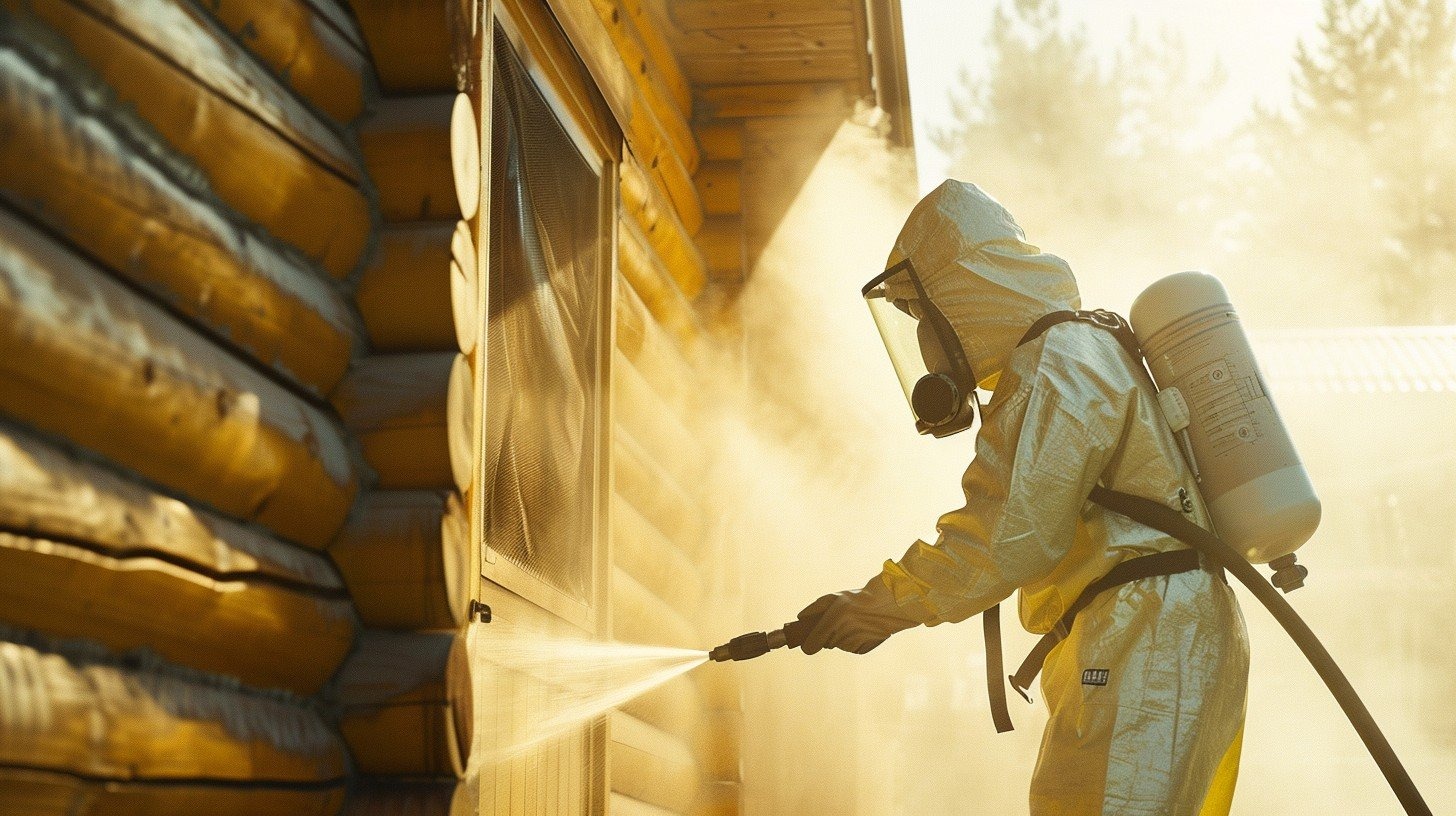
According to IS 8944, common chemicals include:
- Chlorpyrifos 20% EC @ 1% concentration in water.
- Imidacloprid 30.50% SC @ 0.075% concentration.
For brands like Bayer, follow the Bayer premise mixing ratio as per the manufacturer’s instructions.
Anti-Termite Treatment for Foundation
Special attention is given to the foundation during construction:
- For RCC foundations: Treat soil up to 500 mm below ground level at 7.5 litres per sqm.
- For masonry walls and basements: Apply chemical at 5 litres per sqm on bottom surfaces and sides of excavations.
Cost Considerations and IS Standards
The rate per sqm of the anti termite treatment may differ according to the chemical applied and also the place. In most cases, the estimates are done depending on the area that is being treated. At all times, you will want to be compliant with:
- IS 6313 Part I: Constructional measures.
- IS 6313 Part II: Pre-construction anti-termite treatment.
- IS 6313 Part III: Existing buildings treatment.
Download the Procedure PDF
For detailed guidelines and IS code references, you can download the pre-construction anti-termite treatment procedure PDF from authorized sources or request it from your contractor.
Key Benefits of Pre-Construction Termite Treatment
- Serves as a lasting boundary to termites invasion.
- No more treatment follow-ups.
- Safe and approved by IS standards.
How to check that the treatment is done properly
Termite treatment is hidden under the floor once the building is up, so the only time to check it is while it is being done. Ask the contractor or applicator for these points.
- Timing. The trenches should be open and the treatment done before concrete or filling covers them. Ask to be called when it starts.
- Chemical and mixing. Look at the chemical containers on site and confirm the name and strength match what was agreed. The mixing should be done on site with measured quantities, not poured in by eye.
- Coverage. The chemical should reach the bottom and sides of every trench, the plinth fill, the wall-floor junctions and the expansion joints. A missed patch is a way in for termites.
- Weather. Do not accept work done in rain or on wet soil.
- Record. Ask for a written note of the chemical used, the area treated and the date, and keep it with your house papers.
Common mistakes
- Skipping the treatment to save a small amount, and paying far more to treat an existing building later.
- Treating the trenches but forgetting the plinth fill, the wall-floor junction or the outside perimeter.
- Letting workers and vehicles dig up or churn the treated soil, or laying pipes through it after treatment, without re-treating.
- Putting wood or wooden formwork scraps in the fill, which gives termites food inside the barrier.
- Treating only once and assuming the building is safe for ever. Keep an eye on skirting, door frames and wooden furniture, and call for treatment if you see mud tubes.
Final Thoughts
Termite treatment on pre-construction is an important process in protecting your construction. The failure to receive this treatment may result in serious destruction of the structure and excessive expenses later. Whenever using an outsider, use a certified person to ensure good practice and that the standards of IS are followed.
Treatment comes right after excavation, so see the types of footings and why soil testing before construction matters. The treated plinth fill is then covered by plain cement concrete. Moisture is the other threat to a new building, covered in the guide to dampness in walls, and the questions to ask a contractor include who handles this work. If you are building in Delhi NCR, see our construction company in Noida page. Readers searching for civil work contractors Noida can see the scope we cover on our home page.
Frequently asked questions
What is pre-construction anti-termite treatment?
It is a chemical treatment of the soil, foundation trenches and junction points before the building is completed, done up to plinth level. It follows IS 6313 Part II and protects the building from its base.
When should the treatment be done?
Before laying the foundation and flooring, after the trenches and pits are ready. Avoid treating during rain or when the soil is wet with rainwater or groundwater.
How much chemical is used per square meter?
The post gives 5 litres per sqm for trench bottoms and sides and for the flooring area, and 7.5 litres per sqm for the substructure, wall-floor junction and RCC foundation soil up to 500 mm below ground level.
Which chemicals are used for anti-termite treatment?
According to IS 8944, common chemicals are Chlorpyrifos 20% EC at 1% concentration in water and Imidacloprid 30.50% SC at 0.075% concentration. For branded products, follow the manufacturer mixing ratio.
What happens if the treated soil is disturbed?
The chemical barrier is broken, so the disturbed area must be treated again. Once treated, the soil should be left alone until the work above it covers it.
Which IS codes cover termite treatment?
IS 6313 Part I covers constructional measures, Part II covers pre-construction treatment and Part III covers treatment of existing buildings. IS 8944 lists the chemicals used.