
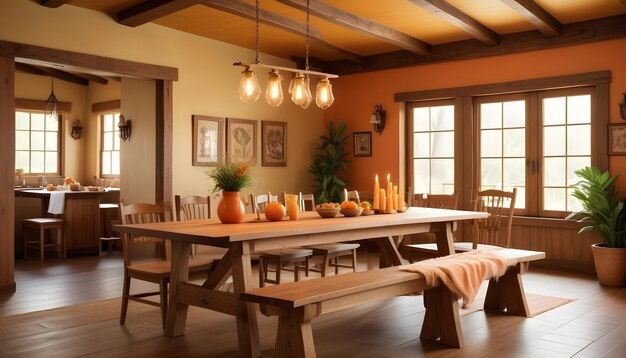
Quick answer: In 2026, finished woodwork for a home costs roughly ₹1,200 to ₹4,500 per square foot (of finished/shutter area), depending on the plywood grade and finish. A wardrobe typically runs ₹1,300–₹3,200 per sq ft with material, and a modular kitchen ₹1,500–₹4,500 per sq ft — premium PU or acrylic finishes with imported hardware can reach ₹5,000–₹8,000. The two decisions that move the price most are the plywood grade (MR, BWR or BWP/Marine) and the finish (laminate, veneer or PU).
Woodwork adds warmth, storage and character to a home like nothing else. But it’s also where interior budgets quietly blow out — mostly because people don’t know which plywood grade or finish they’re paying for. This guide covers the real decisions: what things cost, which wood and plywood to use where, and how to read a carpenter’s quote so you’re not overpaying.
Wood work cost for home — 2026 rates
Finished woodwork is priced per square foot of the visible surface (shutter/frontage area), including material and labour:
| Tier | Cost per sq ft | What it includes |
|---|---|---|
| Basic | ₹1,200 – ₹1,800 | Commercial (MR) plywood, laminate finish, basic hardware |
| Mid-range | ₹1,800 – ₹2,800 | BWR plywood, laminate or veneer finish, branded hinges/channels |
| Premium | ₹2,800 – ₹4,500+ | BWP/marine plywood, veneer / PU / acrylic finish, soft-close imported hardware |
Cost by item (with material): wardrobes ₹1,300–₹3,200/sq ft, modular kitchens ₹1,500–₹4,500/sq ft, TV units and wall panelling ₹1,200–₹2,500/sq ft. Standalone furniture (beds, sofas, dining tables) is usually quoted as a lump sum by design.
Tip: If a carpenter gives you a single per-sq-ft number with no breakdown, ask which plywood grade is included. That’s where the biggest quality — and price — difference sits.
Plywood grades: which to use where
The plywood grade decides both cost and how long the woodwork lasts in Indian humidity:
| Grade | Cost per sq ft | Water resistance | Best for |
|---|---|---|---|
| MR (Moisture Resistant / commercial) | ₹40 – ₹60 | Low | Dry areas — TV units, wardrobe interiors, bookshelves |
| BWR (Boiling Water Resistant) | ₹60 – ₹90 | Moderate | Wardrobes, general furniture, kitchen verticals |
| BWP / Marine (Boiling Water Proof) | ₹90 – ₹150 | High | Kitchens, bathroom vanities, anything near water |
Rule of thumb: use BWP/marine wherever there’s steam or water (kitchen shutters, near sinks), BWR for wardrobes, and MR only for dry, low-load items. Always ask for ISI (IS:303 / IS:710) certified ply and keep the warranty card.
Plywood vs MDF vs solid wood
| Material | Strength & moisture | Cost | Best for |
|---|---|---|---|
| Plywood | Strong, handles moisture, bears weight | Higher | Kitchens, wardrobes, anything load-bearing or damp |
| MDF | Smooth finish, but sags under load and swells if wet | Lower | Low-moisture, low-load items — TV back-panels, decorative shutters |
| Solid wood | Very durable, premium look | Highest | Feature furniture, doors, high-end pieces |
For a wardrobe or kitchen meant to last 15+ years, pay for plywood. MDF is fine for a quick, budget TV unit — not for anything that carries weight or gets wet.
Finishes: laminate vs veneer vs PU
- Laminate: the workhorse: durable, budget-friendly, huge range of colours and textures. Best value for most homes.
- Veneer: a thin layer of real wood for a natural, premium look; needs polishing and care.
- PU / acrylic: high-gloss, seamless, premium finish; the costliest, used on luxury kitchens and wardrobes.
Carpenter (on-site) vs modular (factory)
- On-site carpenter: fully customisable to odd layouts, lower labour cost, but quality depends on the individual and it takes longer on site.
- Modular (factory-made): precise, faster to install, comes with a warranty, and better finish consistency — at a higher price.
Choose on-site for tricky spaces and tighter budgets; choose modular for standard layouts where finish and speed matter.
Best types of wood for home interiors
| Wood | Character | Best for |
|---|---|---|
| Teak | Durable, oily, rot- and termite-resistant | Doors, premium furniture, outdoor use — see our teak wood types and costs |
| Oak | Strong, hard-wearing | Dining tables, cabinets, flooring |
| Maple | Dense, scratch-resistant, fine grain | Kitchen furniture, countertops |
| Cherry | Warm red-brown, darkens with age | High-end furniture, trims, moulding |
| Pine | Soft, easy to work, budget | Country-style furniture, bookshelves |
| Walnut | Heavy, rich brown, glossy | Feature furniture, headboards |
Woodwork ideas by room
- Living room: a custom coffee table or entertainment unit, plus wood wall panelling or ceiling beams for warmth.
- Kitchen: plywood cabinetry (BWP grade) for storage and durability; sealed wooden or laminate countertops for a natural look.
- Bedroom: built-in wardrobes that use space efficiently, plus a wooden headboard and nightstands to make the room feel calm.
Pros and cons of woodwork
Pros: durable and long-lasting when maintained; unmatched warmth and character; renewable material when responsibly sourced.
Cons: good wood and skilled work are costly; quality depends heavily on the carpenter’s skill; and it needs occasional care (polishing, anti-termite treatment).
One thing not to skip: ask for an anti-termite treatment before the finish is applied. It’s inexpensive at build time and very costly to fix later.
Plan your home’s woodwork with Walls & Dreams
From modular kitchens to built-in wardrobes and feature panelling, our interior design team handles woodwork end to end. See our interior projects for the standard we build to, or talk to our team for a quote tailored to your space.
Frequently asked questions
How much does woodwork cost per square foot in 2026?
Finished woodwork costs about ₹1,200–₹4,500 per sq ft of surface area, depending on plywood grade and finish. Wardrobes run ₹1,300–₹3,200 and modular kitchens ₹1,500–₹4,500; premium PU/acrylic kitchens can reach ₹5,000–₹8,000.
Which plywood is best for a kitchen?
BWP (Boiling Water Proof) or marine-grade plywood, at ₹90–₹150 per sq ft — it handles the steam, heat and water exposure a kitchen sees. BWR grade is enough for wardrobes.
Is plywood or MDF better for furniture?
Plywood is stronger, handles moisture, and bears weight — the right choice for kitchens, wardrobes and anything load-bearing. MDF is cheaper and smoother but sags under load and swells if wet, so use it only for low-moisture, low-load items.
What is the difference between laminate and veneer?
Laminate is a durable, budget-friendly synthetic finish with a huge range of designs. Veneer is a thin layer of real wood that looks natural and premium but costs more and needs care.
Should I use an on-site carpenter or modular furniture?
On-site carpentry is more customisable and cheaper on labour; modular (factory-made) furniture is more precise, faster to install and comes with a warranty, but costs more. Choose on-site for odd layouts, modular for standard ones.
What is the labour cost of carpentry per square foot?
Labour-only carpentry is about ₹120–₹250 per sq ft in 2026 (wardrobes ₹150–₹250, modular kitchens ₹180–₹300), on top of material and hardware.