
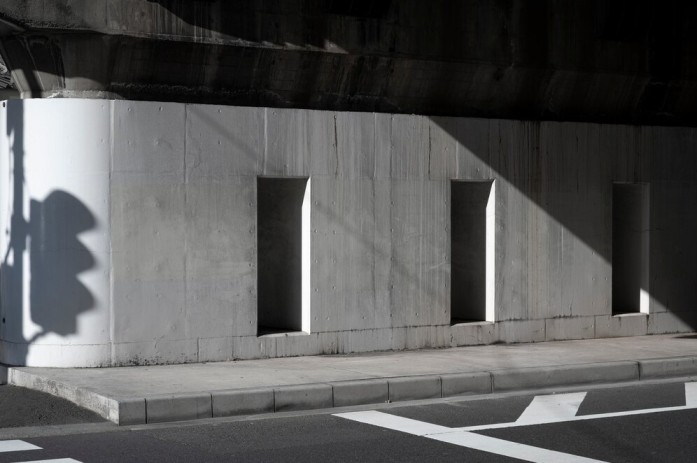
Quick answer: A cement wall design is a wall finished in cement plaster or concrete that is textured, grooved, carved or left smooth and used as the final surface without tiles or cladding. Common options are a plain smooth finish, a textured finish, carved murals, and cement combined with stone or brick. It is durable and fire resistant, but it must be cured and sealed properly.
Cement is usually the layer hidden under paint. Used as the visible finish, it gives walls a plain grey, raw look that suits modern houses and needs little upkeep. This guide covers the design options, where each one works, how the finish is made and what to watch for so that it does not crack or stain.
What is a cement wall design?
It is a wall whose finished face is cement-based. That can be:
- Cement plaster applied over a brick or block wall and finished smooth, textured or patterned.
- Exposed concrete, where a concrete wall is cast against good formwork and left as it is.
- A thin cement-based coating trowelled over an existing plastered wall to give a concrete look.
Cement walls are durable, fire resistant and stand up well to weather. Left unpainted, they have an honest, raw look. They can also be combined with painted surfaces, stone or brick.
What are the main cement wall design ideas?
Simple smooth cement wall
A plain, evenly trowelled grey surface with clean lines. It is the minimalist option and goes with almost any architectural style. Because there is no pattern to hide flaws, it needs the most careful workmanship: any unevenness or patchy colour shows.
Cement wall with mural designs
Shapes are carved or built up in the wet plaster to form a relief: abstract patterns, floral work or cultural themes. It is mostly used on exterior walls, entrance walls and boundary walls, and needs a mason or artist who does this work regularly.
Textured cement wall
The plaster is given a rough or patterned surface with a trowel, brush, sponge, comb or roller while it is still wet. Patterns range from subtle to bold. Texture hides small surface defects and hairline cracks better than a smooth finish, which makes it a practical choice outside. For indoor options, see these wall texture designs for the hall.
Cement wall with natural stone
Stone is set into or fixed over parts of a cement wall, especially on the front elevation. Stone veneer around windows and doorways, or across one section of the facade, adds texture against the plain grey. Our guide to natural stone finishes explains the choices.
Cement wall with brick
Cement and brick together give a modern look with some warmth. This is done either with real exposed brick panels next to plain cement, or by carving brick-like lines into the cement plaster. Inside, a cement-finish exterior pairs well with a painted accent wall in the living room.
Where can cement wall designs be used?
Inside the house
- Living rooms: one cement accent wall, usually behind the sofa or the TV, gives a contemporary look without darkening the whole room.
- Kitchens: cement stands up to heat, which suits a kitchen. It is porous, though, so it must be sealed or it will hold oil and turmeric stains.
- Bathrooms: a cement finish gives a calm, spa-like look, but only over proper waterproofing and with a sealer on top. Cement plaster by itself is not waterproof.
Outside the house
- Facades: patterns, grooves or coloured cement on the elevation.
- Outdoor living areas: patios, seating walls and outdoor kitchen counters.
- Retaining and garden walls: a textured or patterned finish turns a plain structural wall into a feature.
Commercial spaces
- Offices: cement-finish feature walls and partitions for an industrial look.
- Retail stores and cafes: a plain cement backdrop that lets the products and signage stand out.
How is a cement wall finish made?
The steps are simple, but each one affects the result.
- Prepare the wall. The brick or block surface is cleaned, loose mortar is removed and the wall is wetted so that it does not pull water out of the plaster. Joints between brickwork and concrete columns or beams are covered with mesh, because cracks usually start there.
- Apply the base coat. A first coat of cement plaster levels the wall.
- Apply the finish coat. The second coat is the one you will see. It is trowelled smooth, or textured, grooved or carved while it is still wet.
- Cut grooves or joints. On large walls, grooves are cut at regular intervals. They are part of the design and they also give the plaster a place to crack neatly, out of sight.
- Cure. The wall is kept damp for several days so that the cement gains strength slowly. Plaster that dries too fast cracks and turns powdery.
- Seal. Once fully dry, a clear sealer is applied. It keeps water and stains out and stops the surface from dusting.
What affects the cost of a cement wall design?
The price depends on the design complexity and the finish:
- Type of finish: plain plaster costs the least. Carved murals and exposed concrete cost the most because of the skill and time involved.
- Condition of the wall: an uneven wall needs more base work before the finish coat.
- Area and height: large or tall walls need scaffolding and more labour.
- Add-ons: stone, brick panels, colour pigments and sealers all add to the bill.
A cement finish can cost more than plain paint at the start. It usually costs less to maintain afterwards, because there is no paint to redo every few years.
How do you maintain a cement wall?
Cement walls need little upkeep. Cleaning with soap and water is enough for most marks. Take extra care around the monsoon: check for damp patches, white salt deposits and new cracks, and repair them before the next season. Reapply the sealer when water stops beading on the surface.
Common mistakes with cement wall finishes
- Skipping the sample. Colour and texture vary with the cement, the sand and the mason. Ask for a sample patch on the actual wall before the full job.
- Poor curing. The most common cause of cracks and a dusty surface.
- No grooves on a large wall. The plaster will crack wherever it likes.
- No sealer. An unsealed wall stains indoors and absorbs rain outdoors.
- Using it in wet areas without waterproofing. The finish is not the waterproofing.
- Patch repairs. A patch never matches the old colour exactly. Repairs are best done panel by panel, groove to groove.
If cracks do appear, our guide to types of cracks in concrete explains which ones matter.
Summary
A cement wall can be smooth, textured, carved or combined with stone and brick, and it works in homes and commercial buildings alike. It lasts well and needs little upkeep, provided the wall is prepared, cured and sealed properly. For related finishes, see cement ceiling designs and white cement vs wall putty. To plan cement finishes for your project, talk to Walls and Dreams; our interior company page explains how we handle wall finishes.
FAQs
What is a cement wall design?
It is a wall where cement plaster or concrete is the finished surface. The cement is trowelled smooth, textured, grooved or carved and then sealed, without tiles or cladding over it. It can be used inside or outside the house.
Are cement walls waterproof?
No. Cement walls stand up well to weather, but cement plaster is porous and absorbs water. In bathrooms and on exterior walls, the finish needs proper waterproofing underneath and a sealer on top.
Do cement walls crack?
They can. The usual causes are poor curing, no grooves on large walls, and unprotected joints between brickwork and concrete. Wetting the wall before plastering, curing for several days and cutting grooves at regular intervals reduce cracking.
Where can I use a cement wall finish in my home?
Common places are a living room accent wall, the kitchen, bathrooms, the front facade, outdoor sitting areas and garden or retaining walls. Kitchens and bathrooms need a sealed surface, and wet areas need waterproofing first.
Is a cement wall finish expensive?
The price depends on the design complexity and the finish. Plain plaster costs the least; carved murals and exposed concrete cost the most. It can cost more than paint at the start but is cheaper to maintain.
How do you clean and maintain a cement wall?
Regular cleaning with soap and water is enough. Check the wall around the monsoon for damp patches, salt deposits and cracks, and reapply a clear sealer when the surface starts absorbing water.