
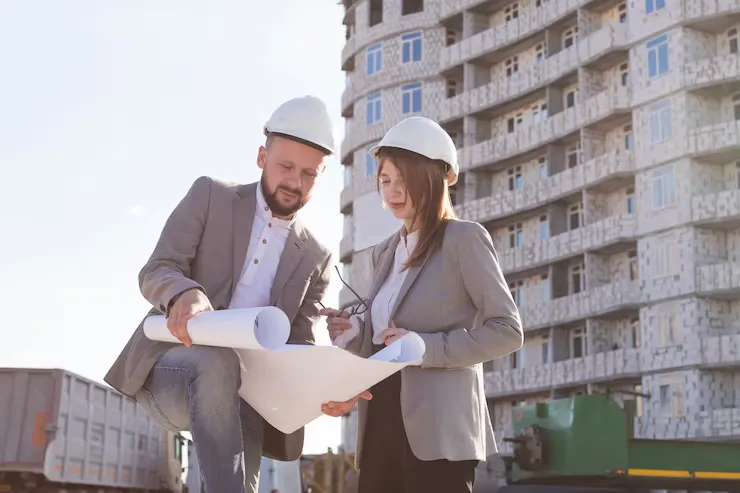
Quick answer: Build if you want a house designed around your family, control over materials and quality, and you can wait: construction can take 6–12 months or more and needs your involvement. Buy ready-to-move if you need possession now, want a simpler loan and are comfortable with a fixed layout. The choice is control versus convenience.
Choosing between building your own house and buying a finished one is one of the biggest decisions a homeowner makes. Both work. They suit different people, budgets and timelines, and the wrong choice is hard to undo. This guide sets out what each option really involves so you can decide before you commit money to a plot or a booking.
Build vs buy: quick comparison
| Factor | Build a new home | Buy a ready-to-move property |
| Customisation | Full control over design, layout and materials | Limited or none |
| Cost control | Flexible budgeting; you pay in phases | Fixed price, which includes the builder’s margin |
| Time required | Several months | Immediate possession |
| Quality control | You can supervise the work directly | Depends on the builder’s standards |
| Location choice | Any plot you can buy | Limited to available projects |
| Modern features | Smart and energy-saving features can be built in | May need upgrades |
| Maintenance | Lower at first, as everything is new | Possible repair or renovation costs |
| Effort | Needs planning and your involvement | Little effort |
| Loan | Slightly complex (land plus construction) | Easier and faster |
What is the real difference between building and buying?
It comes down to control versus convenience.
- Building gives you freedom. You decide the layout, the materials and who does the work. In return you carry the planning, the decisions and the waiting.
- Buying gives you speed. You see the finished property, pay and move in. In return you accept someone else’s layout, materials and workmanship.
What are the advantages of building your own home?
The design is yours
Every room is planned for the way your family lives: the number of bedrooms, a pooja room, a ground-floor room for parents, a home office, parking for the cars you own.
No wasted space
A house designed for one family has no rooms or corners nobody uses, and the storage is where you need it.
You choose the materials and see the work
You know which cement, steel and bricks went into the structure, because you or your engineer watched it being built. In a finished property, that is hidden behind plaster and paint.
Modern features are built in
Energy-saving design, smart lighting, security systems and conduits for future wiring are easy to include during construction and costly to add afterwards.
You choose the location
You are not limited to where developers have projects. You can build in a developing area or a quieter one, wherever you can buy a plot.
More of your money is in land
When you own a plot, a large part of what you own is land rather than a share in a building. Land is the part of a property that usually holds its value as the building ages.
What are the challenges of building?
- Time. Construction can take 6–12 months or more, and delays happen without proper management. See how long it takes to build a house in India.
- You need the right people. An architect, a structural engineer and a reliable contractor are essential, and the work needs regular monitoring.
- Costs can move. Material and labour prices change during a build, so the budget needs a buffer.
- Approvals and paperwork. The land title must be verified and the building plan approved before work starts.
- You pay for two homes for a while. If you are renting, you carry rent and construction payments together until you move in.
What are the advantages of buying a ready-to-move property?
- Immediate move-in. There is no waiting, which suits an urgent relocation.
- No construction to manage. You do not deal with contractors, material deliveries or delays.
- You see what you are buying. You can inspect the exact property, its light, its view and its neighbours before you pay.
- Easier home loan. Approval is usually faster than for self-construction.
- Developed surroundings. Ready properties are usually in settled areas with schools, hospitals and markets nearby.
What are the drawbacks of ready-to-move homes?
- No personalisation. The layout and design are fixed, with limited scope for change.
- Higher price. The price covers land, construction and the seller’s profit margin.
- Generic design. It may not match how your family lives.
- Hidden condition. You cannot see the structure, the plumbing or the waterproofing. Older properties may need renovation.
How do the costs compare?
Do not compare the plot price with the flat price. Compare the full cost of each route.
When you build
- You pay for the plot, its registration, the design and approvals, the construction and the interiors.
- Payments are made in stages as the work progresses, which helps cash flow.
- You control the material selection, so you decide where to spend and where to save.
- There is no developer’s margin on the construction. If the project is managed well, the cost per square foot can be lower. If it is managed badly, it can be higher.
- Add rent for the construction period if you are renting.
When you buy
- The upfront investment is higher, and the price is fixed with limited room to negotiate.
- Add registration, and society or maintenance charges where they apply.
- Any change you make afterwards, such as a new kitchen, flooring or bathrooms, is an extra cost.
- Budget for repairs that only show up after you move in.
For a first idea of construction cost on your plot, use our cost estimator.
How do home loans differ?
A loan for a ready property is the simpler one: the bank values the property, checks the papers and releases the money to the seller. For self-construction, the loan covers land plus construction, the bank asks for the approved plan and a cost estimate, and the construction amount is released in stages as the building comes up. Expect more paperwork and site inspections. Our guides to the documents required for a plot construction loan in Delhi NCR and home construction loan interest rates cover the details.
What should you check before you decide?
If you plan to build
- Clear title of the plot and what the local authority allows you to build on it. The plot selection guide lists the checks.
- A realistic budget that includes approvals, interiors and a buffer.
- Who will design, who will build and who will supervise.
- Where you will live, and what it costs, until the house is ready.
If you plan to buy
- Title documents, the approved plan and the completion or occupancy certificate.
- The age of the building and signs of seepage, cracks or poor repairs.
- The actual usable area against what the brochure states.
- Pending dues, society rules and monthly charges.
Which should you choose?
Choose building if you want
- A house personalised to your family
- A long-term home rather than a short stay
- Full control over quality
- Modern architecture and features from day one
Choose buying if you want
- Quick possession
- Minimal involvement
- A simple decision and a simple loan
- Ready infrastructure around you
What are home buyers asking for in 2026?
Home buyers today commonly ask for home automation, energy-efficient and sustainable materials, a dedicated work-from-home room, and an independent house in place of an apartment. All four are easier to get right when the house is designed for you, which is one reason more families are looking at plots.
How do you choose the right builder?
If you build, the builder matters more than any other decision. Look for a team that offers:
- Quality construction with engineers on site
- Project management, so that someone is accountable for the schedule
- Local experience, which helps with approvals and suppliers
- Turnkey, end-to-end service if you do not want to coordinate separate agencies
- Transparent pricing with a written scope
Our lists of the best builders in Delhi and the top home builders in Noida are a starting point, and the guide on how to choose a contractor to build a house explains what to verify. Walls and Dreams offers design and construction under one contract; see our construction company page or ask for professional advice on your plot.
Summary
If you want personalisation, control over quality and a long-term home, and you have the time, building is the better route. If speed and simplicity matter more, buying a ready-to-move property is the better route. Work out the full cost of both, check the papers, and decide on how you want to live for the next twenty years, not on the headline price.
FAQs
Is it cheaper to build a house or buy a ready-to-move one?
It depends on how the build is managed. When you build, you do not pay a developer’s margin on construction and you control the material selection, so the cost per square foot can be lower. A poorly managed build, with delays and changes, can cost more than buying.
How long does it take to build a house?
Construction can take 6–12 months or more, depending on the size of the house and how well the project is managed. Design and plan approval come before that. A ready-to-move property gives immediate possession.
Is a home loan easier for a ready-to-move property?
Yes. A loan for a ready property is usually approved faster. A self-construction loan covers land plus construction, needs the approved plan and an estimate, and the construction amount is released in stages as the work progresses.
Which is the better investment, a plot with a house or a ready flat?
With a plot, more of what you own is land, and land usually holds its value as a building ages. Returns still depend on the location and on how well the house is built, so neither option is automatically better.
Who should buy a ready-to-move property?
Buyers who need to move in quickly, do not want to manage construction, prefer a simpler loan and are comfortable with a fixed layout in a developed area with schools, hospitals and markets nearby.
What are the main risks of building your own house?
Delays, cost increases in materials and labour, and problems with approvals or land title. A clear plot title, an approved plan, a written contract with a reliable builder and regular site monitoring reduce all of them.