
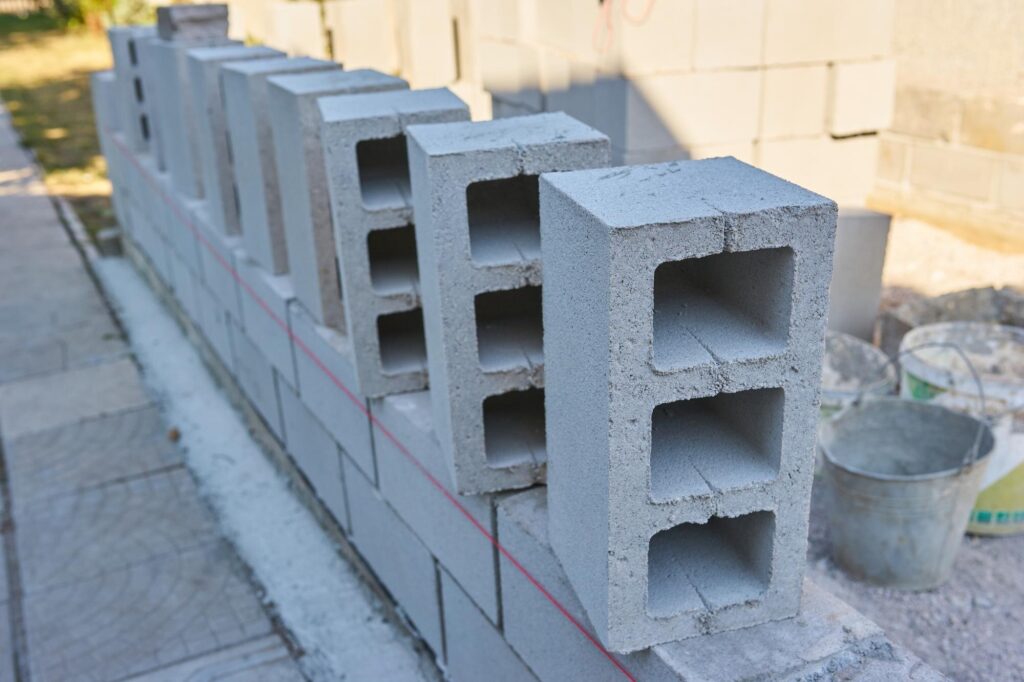
Speed, strength and consistency are more important than ever in the rapidly changing world of construction. Precast concrete is a building technique that perfectly meets these requirements. Whether it is residential houses, commercial centers or infrastructural developments, precast is changing the way structures are designed and constructed. At Walls and Dreams, this new method is important towards providing long lasting, efficient, and affordable building solutions.
This resource gives an overview of what precast concrete is, their operating principles, its different varieties, their benefits, and their applications in the real world – so that you can understand why precast construction has become a favourite in the contemporary world of building.
What Is Precast Concrete?
Precast concrete are those concrete elements that are produced in a secure factory setting and then brought to the construction site for assembly. Unlike traditional cast-in-place concrete, this technique enables the building elements to be dried under optimal conditions and then assembled at the site.
Precast concrete construction process guarantees consistency in quality, precision in size, and less on-site dependency. Walls and Dreams frequently incorporates this method to provide quicker project delivery dates without reducing the structural integrity.
Precast Concrete Construction Working
The process mainly involves the following stages:
- Design & Planning :- Structural elements are designed with precise measurements and load calculations.
- Mould Preparation :- Reusable moulds are prepared according to design specifications.
- Casting & Curing :- Concrete is poured, reinforced, and cured in a controlled setting.
- Transportation :- Finished components are safely moved to the site.
- Installation :- Elements are assembled using cranes and skilled coordination.
This streamlined approach significantly reduces uncertainties often associated with traditional construction methods.
Types of Precast Concrete
The knowledge about the types of precast concrete assists in choosing the most appropriate solution for various project requirements. The most commonly used forms are listed below:
1. Precast Walls & Panels
These panels are used as structural or non-structural parts and are frequently used in residential and commercial development. They also provide thermal performance, acoustical shielding and visual flexibility.
2. Precast Concrete Slabs
Floors, roofs, and decks are commonly made using precast concrete slabs. They have good load-bearing capacity along with uniform thickness thus suitable for multiple storey buildings and industrial areas.
3. Precast Beams & Columns
These elements play a crucial role in the framing process and are commonly used in large scale construction like warehouses, commercial complexes, etc.
4. Precast Concrete Steps
Precast concrete steps refer to factory-manufactured stair units that are used at houses, apartments, and commercial establishments. They guarantee uniform size, reduced installation time and long-term durability.
5. Precast Modular Units
These are pre-assembled structures that can be used to make rooms or entire buildings and are usually present in residential or institutional buildings.
Advantages of Precast Concrete
The advantages of precast concrete come across quality, speed, and sustainability; thus, making it a desirable product in contemporary construction.
1. Superior Quality Control
Mass production in factories guarantees consistent strength, finishing, and curing as there are less defects and variations.
2. Faster Construction Timelines
On-site assembly is much faster, thus projects can be finished in a shorter period of time which has significant value for time sensitive projects.
3. Cost Efficiency
Fewer labour requirements, low material wastage, and accelerated completion of projects are part of the total cost savings.
4. Enhanced Durability
Precast elements have a long-term structural integrity since they are weatherproof, non-corrosive and fire proof.
5. Design Flexibility
Precast systems facilitate a comprehensive variety of architectural designs, finishes and textures without any performance loss.
Applications of Precast Concrete in Construction
Precast concrete is very diversified and can be used in a variety of construction sectors:
Residential Construction
Modern housing projects increasingly use precast concrete house solutions for faster delivery and consistent quality. In many cases, a low cost precast concrete house becomes achievable due to reduced labour and material optimization, making it ideal for budget-conscious homeowners.
Commercial Buildings
The precast concrete building system gives the advantage of both speed and structural efficiency in the construction system of office complexes, shopping malls and hotels, so that the project can be completed on time.
Industrial Structures
The use of precast beams, columns and slabs in factories and warehouses provides large clear span and high load carrying capacities.
Infrastructure Projects
Precast entities are used in bridges, flyovers, drains, and utility structures to improve their durability and rapid construction.
Institutional and Public Buildings
The precast systems provide consistency and reliability to schools, hospitals and government buildings.
Precast Concrete vs Conventional Construction
Precast construction has greater predictability, less site congestion, and enhanced safety as compared to the traditional method of on-site casting. Projects become more manageable and effective when factors like weather or labour supply have less influence over their results.
Walls and Dreams capitalize on this strategy to provide cost effective construction services, which are in line with modern building standards and customer expectations.
Purpose of Precast Concrete in Sustainable Construction
Precast construction helps to achieve sustainability by:
- Minimizing on-site contamination and noise
- Reducing material wastage
- Better thermal performance to reduce energy usage
- Efficient utilization of building construction materials
Precast solutions are also becoming popular in eco-friendly development as sustainability becomes a main concern in the construction world.
Selection of the Right Construction Materials
For determining the strength, cost, and durability of a structure, selection of right construction materials is very important. Its design oriented performance and engineered consistency is what sets the precast concrete suitable for small scale residential construction and large scale commercial projects.
Why Walls and Dreams Uses Precast Solutions
At Walls and Dreams, the blending of modern construction technology and realistic approach is performed to deliver future-ready, durable, and efficient structures. With built-in precast systems where beneficial, the project features better control over quality, reduced timelines and improved costs, without sacrificing the structural integrity or aesthetics.
Conclusion
Precast concrete has revolutionized the construction industry as it offers a more intelligent, quicker, and predictable method of construction. It is a very important component of modern construction due to its versatility and efficiency whether used in residential or high-valued infrastructure construction. Given that precast concrete is associated with benefits such as durability, cost-effectiveness, sustainability, and design flexibility, it will further shape the future of construction. Precast construction is a viable and realistic process in the case of a project that needs accuracy, speed and long term gains.