
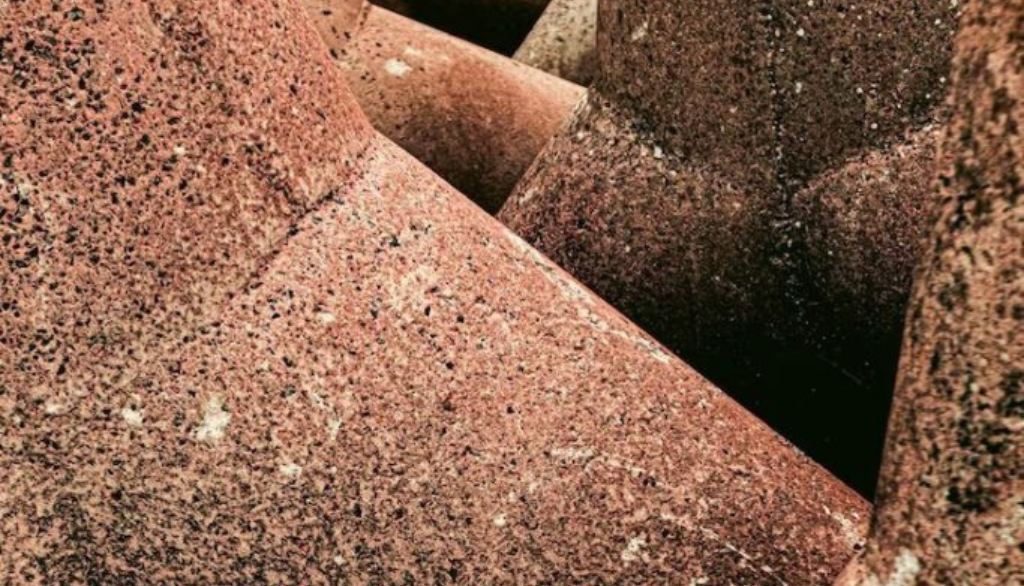
Quick answer: Burnt clay bricks are masonry units made by moulding natural clay, drying it and firing it in a furnace at high temperature. Firing makes them hard, fire resistant and weather resistant. They are sorted into first, second and third class by shape, strength and surface, and are used for walls, boundary walls, partitions and exposed brickwork.
The use of burnt clay bricks dates back centuries and even today, these bricks continue to be among the most reliable building materials used in residential, commercial and industrial building construction. Their popularity is not a mere coincidence – these bricks are durable, thermally comfortable, strong, naturally aesthetical, and blend perfectly in both modern and traditional buildings.
At Walls and Dreams, we normally suggest brick-based masonry to homeowners who want long lasting reliability and structural support, but without losing cost reduction. Whether you are constructing a new house, remodelling an old area, or looking forward towards creating boundary walls and landscape, knowledge about burnt clay brick properties and its application will help you make informed decisions about the construction process.
In this blog, we will discuss the most important properties of burnt clay bricks, how they are manufactured in a detailed manner, major types of bricks available in the market, and the areas where these bricks can be significantly used.
What Are Burnt Clay Bricks?
Burnt clay bricks are those types of masonry units that are produced by molding, drying and firing of natural clay at high temperature in furnaces. The firing is used to convert raw clay into a hard and strong building substance which can resist pressure, exposure to weather and the passage of time.
These bricks are normally utilized in construction of walls, partitions, foundations (in particular instances), and ornamental finishing of walls in most of the Indian construction projects. Their popularity among most builders and architects is due to their wide availability and stable operation.
Key Properties of Burnt Clay Bricks
Burnt clay bricks are highly recognized not only for their traditional beauty but also for their technical performance. Their main properties are listed below:
1. Strength and Load-Bearing Capacity
Good quality bricks possess high compressive strength, which is required in load bearing walls. Although the length of strength varies depending on the grade and manufacturing capabilities, still most standard masonry construction uses properly fired bricks.
2. Durability & Weather Proofing
Burnt clay bricks are resistant to precipitation, high temperature, and seasonal changes. Brick masonry structures when applied with appropriate mix of mortar and proper curing can withstand decades without substantial decay.
3. Thermal Insulation
Brick walls provide efficient thermal comfort by minimizing the flow of heat. It signifies that the inside will be cooler in summer and warmer in winter which is also valuable for the varying weather of India.
4. Fire Resistance
As these bricks are fired in furnaces, they automatically withstand fire and are non-combustible. This provides additional protection to both residential and commercial buildings.
5. Sound Insulation
In comparison to thinner wall materials, brick masonry provides good sound reduction. This is particularly usable in the urban houses that are close to the roads, markets, or business localities.
6. Water Absorption
The quality of a brick is directly proportional to its capacity of absorbing water. Inappropriate absorption may result in efflorescence, dampness and short life of the wall. This is why selection of appropriate grades is crucial.
Burnt Clay Bricks Manufacturing Procedure
The quality of the bricks can be determined by the manufacturing process. Bricks made through a controlled process were uniform, strong and dependable.
1. Preparation of Clay
The crude clay is gathered and washed to take out the stones, roots and other undesirable materials. They are then mixed with water until they form a workable paste.
2. Moulding
The clay paste is shaped into bricks using either:
- Hand moulding (traditional method)
- Machine moulding (modern method for higher uniformity)
Moulding must ensure consistent brick size and sharp edges, which makes masonry alignment easier and improves wall finish.
3. Drying
Newly cast bricks are wet and have to be dried before firing. Drying is normally performed in the open air under shade for a large number of days. This measure helps in avoiding cracks and distortion during furnace firing.
4. Burning/Firing
This stage is the most crucial stage. The dried bricks are loaded in furnaces and baked at high temperature. Proper firing ensures bricks become:
- Hard and strong
- Resistive to moisture and weather
- Durable
This step is the centre of the clay brick production process, as it determines whether the bricks are of first-class, second-class or over/under-burnt.
5. Cooling and Sorting
After firing, bricks are allowed to cool naturally. They are then sorted based on:
- Shape and size uniformity
- Strength
- Color consistency
- Surface finish
Only properly burnt bricks are selected for structural masonry.
Types of Burnt Clay Bricks
Not all bricks are the same. Wall strength, finishing and the overall quality of construction depend on the kind of bricks used.
1. First-Class Bricks
These are high-quality bricks:
- Uniform shape
- Smooth surface
- High strength
- Low water absorption
They are ideal for important structural work and exposed brick finishes.
2. Second-Class Bricks
These are slightly irregular and may have minor surface roughness. They are still used widely in construction where plastering is planned.
3. Third-Class Bricks
These bricks are generally softer and not as durable. They are typically used for temporary structures.
4. Over-Burnt Bricks
Over-fired bricks become brittle and may distort in shape. They are however, occasionally smashed into aggregates for roadwork or concrete mixes.
The burnt clay brick types usually come up when builders are choosing the appropriate category for their brickwork whether it is plastered, exposed or load-bearing.
Common Burnt Clay Bricks Used in Construction
Common burnt clay bricks are mostly used at Indian construction sites since they strike a balance between price, performance and availability. They are generally used for:
- Residential wall masonry
- Boundary walls
- Staircase walls and service shaft
- Internal partitions
During bricks selection, quality tests like stiffness, soundness (ringing sound when struck) and absorption tests should be taken into consideration to prevent maintenance problems in the long-term.
Applications of Burnt Clay Bricks
Burnt clay bricks are incredibly versatile. Their applications go far beyond basic wall construction.
1. Load-Bearing and Partition Walls
Bricks are widely used for both structural and non-structural walls. For partition walls, bricks provide better sound insulation and strength than lightweight alternatives.
2. Boundary Walls
Brick boundary walls are durable and offer better resistance against wind and weather than many low-cost fencing solutions.
3. Foundations (Limited Use Cases)
In some small structures and low-rise construction, bricks may be used in foundation masonry, provided soil conditions and moisture exposure are properly addressed.
4. Exposed Brick Architecture
Exposed brick finishes are increasingly becoming popular in modern homes as they provide luxurious, natural and classic appearance. It is widely used in feature walls, elevations and landscape features.
5. Paving and Landscaping
Bricks are also used for:
- Garden pathways
- Outdoor seating areas
- Courtyards
- Driveway edges
6. Fireplaces and Heat-Resistant Areas
Although specialized refractory bricks are suggested in high temperature areas, ordinary bricks are employed in moderate temperature zones based on the design requirement of the project.
In everyday building terms the units are also known as burnt bricks, and their extensive service indicates their dependability in nearly all kinds of building project.
How to Select the Correct Burnt Clay Bricks for Your Project
These are some of the professional recommendations you should consider before ordering final bricks for your home or site:
- Select same size and shape of bricks to achieve improved alignment of masonry
- Bricks with cracks, holes or improper sides should be avoided
- Make sure that the bricks have a distinct ringing sound when they are hit
- Check for excessive powdery surface (can indicate poor burning)
- Prefer tested and graded suppliers for consistent quality
At Walls and Dreams, we always advise on choosing the bricks not on the basis of price but according to the performance and appropriateness of your project.
Conclusion
Burnt clay bricks are still among the leading materials in building because of their strength, durability, insulation features and low cost. When properly made and selectively chosen, they produce walls which last decades, and perform to the fullest under Indian climatic conditions. In case you intend to construct a new house or remodel an existing house, and want to get professional advice on the appropriate choice of burnt clay bricks and other building materials, Walls and Dreams can make your place smarter, stronger, and future-ready.
Frequently asked questions
What are burnt clay bricks?
Burnt clay bricks are masonry units made by moulding natural clay, drying it and firing it in a furnace. The firing turns soft clay into a hard unit that resists pressure, weather and fire. They are also called burnt bricks or common clay bricks.
How are burnt clay bricks made?
Clay is dug, cleaned of stones and roots, and mixed with water into a paste. It is moulded by hand or machine, dried in shade, fired in a furnace, then cooled and sorted by size, strength, colour and surface finish.
What are the classes of burnt clay bricks?
First-class bricks are uniform, smooth, strong and low in water absorption. Second-class bricks are slightly irregular and are used where the wall will be plastered. Third-class bricks are softer and suit temporary structures. Over-burnt bricks are brittle and are usually crushed for aggregate.
How do I check brick quality before buying?
Pick bricks of the same size and shape, with no cracks or holes. Strike two together and listen for a clear ringing sound. Reject bricks with a powdery surface, which can mean poor burning. Prefer a tested, graded supplier and check water absorption.
Can burnt clay bricks be used in foundations?
In small, low-rise structures, bricks may be used in foundation masonry, provided the soil conditions and moisture exposure are properly handled. For anything larger, the foundation type should come from a structural engineer based on the soil.