
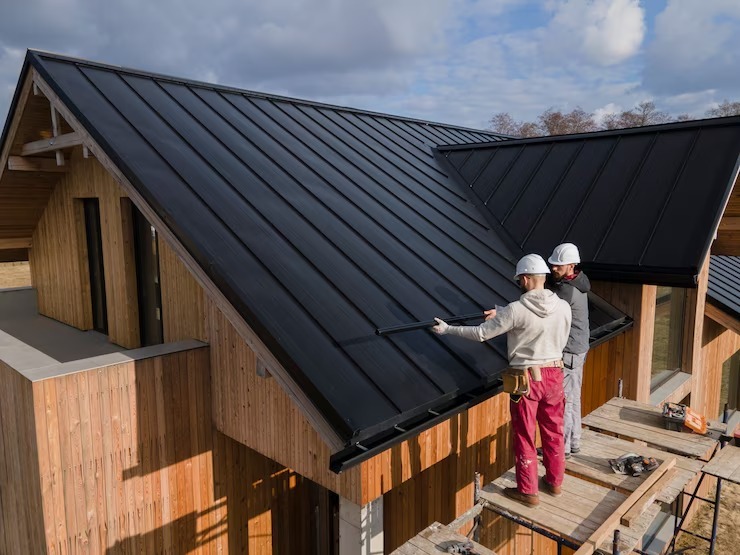
Quick answer: A strong roof comes from six things done in order: a design that suits the climate and structure, durable materials, a sound structural frame, proper waterproofing, planned drainage and, where possible, energy-saving finishes. Poor structural planning and missing waterproofing are the usual reasons roofs fail, so plan both at the start.
A roof is not only a structural aspect, but also the first defense line of your home against weather, temperature variations and long-term damages. Regardless of whether you are constructing a new house or renovating an old one, it is imperative to get the roofing process correct. At Walls and Dreams, we know the importance of having a long-lasting and properly-built roof in terms of safety and sustainability of your home.
In case you have been looking for home builders that can help you through the process, this professionally supported guide simplifies the whole thing into 6 easy steps to follow. Inspired by insights of industry leaders, you will also learn about selecting the right materials, techniques and professionals.
Why does a strong roof matter?
Before diving into the steps, following are the reasons why it is non-negotiable to pay attention to roof construction:
- Guarantees rain, heat and severe weather protection
- Enhances energy conservation and insulation
- Raises property value and longevity
- Minimizes the maintenance expenses incurred over time
- Improves the beauty of your house
Even the best professionals such as construction home builders all point out that when quality is compromised in roofing it may cause more repair cost in the future.
Step 1: How do you choose the right roof design?
Your roof design determines both strength and functionality.
Key Considerations:
- Climate conditions in your area
- Type of house (independent, duplex, villa)
- Load-bearing capacity of the structure
- Future expansion possibilities
Popular Roof Types:
- Flat roofs (common in urban India)
- Combination roofs (modern and aesthetic)
- Sloped roofs (ideal for heavy rainfall areas)
The designs suggested by experienced custom home builders usually provide the balance between durability and modernity.
Step 2: Which materials make a strong roof?
Materials play a significant role in determining your roof strength.
Common Roofing Materials:
- Clay tiles
- Reinforced Cement Concrete
- Asphalt shingles
- Metal sheets
Expert Tips:
- Check weather resistance and lifespan
- Always prioritize durability over cost
- Ensure compatibility with your home structure
The biggest mistake that numerous homeowners who are in search of low cost home builders near me make is to compromise on material. Although budget is important, quality cannot be compromised.
Step 3: How do you get structural strength?
A strong roof requires a solid structural framework.
Core Components:
- Beams and columns
- Reinforcement bars (steel)
- Proper load distribution system
What Experts Suggest:
- Use high-grade steel for reinforcement
- Ensure proper curing of concrete
- Follow engineering-approved designs
According to leading builders in Delhi, one of the biggest reasons behind roof failure is poor structural planning.
Step 4: How should a roof be waterproofed?
Water damage is the biggest enemy of any roof.
Waterproofing Techniques:
- Bitumen coating
- Cementitious waterproofing
- Liquid waterproof membranes
Benefits:
- Increases roof lifespan
- Prevents leakage and seepage
- Protects interior walls and ceilings
Even the best home builders agree that waterproofing is not optional—it’s essential for long-term durability.
Step 5: How do you plan roof drainage?
Without proper drainage, even the strongest roof can fail.
Drainage Essentials:
- Proper slope for water flow
- High-quality drainage pipes
- Regular outlet maintenance
Avoid These Mistakes:
- Flat surfaces without slope
- Blocked drainage outlets
- Poor pipe installation
Most of the time homeowners turn towards builders near me to seek advice on drainage systems, yet it is much better to plan it at the start rather than fixing it later.
Step 6: Can a roof save energy?
Contemporary houses are moving towards environmentally-friendly options.
Green Roofing Options:
- Reflective coatings for heat reduction
- Solar panel integration
- Rooftop gardens
Advantages:
- Saves on electricity bills
- Reduced environmental impact
- Improved indoor temperature regulation
This is the place where green home builders stand apart, providing solutions that can have both sustainability and durability.
Extra tips for a roof that lasts
To ensure your roof can withstand the test of time, consider the following extra points:
- Always employ experienced individuals
- Carry out periodic post construction checks
- Work with reliable suppliers and certified material
- Do not make last-minute design changes
- Proper construction documentation must be maintained
At Walls and Dreams, all these practices are combined in every project so that your home receives the power and quality it is worthy of.
What roofing mistakes should you avoid?
Despite all the good intentions, homeowners tend to make easily preventable mistakes:
- Choosing low-cost materials without research
- Ignoring waterproofing layers
- Hiring inexperienced contractors
- Skipping structural checks
- Poor ventilation planning
By hiring experienced professionals such as Walls and Dreams, you will prevent these mistakes and have a smooth construction process.
How do you choose the right home builder?
Identifying the right experts could make all the difference.
What to Look For:
- Proven experience in residential construction
- Transparent pricing and contracts
- Strong portfolio of completed projects
- Use of modern technology and techniques
- Positive client reviews
Regardless of whether you are looking for low cost home builders near me or high-end services, focus on quality, transparency and experience in the first place.
Why Walls and Dreams is the Right Choice
Walls and Dreams has established a reputation of providing good, solid and beautiful houses.
What Sets Us Apart:
- Turnkey construction services
- Pay attention to quality materials and performance
- Open communication at all levels
- Different designs based on personal preferences
- Dedication to on time project completion
We blend the experience of custom home builders with the creativity of modern construction methods to provide homes that pass the test of time.
Conclusion
Constructing a good roof is not only about materials but also about proper design, professional work and attention to detail across all phases. By following these 6 important steps, you can be assured that your home is safe, durable and efficient for years coming by. Under the supervision of professionals like Walls and Dreams, your dream house will become a reality which is constructed on strength, trust and long-term value.
Roof type decides a lot, so read the guide to sloping roofs and how to choose roofing sheets. For other options see asphalt shingles for roofing and low-cost simple rooftop design. If you are building in Noida, see our construction company in Noida page. Owners who search for build home construction services should compare written specifications rather than per sq ft rates alone.
Frequently asked questions
Which roof type is best for heavy rainfall?
Sloped roofs are the type this guide suggests for areas with heavy rainfall. Flat roofs are common in urban India, and combination roofs are a modern option. Climate, house type and the load the structure can carry should decide the choice.
What materials are used for roofing?
The guide lists clay tiles, reinforced cement concrete, asphalt shingles and metal sheets. Check weather resistance and lifespan, put durability ahead of cost, and make sure the material suits the structure of your home.
How do you waterproof a roof?
Common methods are bitumen coating, cementitious waterproofing and liquid waterproof membranes. Waterproofing extends roof life, prevents leakage and seepage, and protects interior walls and ceilings.
Why does roof drainage matter?
Without proper drainage even a strong roof can fail. Give the surface a proper slope, use good quality drainage pipes, install them correctly and keep outlets clear. Avoid flat surfaces without slope and blocked outlets.
What roofing mistakes should I avoid?
Choosing low-cost materials without research, ignoring waterproofing layers, hiring inexperienced contractors, skipping structural checks and poor ventilation planning. These are the five mistakes the post lists.