
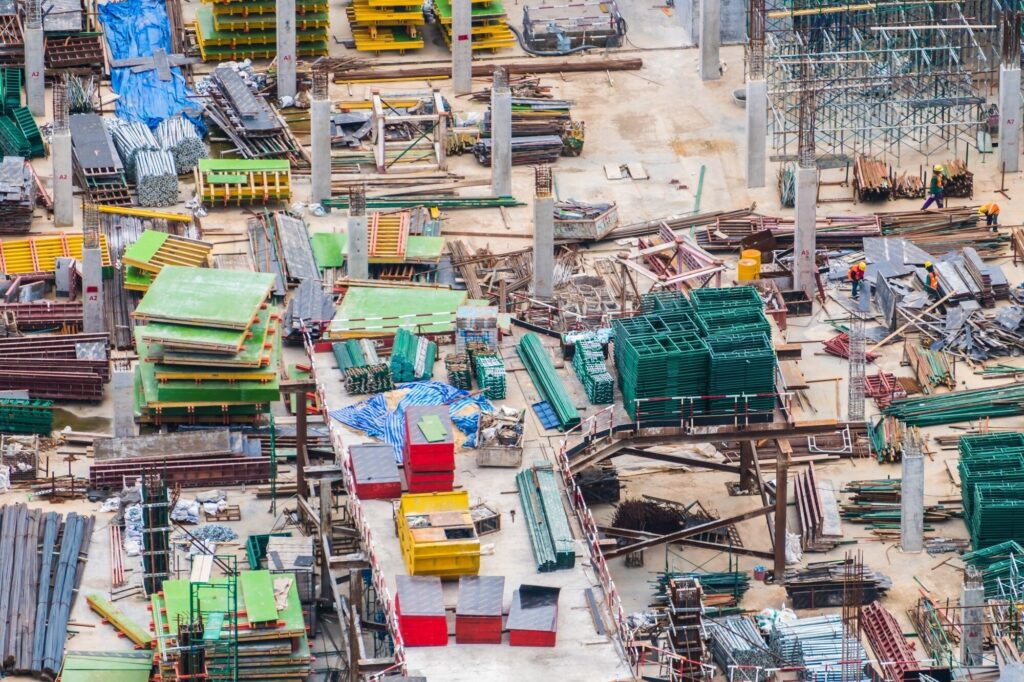
When we discuss building a solid, stable and beautiful building, use of quality material is what is considered first. Any residential, commercial, or renovation project depends on whether the right materials are selected to do the right job or not. The building materials chosen from foundation to completion determine the durability, security, comfort and maintenance for a long time.
At Walls and Dreams, we believe that a planned construction project begins with a proper understanding of materials because wrong construction material choices can lead to cracks, leakage, high repair costs, and even structural risks. That’s why this guide focuses on the most widely-used building materials and their contributions to the quality of construction.
In this blog we will discuss the 10 most significant materials that are used in construction and also guide you about how to plan the materials needed intelligently.
Why Choosing the Right Building Material Matters
An important thing to know before choosing materials is that construction does not only entail choosing what is available for purchasing. A smart material selection ensures:
- Better strength and load-bearing capacity
- Longer life span of the structure
- Improved resistance to weather and moisture
- Reduced maintenance and repair cost
- Better energy efficiency and comfort
- Enhanced appearance and finishing quality
Put concisely, appropriate materials will make the building safe, strong and valuable over decades.
1. Cement
One of the most necessary materials in building construction is cement that serves as a binding agent. It is applied in concrete, plastering, brickwork, and flooring. Cement has a significant effect over the strength of structural elements such as beams, slabs, and columns.
Ordinary Portland Cement & Portland Pozzolana Cement are common types of cement. The selection is entirely based on structural requirements, climatic conditions and budget.
2. Bricks
Construction with bricks can be traced back to centuries. They have gained popularity because of their availability, cheapness and high compressive strength. Walls, partitions, and boundary structures are commonly constructed with bricks.
Modern construction uses different brick types such as:
- Red clay bricks
- Fly ash bricks
- AAC blocks (lightweight alternative)
Fly ash bricks and AAC blocks are being used because of their uniform shape, quick workability and enhanced thermal insulation.
3. Concrete
The modern structure is constructed using concrete. It is prepared by mixing cement, sand and aggregates with water. It offers great strength, durability and versatility.
Concrete is used in:
- Foundations
- Columns and beams
- Slabs and roofing
- Staircases
- Driveways
Various grades of concrete are employed depending upon structure demands like M20, M25 and above.
4. Steel
Reinforced Cement Concrete mainly uses steel as reinforcement. It enhances the tensile strength and eliminates load cracking. Steel is used in beams, columns, slabs, lintels and even structural frameworks for high-rise structures.
Common steel types include:
- TMT bars
- Mild steel
- Structural steel sections
A good steel selection ensures structural stability and earthquake resistance.
5. Sand
Sand is a vital element of concrete and mortar. It is used for plastering, masonry and flooring works. Sand helps provide binding strength and smooth finishing.
The most common types of sand that are used for construction are:
- Manufactured sand or M-sand
- River sand
Due to scarcity and environmental restrictions, M-sand is gaining a lot of popularity because of its consistent quality while reducing the dependence on river resources.
6. Aggregates
Aggregates constitute a major volume of concrete while contributing to its compressive strength. They include coarse aggregates (20mm, 10mm stone) and fine aggregates (sand).
Aggregates are used in:
- RCC works
- Road construction
- Pavements and flooring
- Drainage systems
High-quality aggregates reduce voids and improve the durability of the structure.
7. Glass
Glass has a significant contribution in contemporary architecture design. It is applied on windows, facades, partitions, skylights, and decoration. Glass enhances natural lighting and offers buildings a contemporary look.
Types of glass used in construction includes:
- Clear glass
- Toughened glass
- Laminated glass
- Frosted glass
Tinted and double-glazed glass is employed in energy-efficient buildings to regulate the amount of heat generated while enhancing insulation.
8. Wood
Doors, windows, furniture and interior finishing mainly uses wood. In certain areas, timber is also applied in roofing and temporary formwork (shuttering).
Teak, sal, pine, and engineered wood products are some of the commonly used wood types. Timber must always be treated against termites and moisture to increase the durability.
9. Tiles & Flooring Materials
Flooring is not only about aesthetics but also about practicality and convenience. Tiles are frequently employed in flooring, kitchen, bathrooms and outdoors areas.
Some common flooring material used is:
- Vitrified tiles
- Wooden flooring
- Ceramic tiles
- Anti-skid tiles
- Marble and granite
The selection of the most suitable flooring material is determined by usage, finances, and climate of an area.
10. Paints and Finishing Materials
Finishing materials cover the building while adding beauty to it. One of the most widely used finishing materials for interior and exterior surfaces is paint.
Finishing material shall consist of
- Interior wall putty
- Primer
- Emulsion paints
- Waterproof exterior coatings
- Texture paints
Fine finishing minimizes dampness problems and enhances aesthetic value of a building.
Understanding the Material Planning Process
One of the biggest mistakes that many homeowners have made is purchasing materials without proper estimation. This causes wastage, inadequacy and higher project cost.
This is why specialists suggest composing a correct estimation and planning checklist by applying a building materials calculator construction strategy. It aids in computing the necessary proportions of cement, sand, bricks, steel, and other necessities depending upon built-up area.
When undertaking a construction project at home, you must always have a well arranged building materials list to avoid confusion and do things without any problem.
Common Building Materials List for Home Construction
For most residential projects, a building construction materials list generally includes:
- Cement
- Bricks / blocks
- Sand
- Aggregates
- Steel
- Plumbing pipes & fittings
- Wood
- Electrical wiring & switches
- Paint and putty
- Tiles and flooring materials
This list can be different depending on the design, budget and type of structure.
Selecting the Right Supplier For Construction Materials
Quality of materials does not just rely on the product itself, but also on where the item is purchased. Working with a reliable building construction materials supplier ensures:
- Adequate quantity and prompt delivery
- Genuine branded materials
- Competitive pricing
- Reduced risk of duplicates/substandard products
- Better project execution speed
At Walls and Dreams, we always recommend homeowners choose suppliers who provide quality certifications, transparent billing, and consistent availability.
Types of Building Materials Based on Function
In order to facilitate selection, you may divide the types of building materials under following categories:
- Structural materials:– cement, steel, concrete, bricks
- Ornamental materials:- wood, cladding, glass
- Finishing materials:- paint, tiles, putty
- Utility materials:- plumbing, wiring, insulation
This knowledge is useful in making smarter decisions during planning and purchasing.
Conclusion
Quality in construction relies on two factors; intelligent planning and proper materials. From cement and steel to perking tools like tiles and paints, each material has their own roles to play in determining how strong and beautiful your building will be. Regardless of whether you are building a house, remodeling a room, or developing a business establishment, knowledge about building materials names and their uses will save you a lot of money by preventing expensive mistakes. In case you have a construction project and want expert advice in the choice of materials, estimation, and executing, Walls and Dreams is the one who can help you build a project with confidence and clarity.