
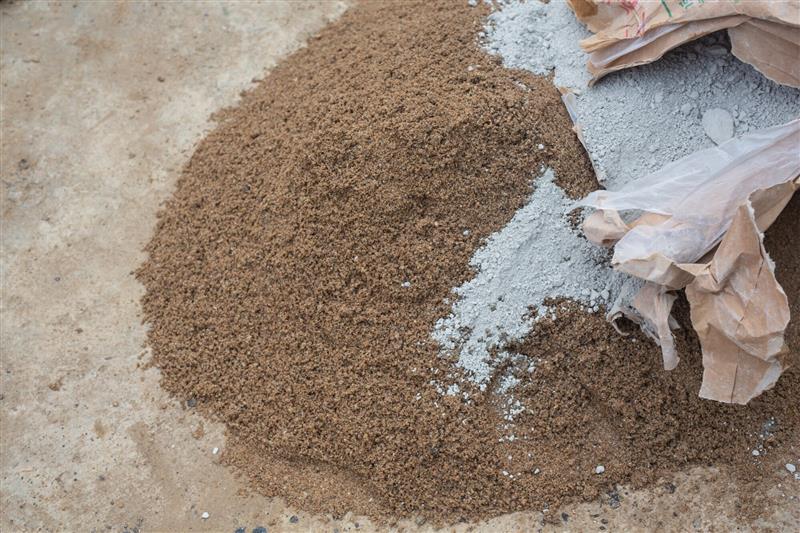
Whenever individuals consider home construction, most of them take design, layout, flooring and interiors into consideration. But the real strength of any house is where you don’t see – the foundation, structure and materials. Among all construction materials, cement is one of the most critical construction materials because it directly affects the durability, stability, and life of your home.
Selecting cement is not about purchasing the most popular product in the market. Different stages of construction require different properties of cement. From foundation work to plastering, from RCC slabs to waterproofing the cement used by you decides how well your structure will perform as time goes by. At Walls and Dreams, we’ve seen that the right choice of cement will reduce the manifestation of cracks, improve the quality of finishing and save the cost of repair over time.
In this blog, we’ll discuss the importance of cement selection, the factors that can influence the performance of cement, and how you can select the best cement for your house construction.
Why Selecting the Right Cement is Important in House Building
Cement acts as the binding agent between concrete, mortar, bricks, blocks and structural elements. If your cement quality is bad or if the wrong cement is used – your home could experience issues like:
- Hairline cracks on walls and ceilings
- Weak bonding in masonry work
- Reduced slab strength and early deterioration
- Water seepage due to poor waterproofing performance
- Higher maintenance cost within a few years
In simple terms, even the best architecture and design can fail if cement is not selected properly. That’s why choosing the right cement is not a “small decision”—it is a structural decision.
Cement Is Not One Product: It Has Many Types
Many homeowners assume that all cement types are the same. But in reality, various types of cements are produced for various construction conditions and requirements. Certain cements have high early strength, some are best suited for long term durability while some offer water-resistance which makes them suitable for coastal or moist areas.
The information regarding the various kinds of cement helps you connect the correct type of cement to the correct section of your building, resulting in enhanced performance and durability.
Major Factors Deciding the Cement Performance
Before deciding which type of cement to use, you need to know what makes cement fine for house construction in the first place. Following are the most important factors:
1. Strength Development
Certain cements gain strength rapidly (can be used like slabs or columns) while some gain strength in a very slow manner (suitable in the long-run). If you select the wrong kind of cement, you can have problems with curing or have low structural strength.
2. Heat of Hydration
During setting, cement produces heat. For large concrete pours like foundations, high heat can cause thermal cracks. Certain cement types are designed to reduce heat generation.
3. Resistance Against Moisture & Chemicals
Moisture and salts may dilute concrete especially in coastal or rainy areas. High-resistance cement will eliminate corrosion and structural damage.
4. Workability and Finish
Plastering and masonry require cement that provides smooth finishing and better bonding. Some cement types are specially designed for plaster and brickwork.
Types of Cement Used in House Construction
Let us take a look at the categories of cement that are usually used to make a home.
1. Ordinary Portland Cement
OPC is one of the most commonly used cements. It is characterized for its early strength and is frequently used in RCC works such as beams, columns and slabs.
Best for:
- RCC structures
- Columns and beams
- Slab casting
2. Portland Pozzolana Cement
PPC is made by blending pozzolanic materials like fly ash with cement. It is known for long-term strength, reduced heat of hydration, and better durability.
Best for:
- Masonry work
- Plastering
- Foundations
- General house construction
3. Portland Slag Cement (PSC)
PSC contains slag from steel industries and is excellent for moisture resistance and durability. It is particularly useful in seashores and highly humid locations.
Best for:
- Coastal construction
- High-moisture environments
- Structures requiring chemical resistance
Types of Cement in India and Where Each One Fits
Homeowners frequently inquire about the types of cement in India and which one would suit their house effectively. The solution depends on where you are, type of soil, construction level and water exposure.
This is an easy method of matching the cement type to use:
- Foundation: PPC / PSC (better durability, lower heat, better long-term strength)
- Columns and Slabs: OPC (high early strength for RCC)
- Brickwork: PPC (strong bonding, smoother workability)
- Plastering: PPC (better finishing, fewer cracks)
- Waterproofing areas (bathroom, terrace): PPC / special cement mixes with waterproofing additives
A smart home builder does not use one cement type for everything. They use cement strategically.
Why the Right Cement Creates a Strong Home
The purpose of selecting the right cement is not just “quality”—it is structural reliability. Here’s how cement choice impacts strength:
1. Optimized Load-Bearing Capacity
Strengths of beams, slabs, and columns are determined by the capacity of cement to hold together aggregates and steel reinforcements. Even with a correct mix ratio, improper cement may decrease the structural strength.
2. Reduced Cracks
Cracks are a result of shrinkage, thermal expansion and poor curing. Shrinkage and heat generation is influenced by the type of cement used. The correct choice of cement reduces the risk of cracking.
3. Higher Durability
A home should last decades. Cement is very resistant to moisture, sulfates, and other environmental factors making your house very strong in the long run.
4. Better Bonding
Well bonded brickwork and plaster make walls stand firm and smooth without flaking or separation.
That’s why using strong cement is not just a matter of compressive strength number, but rather the type of cement used in a particular construction activity.
Common Mistakes Homeowners Make While Buying Cement
These mistakes can be made even by the well-informed homeowners:
1. Choosing Cement Only Based on Brand
Brand is important, but cement type is more important. No matter how good a brand is, using the wrong cement type at the wrong place can cause structural damage.
2. Ignoring Storage Conditions
Moisture is rapidly absorbed by cement. Cement quality can be compromised because of improper storage. Cement should be stored in dry conditions and utilized within a recommended time.
3. Not Checking Manufacturing Date
Fresh cement performs better. Old cement may have reduced binding capacity and can lead to weak concrete.
4. Not Consulting a Professional
Home building doesn’t correspond to trial and error. The choice of cement should be directed by engineers and skilled contractors who know about soil, load demand, and climatic conditions.
How Walls and Dreams Helps You Choose the Right Cement
At Walls and Dreams, we don’t treat cement as a routine purchase. We treat it as a technical decision. Our expert engineers evaluate:
- Structural requirements
- Site soil conditions
- Water exposure levels
- Construction stage needs
- Weather and curing conditions
Whether your structure is a small house or an expensive villa, it is vital to find the appropriate cement for long-term performance. Our team guarantees that you use the correct type of cement at the correct stage, making sure that your home has durability, crack resistance and structural soundness as time goes by.In case you are intending to do home construction, it is preferable to hire a reliable home construction company like Walls and Dreams in order to avoid costly errors in materials that affect the safety and strength of your home.
Conclusion
A house is not just a mere structure, it is a lifetime investment. Selecting the right type of cement improves strength, reduces cracks, maximizes longevity and ensures that your building is not affected by wear and tear in the long run. Rather than comparing price and popularity before selecting cement, identify the purpose, compare choices and apply the correct cement at each construction phase. Under the professional guidance of Walls and Dreams, you are able to create a house that is not just a masterpiece but also has structural soundness, safety and durability.