
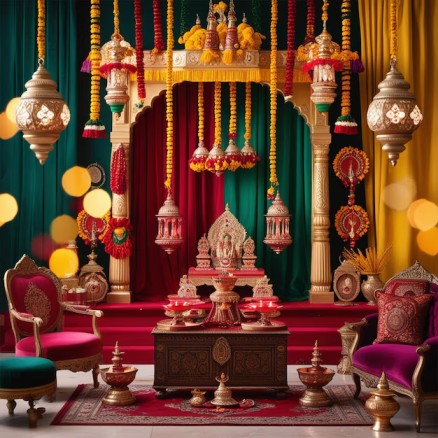
Quick answer: Vastu asks for a pooja room big enough to sit and move in without feeling cramped, with about 5 ft as the minimum side. Place it in the northeast of the house, keep idols at least six inches above the floor and a few inches away from the wall, and use light colours such as white or pale yellow.
A pooja room is planned like any other room in the house: it needs a fixed place on the plan, enough floor area and the right orientation. Vastu Shastra gives clear guidance on all three. This guide covers the size, direction, idol height, door, storage and colours, and what to do when the house has no room to spare.
What size should a pooja room be as per Vastu?
Vastu is more concerned with proportion than with one fixed measurement. The room should be large enough for a person to sit, stand and move around without feeling cramped, and its proportions should be regular. A square or a simple rectangle is preferred over an odd shape with cut corners.
As a working minimum, plan for about 5 ft. That gives space for the mandir or platform on one wall and for one or two people to sit facing it. A larger family that prays together needs more floor area, so fix the size around how many people will actually sit there, not around what is left over on the plan.
If you cannot give the pooja a separate room of this size, do not squeeze it into a leftover corner. A well-placed mandir unit is the better answer. See the section on small flats below.
Which direction is best for a pooja room?
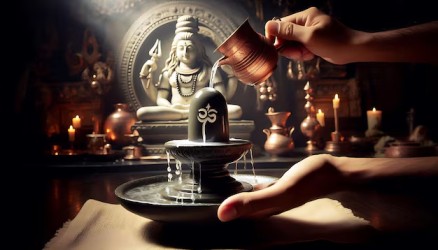
The northeast zone of the house is the first choice. It receives the morning sun and is treated in Vastu as the most positive part of the home. If the northeast is taken, the east and the north are also auspicious.
Three locations are usually avoided:
- Under a staircase: people walk over the space, and it is hard to light and ventilate.
- Next to a toilet: the pooja should not share a wall with a toilet or sit directly above or below one.
- Inside a bedroom: it is a private, closed room and not the right setting for daily worship.
Where should the pooja room go inside the house?
Choose a quiet part of the house. A corner of the living room or the kitchen works well, ideally the northeast corner, provided the spot has natural light and air movement. Avoid a position where the main door opens straight onto it or where people keep walking past during prayer.
Fix the location when the floor plan is being drawn. The pooja needs an electrical point, good ventilation and a clear wall, and all three are easier to provide on the drawing than after the walls are built.
How should idols be placed?
- Height: keep idols at least six inches above the ground, on a platform or shelf.
- Gap from the wall: place them a few inches away from the wall so that air and incense smoke can move around them.
- Facing: do not place idols directly facing each other.
- Above the idols: do not store anything over them. Keep the space above clear.
Ceiling, door and threshold
A low ceiling is preferred for the pooja room. A pyramid or gopura-shaped top over the mandir is traditional and is believed to promote positivity. In a room with a normal ceiling height, the same effect is achieved with a mandir unit that has its own shaped top.
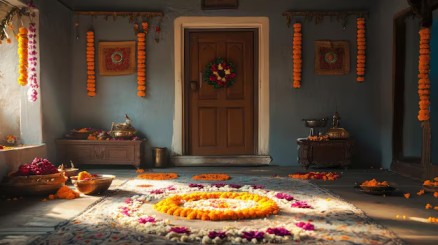
Give the entry a raised threshold and a door. A wooden pooja room door with two shutters that open outwards is the usual recommendation. It marks the space as separate, keeps it private and stops dust from settling on the idols.
Storage, lighting and colours
- Storage: keep pooja items in closed cabinets, ideally on the southeast side. Nothing should be stacked above the idols.
- Lighting: place the lamp stand in the southeast or the east. A soft, even light suits the room better than a single harsh fitting.
- Colours: white, light blue and pale yellow are considered auspicious and keep the room calm and bright.
- Accessories: keep only what is used: lamps, incense holders and brass items. A copper vessel filled with water is traditionally kept in the room and is believed to absorb negative energy.

What if there is no space for a separate pooja room?
Many flats and smaller houses cannot spare a full room. In that case a wall-mounted or floor-standing mandir unit does the same job, and the same rules apply to it:
- Put it in the northeast corner of the living room, or on the east or north wall.
- Keep the idols at least six inches above the base of the unit and clear of the back panel.
- Give it shutters so it can be closed when not in use.
- Do not hang a storage shelf or cabinet above it.
Practical points to plan during construction
These are not Vastu rules, but they decide how well the room works every day:
- Electrical point: provide a socket and a light point inside the mandir area so wires do not trail across the floor.
- Ventilation: lamps and incense produce smoke and heat. A window, a ventilator or a small exhaust keeps soot off the ceiling.
- Surface under the lamp: use stone or tile where the diya sits, not laminate or bare wood.
- Flooring: choose a finish that can be washed, such as marble or tile, because oil and flowers get spilt.
- Natural materials: wood, stone and brass suit the space and last longer than synthetic finishes near an open flame.
Common mistakes to avoid
- Fitting the pooja into whatever corner is left after the other rooms are planned.
- Placing idols on the floor or pushed flat against the wall.
- Building storage or a loft directly above the mandir.
- Using dark colours and one strong downlight, which makes a small room feel closed.
- Leaving out ventilation, so the ceiling blackens within a year.
- Filling the room with decorative items until there is no clean space left around the idols.
Related Vastu guides
The pooja room is one part of the overall plan. The centre of the house has its own rules, covered in our guide to the Brahmasthan in a home. For the entrance, see the main door Vastu tips, and for wall colours across the house, which colour is best for the home according to Vastu. If the mandir is going into a shared space, read the living room Vastu tips or the guide to a Vastu-friendly kitchen. Our interior design team builds pooja rooms and mandir units as part of home interiors.
Frequently asked questions
What is the minimum size of a pooja room as per Vastu?
Vastu does not fix one size, but the room should let you sit, stand and move without feeling cramped. About 5 ft is the working minimum for a separate room. If you cannot spare that, a mandir unit in the northeast of the living room is the better choice.
Which direction is best for a pooja room?
The northeast zone of the house is the first choice because it gets the morning sun. If the northeast is not available, the east or the north of the house is also considered auspicious.
How high should idols be placed in a pooja room?
Keep idols at least six inches above the floor and a few inches away from the wall. Do not place idols facing each other, and do not store anything on a shelf above them.
Which colour is best for a pooja room?
Light colours work best: white, light blue or pale yellow. They are considered auspicious, reflect lamp light well and keep a small room from feeling closed in. Avoid dark shades on the walls and ceiling.
Can the pooja room be in the living room or kitchen?
Yes. A quiet corner of the living room or kitchen is acceptable, ideally the northeast corner, as long as the spot gets air and light. Avoid a place under a staircase or against a toilet wall.
What type of door is best for a pooja room?
A wooden door with two shutters that open outwards is the traditional choice, along with a raised threshold at the entry. The door keeps the space private and keeps dust and pets away from the idols.