
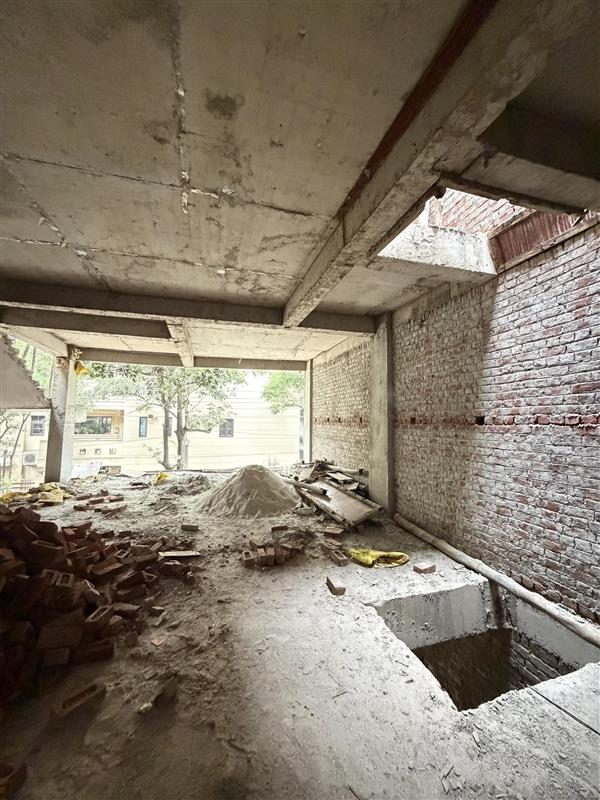
Quick answer: OTS means Open to Sky: an open courtyard, shaft or void inside a house with no roof over it, so daylight and fresh air reach the inner rooms. It suits small plots and narrow houses. It needs good drainage, waterproofing, careful placement and easy access for cleaning.
Design trends in new home construction are continuously changing to become more comfortable, sustainable, and attractive. OTS (Open to Sky) design is one of the innovations that have attracted enormous attention over the past few years. Regardless of whether you are designing a small house in the city or a high-end villa, incorporating an OTS house design can significantly help you in improving the living standards.
The open to sky house plan is a game changer for homeowners who want to achieve an ideal balance between the architecture, natural lighting, and ventilation. In this blog, we’ll explore the concept of OTS in detail, its role in house design and build, benefits, challenges, and practical applications in residential construction services.
What Is OTS in House Construction?
OTS (Open to Sky) can be defined as a vertical open space typically an inside courtyard, shaft or hollow that allows natural air and light to reach further into the house. Simply put, it is a space in your house which is connected straight to the sky, without any roof.
This idea is particularly applicable in modern house design and construction projects of urban houses where daylight and ventilation are constrained because of small plots or adjacent structures. The OTS house design also brings a cool spatial experience through openness, less reliance on artificial lighting, and healthier living environment.

Importance of OTS in Modern Home Architecture
The open to sky house plan has become a symbol of modern architectural innovation. The reasons, why it is significant for the new home construction projects of today, are the following:
- Optimizes Natural Light – OTS sights act as a source of natural skylight, which extends the sunlight to the interior spaces such as staircases, corridors, and even the bathrooms.
- Improves Air Quality – For enhancing air quality, which makes homes more comfortable and energy-efficient proper ventilation of open spaces is performed.
- Aesthetic Value – adding greenery or water features into the OTS area helps in creating a visual focal point, adding more beauty to the entire house.
- Energy Efficiency – OTS allows daylight and fresh air, thus minimizing the use of artificial cooling and lighting which helps in reducing the total energy expenses.
- Privacy with Openness – Unlike a balcony or terrace which allow others to peek into the inside, an OTS offers natural access while maintaining privacy.
Benefits of OTS House Design
1. Enhanced Comfort and Livability
An OTS house design creates a pleasant living environment by balancing temperature, light, and ventilation. The microclimate within your home stays comfortable even during extreme weather.
2. Healthier Indoor Spaces
The increased natural airflow reduces humidity and indoor pollutants. In residential construction services, this design approach is often used to support better physical and mental health for homeowners.
3. Adds Architectural Value
Homes with an open to sky house plan are often seen as premium designs that reflect sophistication. They create visual interest and increase property value.
4. Supports Sustainable Construction
OTS structures align perfectly with eco-friendly new home construction goals. They minimize the dependence on electrical lighting and mechanical ventilation systems.
5. Creates Multi-functional Spaces
The OTS space can be transformed into a green corner, a meditation spot, or even an indoor garden. It adds versatility to your house design and build approach.

Types of OTS Designs in Modern Homes
1. Central Courtyard OTS
This is a traditional yet timeless form of open to sky house plan, where the OTS is placed at the heart of the home. It acts as a natural light source and gathering space.
2. Side OTS Design
Ideal for narrow plots, side OTS structures improve cross ventilation and bring daylight to peripheral rooms.
3. Rear OTS
Ideal for privacy-conscious owners, the rear OTS provides access to light and ventilation in the rear part of the house without compromising security and exclusivity.
4. Staircase OTS
Common in vertical house design and build projects, this type of OTS is placed along staircases, providing natural light from top to bottom floors.
Difficulties in OTS Construction
Although OTS house designs are beautiful and practical, they still need planning:
- Waterproofing Problems: The open spaces which are prone to rain should be drained and covered with waterproofing.
- Privacy Controls: Although OTS is more transparent, it is expected to be located in a strategic position to avoid the chance of being overshadowed by the rest of the residential homes.
- Maintenance: Open shafts can be difficult to clean and maintain unless they are designed with easy accessibility.
- Structural Integrity: Incorporating OTS in a residential building service means that the distribution of loads and layout of the building should be balanced with skillful planning.
How to Plan an Effective Open to Sky House Plan
1. Identify the Right Location
In new home construction, choosing the perfect spot for OTS depends on the orientation, sunlight direction, and airflow. Architects usually recommend placing it where it can serve multiple interior zones.
2. Optimize Dimensions
A well-proportioned OTS ensures sufficient light and air circulation without compromising space utility.
3. Incorporate Greenery
Plantation of indoor trees or vertical gardens within the OTS area enhances the concept of natural ambiance and encourages the notion of sustainable house design and building.
4. Maintain Good Drainage
To avoid waterlogging during rains, so that the structure becomes more stable and durable, installation of a good drainage system is necessary.
5. Mingle Beauty with Performance
Lighting, tiles, and décor elements should complement the OTS layout, making it both visually appealing and purposeful.
The Role of Residential Construction Services in OTS Projects
Professional residential construction services play a vital role in turning an OTS vision into a practical design. These experts ensure structural safety, design harmony, and proper integration with other architectural features.
They use advanced software for 3D visualization, helping homeowners experience the open to sky house plan virtually before execution. Additionally, they address crucial factors like natural shading, ventilation optimization, and energy efficiency in every house design and build phase.
Inspiring Examples of OTS Integration
- Urban Courtyard Homes: Small houses in high-density spaces with OTS to access daylight and greenery.
- Luxury Villas: New high-end home construction projects with central OTS courtyards that have skylights or glass walls.
- Duplex Houses: Vertical gardens or indoor water bodies should be placed in the OTS area to improve beauty and tranquility.
These designs demonstrate the way in which OTS is going to reinvent the aesthetics and functionality of modern homes.
Conclusion
The use of OTS in house building is not just an architectural decision but a statement of life. It helps homeowners in uniting with the outer environment, improves the comfort indoors, and promotes eco-friendly living. Whether it is a small house that you are planning or a grand villa, the adoption of an open to sky house design will bring a lot of value in your house design and construction plans.
At Walls and Dreams we offer creative residential construction works to our clients, which integrate elements including beauty, functionality, and modern design. Our specialists will make sure that all of the OTS house designs are well-considered, stable, and customized according to your personal lifestyle. Your dream house needs light, air and openness and with OTS, you can see this dream come true.
Frequently asked questions
What does OTS mean in house construction?
OTS stands for Open to Sky. It is a vertical open space, such as a courtyard or shaft, with no roof above it. It connects part of the house directly to the sky so light and air can reach deeper inside.
What are the benefits of an OTS in a house?
It brings natural light to staircases, corridors and bathrooms, and improves airflow. That reduces the need for artificial lighting and cooling. It can also hold plants or a water feature and keep privacy better than a balcony.
What are the common types of OTS design?
Central courtyard OTS, side OTS for narrow plots, rear OTS for privacy, and staircase OTS that carries light down through the floors. The right choice depends on the plot, the orientation and which rooms need light.
What problems can an OTS cause?
Rainwater is the main one, so the floor needs proper drainage and waterproofing. Other issues are privacy from neighbouring homes, cleaning a narrow shaft, and balancing structural loads around the opening.
Where should the OTS be placed in the house plan?
Place it where it can serve several rooms, based on sunlight direction and airflow. Architects usually recommend a spot that lights more than one interior zone. Keep it accessible for cleaning and make sure water drains away.