
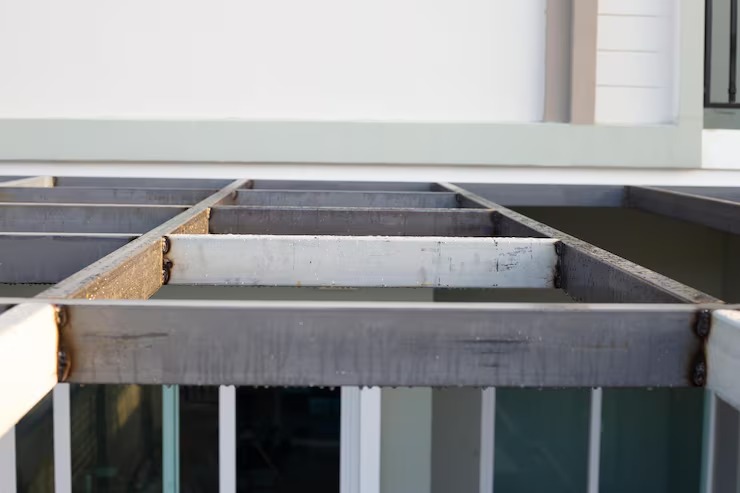
Quick answer: Lintel level is the stage in wall construction where horizontal beams, usually RCC, are cast over doors, windows and other openings. The lintel carries the wall above and passes its load to the masonry on both sides. In most homes it sits about 7 feet to 7.5 feet above finished floor level, but follow the approved drawings.
Constructing a strong and secure building demands thorough planning at every phase. From foundation work to roof casting, each level has a unique role in ensuring longevity and alignment. Among all this one of the most important stages is the lintel level. Most of the house owners query what is lintel level in construction as it is one of the main structural milestones during wall construction.
A lintel level refers to the horizontal structure that is placed above the doors, windows and other openings to hold the weight of the wall itself. It helps in shifting weight safely to the masonry surrounding it and prevents cracks around the openings. Be it construction of a residential house or a business property, learning the significance of lintel level can help you monitor project quality.
Walls and Dreams, a reliable construction company, always put emphasis on right lintel positioning as it directly influences safety, alignment and future finishing work. In this guide, we will give an explanation about lintel level, its purpose, kinds, basic height and functional advantages.
Understanding Lintel Level in Construction
The term lintel level in construction refers to the phase where horizontal beams are cast over openings such as doors and windows. These beams are commonly made of reinforced cement concrete (RCC), steel, wood or stone relying on the development kind and design needs.
When walls are constructed to the top height of door and window frames, shuttering is installed and concrete lintels are cast. After proper curing, construction can continue upward for the next wall portion. This develops a stable support system and avoids direct wall load from resting on the frames.
Lintel level is also considered a crucial checkpoint as it allows engineers to check wall alignment, dimensions and opening placements prior to proceeding further.
Why Lintel Level Is Important
Lintel level performs multiple structural and functional roles in any building project. It is not only about supporting masonry but also about improving long-term strength.
1. Supports Wall Load Above Openings
Doors and windows create empty spaces in walls. Without a lintel beam, the masonry above these openings may crack or collapse due to concentrated load.
2. Improves Structural Stability
A properly designed lintel ties wall sections together and distributes weight evenly across both sides.
3. Prevents Cracks
Openings are common weak points in buildings. Lintels reduce stress concentration and minimize crack formation.
4. Maintains Alignment
At the lintel stage, masons and engineers verify levels, line, and measurements before continuing upper wall work.
5. Assists Future Finishing
Electric conduits, sunshades, and window elements are often planned around the lintel level for smoother finishing.
Lintel Level in House Construction
In residential projects, lintel level in house construction is especially important because homes contain multiple doors, windows, balconies, and ventilation openings. Each opening must be properly supported to prevent future settlement or cracks.
Be it an independent house, villa or duplex, RCC lintels are the most common option. They offer longevity, weather proofing and strong load-bearing capacity. During house development, the lintel level phase is also a good time to check room dimensions, frame placements and ceiling planning.
Walls and Dreams uses modern methods and skilled supervision to ensure every lintel beam in house projects is placed accurately and cured correctly before the next stage begins.
Common Types of Lintels Used in Construction
Different projects may require different lintel materials depending on budget, span size, and design load.
1. RCC Lintel
This is the most popular option in modern buildings. Reinforced concrete lintels are strong, durable and appropriate for various residential and business buildings.
2. Steel Lintel
Steel lintels are used where heavy loads or longer spans are involved. They are common in industrial and commercial spaces.
3. Wooden Lintel
Traditionally used in old homes, wooden lintels are less common today because of termite risk and lower durability.
4. Stone Lintel
Used in heritage or stone masonry buildings where appearance and traditional design are priorities.
5. Brick Lintel
Suitable only for short spans and light loads. It is rarely used in modern structural work.
Standard Height of Lintel Level
Lintel level height varies depending on the size of door and window, the floor-to-floor height and the architectural design. Nonetheless, in most residential developments, lintel level is typically situated at a height of about 7 feet – 7.5 feet above finished floor level.
In case of larger doors or personalized elevations, the level can be different. Before finalizing dimensions, engineers determine beam depth, reinforcement and load needs. One should never practice guesswork and always follow approved drawings and structural suggestions.
Construction Process at Lintel Stage
The lintel casting process must be done carefully for strength and accuracy.
- Complete wall masonry up to required height
- Fix door and window frame positions
- Install shuttering around openings
- Place reinforcement bars as per design
- Pour concrete and compact properly
- Cure the lintel for required days
- Remove shuttering after gaining strength
- Continue wall construction above the beam
Professional construction services ensure this stage is completed without alignment errors or weak concrete.
Pitfalls to Prevent During Lintel Work
Many site issues happen because the lintel stage is rushed. Prevent these common mistakes:
Using Incorrect Reinforcement
Steel bars must match structural drawings for load capacity.
Poor Concrete Quality
Weak mix ratios can reduce beam strength.
Insufficient Bearing Length
Lintels need proper support on both wall sides.
Early Shuttering Removal
Removing supports too soon may cause sagging or cracks.
Overlooking Curing
Concrete must be cured adequately for strength development.
How Walls and Dreams Ensures Quality
Walls and Dreams believes every structural stage matters. During lintel execution, the team checks beam levels, steel placement, shuttering quality, concrete mix, and curing standards. This attention to detail assists customers get long-lasting and secure houses with better finishing quality.
Be it a new residence, renovation or multi-floor development, selection of professionals saves future repair expenses and delays.
Conclusion
One of the most significant stages of any building project is lintel level, as it reinforces openings, spreads the load in the walls and sustains the additional masonry work. From residential to commercial buildings, proper lintel design and implementation enhances life of the structure and decreases cracks. In case you’re planning a construction, you should collaborate with seasoned professionals such as Walls and Dreams who know the engineering standards and the quality implementation at each phase.
Frequently asked questions
What is lintel level in construction?
It is the stage where horizontal beams are cast over openings such as doors and windows, once the walls reach the top of the frames. After curing, wall construction continues above the beam. It is also a checkpoint to verify alignment and dimensions.
What is the standard height of a lintel level?
In most residential projects it is about 7 feet to 7.5 feet above finished floor level. It varies with door and window size, floor-to-floor height and design, so always follow approved drawings and structural advice.
What are the types of lintels?
RCC, steel, wooden, stone and brick lintels. RCC is the most common in modern buildings. Steel suits heavy loads and long spans, wood is rare because of termite risk, and brick suits only short spans and light loads.
Why is a lintel needed over a door or window?
Without it, the masonry above an opening may crack or collapse under concentrated load. A lintel carries that load to the walls on either side, reduces stress around the opening and helps prevent cracks.
What are the steps in casting a lintel?
Complete the masonry to the required height, fix the frames, install shuttering, place reinforcement as per design, pour and compact the concrete, cure it, remove the shuttering after it gains strength, then continue the wall above.
What mistakes should be avoided at lintel stage?
Wrong reinforcement, poor concrete quality, too little bearing length on the walls, removing shuttering too early and skipping proper curing. Any of these can cause sagging or cracks.