
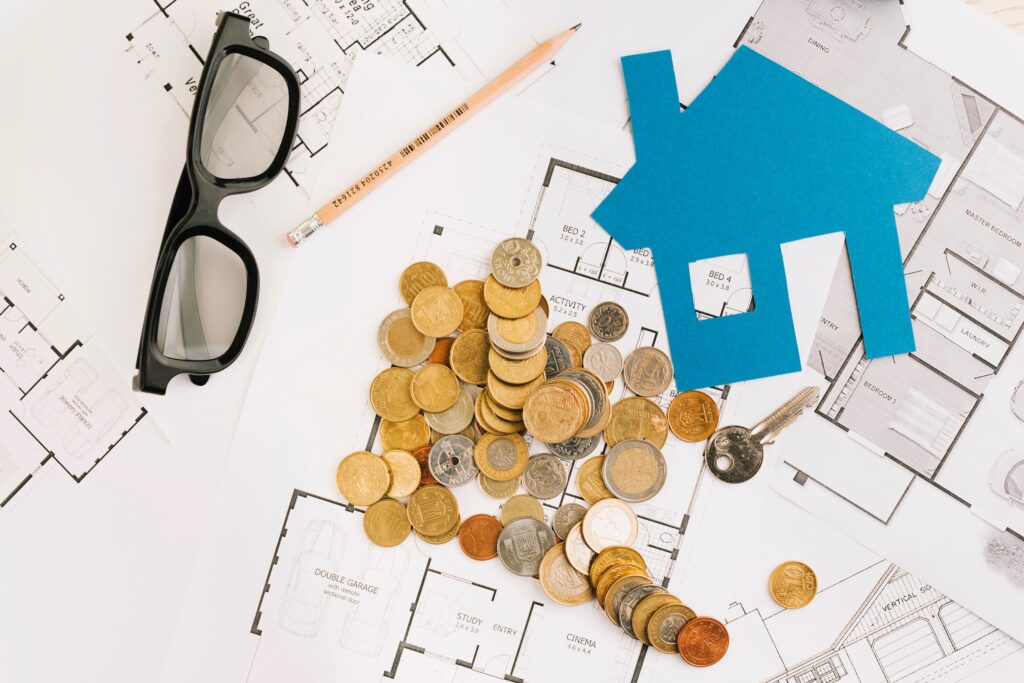
Quick answer: Hidden costs in house construction include soil testing and survey, design revisions, approval fees, material price swings, site logistics, wastage, finishing upgrades, extra electrical and plumbing points, furniture, external development, utility connections and early repairs. If not planned, they can push the budget up by 10–30%, so keep a contingency fund. The home renovation cost in India depends mostly on how much structure, plumbing and wiring has to be redone.
Constructing a house is one of the most thrilling events in life. It symbolizes years of dreams, planning and financial dedication. Nevertheless, the path from blueprint to final handover is often filled with unpredictable costs that may overstretch wallets and postpone schedules of many new homeowners. Although there are tools such as a home construction cost calculator or a house construction cost calculator that may provide a rough estimate, usually they don’t calculate the hidden costs that may occur during the construction process.
At Walls and Dreams, we trust in full openness and knowledgeable decision-making. Knowing about these hidden costs beforehand can save you a lot of planning, prevent cash strains and give you hassle-free construction. In this guide, we are going to reveal the most popular hidden charges that every new homeowner must be aware of before beginning any house construction.
Why Hidden Costs Matter in Home Construction
Most homeowners when planning their dream home are concerned with visible costs such as cost of land, raw materials, labour and architectural design. While these are essential, several indirect and overlooked charges can significantly impact the total home construction cost.
Hidden costs matter because:
- They can inflate your budget by 10–30% if not planned.
- They often arise suddenly, disrupting cash flow.
- They can lead to project delays if funds fall short.
- They may force design compromises mid-project.
Early knowledge of these costs gives it a financial readiness and avoids unpleasant surprises.
Hidden Costs You Should Expect in Construction
1) Soil Testing and Land Survey
Soil testing and land surveying are important to ensure safety and accurateness of design prior to the onset of construction. These tests are used to estimate foundation depth, bearing capacity of soil and drainage requirements.
Hidden factors include:
- Professional testing charges
- Multiple samples if soil quality varies
- Structural adjustments based on results
This is one of the costs you can never afford to skip, as it may cause very grave structural issues in the future.
2) Architectural and Structural Design Revisions
Although you can pay initial design costs as part of your contract, revisions can be charged separately. With construction underway, design modifications are usual as the homeowners get a better picture of their spaces.
Extra costs may arise from:
- Additional design consultations
- Structural recalculations
- Updated drawings for approvals
- 3D renders and walkthrough models
Even minor changes if performed more often would accumulate rapidly.
3) Legal and Approval Fees
Numerous approvals need to be obtained before construction. Numerous homeowners didn’t realize the time and money expended in this process.
These include:
- Building plan approval charges
- Environmental clearances
- Water and sewage connection fees
- Electricity load sanction charges
- Local municipal taxes
Any delay in approvals may also lead to labour downtime, which indirectly raises the costs.
4) Material Price Fluctuations
Material prices are rarely stable. Cement, steel, sand, bricks, tiles and wood are all prone to market fluctuations. Even the slightest price change may incredibly affect your total budget.
Key contributors:
- Transportation costs
- Government policies
- Seasonal demand
- Supply chain disruptions
The best way to handle this is early lock in of prices or setup of a contingency budget aside.
5) Site Logistics and Temporary Arrangements
Construction sites require temporary arrangements that are often overlooked. These include:
- Temporary electricity and water connections
- Labour accommodation
- On-site storage rooms
- Safety equipment and barricades
- Site security
Though individually small, together they form a notable expense.
6) Wastage and Excess Material
Material wastage is inevitable during construction. Inaccurate measurements, breakages, spillage and design changes are all elements that contribute to extra usage.
Common wastage areas:
- Electrical wiring
- Paint and polish
- Plumbing fixtures
- Tiles and flooring materials
Wastages can cause inflation of costs if not properly planned and monitored.
7) Interior Finishing Upgrades
A majority of homeowners start with standard finishing and upgrade halfway after they observe real life examples. Although upgrades enhance appearance, they are very costly.
Common upgrades include:
- Premium tiles and marble
- Modular kitchen fittings
- Designer wardrobes
- Smart lighting systems
- Imported bathroom fixtures
Any upgrade can appear minimal, but when added together, they can increase the final bill by lakhs.
8) Electrical & Plumbing Improvements
Most of the homeowners find that they need more sockets, switches, light points, water outlets and drainage lines after completion of wall construction.
Hidden charges arise from:
- Reworking internal wiring
- Additional conduits
- Extra fittings and accessories
- Labour for alterations
Anticipating them prevents last minute alterations and additional expenditure.
9) Furniture, Fixtures and Appliances
A home without basic furniture and appliances is not complete, even after possession. These expenses can be high and are usually underestimated.
Major items include:
- Beds, sofas and dining sets
- Modular wardrobes
- Water purifiers & geysers
- Curtains & shades
- Kitchen appliances
Incorporating them in your total budget makes it financially balanced.
10) External Development and Landscaping
Many budgets focus mainly on the building structure, ignoring the surrounding space. External development can include:
- Driveway paving
- Garden landscaping
- Boundary walls
- Main gates
- Outdoor lighting
These items are necessary for functionality and appearance yet may come as an unexpected added cost.
11) Utility Connection and Setup Fees
Installation of necessary utilities after completing the construction is not limited to applying connections.
These costs include:
- Security deposits
- Meter installation charges
- Internal wiring and piping adjustments
- Service activation fees
Delays in utility connections can also lead to extended rent or accommodation expenses elsewhere.
12) Maintenance and Initial Repairs
During the first year, homeowners may require some minor repairs and alterations. These include:
- Plumbing leaks
- Electrical corrections
- Tile replacements
- Paint touch-ups
With a small maintenance fund, one can solve these problems without any strain in their budget.
How to Budget Smartly and Avoid Cost Surprises
Use Accurate Planning Tools
While estimation tools like a home construction cost calculator and house construction cost calculator provide valuable baseline figures, always add a 10–20% contingency buffer. This helps cover unexpected expenses without disrupting your project.
Plan Everything Before Execution
Layouts, electrical points, plumbing paths, and interior finishes if properly planned would be of great benefit in reducing mid-construction modifications. The more you plan in the beginning the less surprises you will receive later.
Choose Transparent Construction Partners
An expert construction company such as Walls and Dreams will guarantee proper costs breakdown, specific quotation, and open billing. Such transparency enables house owners to plan without any surprises and save unnecessary expenses.
Insist on Detailed Contracts
Ensure your construction contract clearly defines:
- Scope of work
- Material specifications
- Labour charges
- Payment milestones
- Extra work policies
A well-drafted contract protects you from unexpected financial demands.
Why Homeowners Trust Walls and Dreams for Cost-Effective Construction
At Walls and Dreams, we know that a home is an emotional and financial experience. Our strategy is a combination of transparent pricing, careful planning and experienced implementation of ideas to make sure that there are no zero financial surprises for the homeowner.
We guide our clients through every construction process making them aware of every part of their budget while tending to anticipate every cost that might go unnoticed. By doing this we will ensure that your dream home is constructed with clarity, confidence and peace of mind.
Conclusion
Unexpected costs are an inevitable part of house construction, but it does not necessarily mean that they need to be a strain to finances. With prudent planning, free flow of information and expert guidance, the homeowners can manage these costs effectively. Knowing the actual size of your home construction cost, contingency planning, and incorporating with reliable partners like Walls and Dreams will help you achieve your vision of having a dream house, but without any stress and unwelcome financial surprises.
Frequently asked questions
What are the hidden costs of building a house?
Soil testing and survey, design revisions, legal and approval fees, material price changes, site logistics, wastage, finishing upgrades, extra electrical and plumbing work, furniture and appliances, external development, utility connections and first-year repairs.
How much can hidden costs add to the budget?
They can inflate the budget by 10–30% if they are not planned for. They also arise suddenly, disrupt cash flow and can delay the project if funds fall short.
Does a construction cost calculator include hidden costs?
Usually not. A home construction cost calculator gives a rough estimate of visible costs. Hidden charges that come up during construction are often left out.
What approval and legal fees should I expect?
Building plan approval charges, environmental clearances, water and sewage connection fees, electricity load sanction charges and local municipal taxes. Delays in approvals can also cause labour downtime.
How can I protect myself from material price changes?
Lock in prices early where possible, or set aside a contingency budget. Cement, steel, sand, bricks, tiles and wood are all subject to market changes.
How do I avoid cost surprises?
Use accurate planning tools, plan everything before execution, choose a transparent construction partner and insist on a detailed contract.