
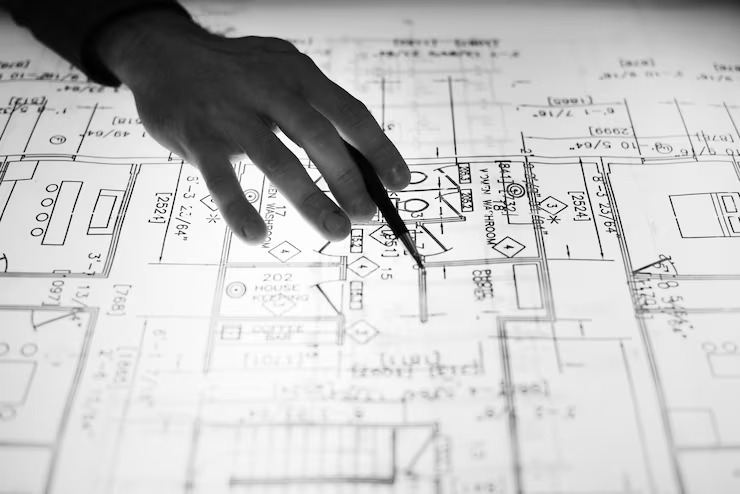
Quick answer: A circulation diagram is a drawing that shows how people move through a building: entry and exit points, routes, nodes and barriers. Architects use it to plan horizontal movement such as corridors, vertical movement such as stairs and lifts, and public, private and service routes, so the layout is clear, direct, safe and accessible.
In architecture, movement of people in space is equally important as the appearance of the space itself. Not only does a well-designed building look appealing, but also it is easy to walk through and feel comfortable and functional. It is at this point that a circulation diagram becomes important.
At Walls and Dreams, we are sure that an excellent design is not all about the appeal of the design, rather it is about making smooth experiences. Circulation planning makes all the movements in the building natural and efficient whether it is a home, office, or a business premise.
What is a circulation diagram in architecture?
A circulation diagram is a graphical diagram which depicts movement of people in a building or area. It draws out routes, routes, and links in between locations.
In a plain language, it provides the answer to questions such as:
- What is the access and exit of people to the building?
- What is their mode of movement between rooms?
- Are the avenues open and free?
A well-designed circulation architecture diagram assists architects in developing spaces that are friendly and easy to use.
Why does circulation matter in architectural design?
The functional design is supported by circulation. The most beautiful space may become uncomfortable when the movement in it is not planned.
Key reasons why circulation is important:
- Enhances comfort and usability
- Improves usability to everyone
- Reduces stress and confusion
- Establishes rational space between spaces
- Favors the safety and emergency movement
Whether you’re consulting architects near me or working with top design professionals, circulation planning is always a core part of the design process.
What are the types of circulation in architecture?
The knowledge of the various forms of circulation assists in creating the effective layout. Each of the types has its purpose, according to the purpose of the building.
1. Horizontal Circulation
This means horizontal movement within a building.
Examples include:
- Corridors
- Hallways
- Open-plan spaces
Horizontal circulation provides free flow of rooms and spaces within one floor.
2. Vertical Circulation
Vertical circulation entails movement across the levels of a building.
Common elements include:
- Staircases
- Elevators
- Ramps
Safety and accessibility would be guaranteed with proper planning particularly within multi-story buildings.
3. Public Circulation
There are public circulation areas that are free to all users.
These include:
Entrances
Lobbies
Reception areas
These areas need to be simple to move about and delineated.
4. Private Circulation
Only some users are allowed to access the private circulation.
Examples:
Bedrooms in homes
Staff-only areas in offices
This aids in privacy and security in the space.
5. Service Circulation
Maintenance, movement of staff or utilities are passed through service circulation.
Examples include:
- Back corridors
- Service lifts
- Utility pathways
This will make sure that the operations will not affect the public spaces.
What are the key elements of a circulation diagram?
A circulation diagram has a number of significant elements that are used to determine movement patterns.
These elements include:
- Entry and exit points
- Pathways and routes
- Nodes (interaction or transition points).
- Barriers or boundaries
- Directional flow
Just like a circulatory system diagram labeled, where blood flow is clearly mapped, architectural circulation diagrams show how people move efficiently within a structure.
What are the design principles for effective circulation?
Designing a workable circulation plan needs thorough thinking and design. These are the main principles to which professionals adhere.
1. Clarity and Simplicity
The flows must be simple to comprehend. There should not be confusion of users navigating a space.
- Never use unjustified complexity
- Use clear visual cues
- Make rational associations
2. Efficiency of Movement
Circulation Circulation must reduce travel time and distance.
- Short and direct routes
- Logical placement of rooms
- Close accessibility to commonly used places
3. Safety and Accessibility
Circulation design is extremely concerned with safety.
- Provide emergency exits
- Make sure that it is accessible to everyone
- Have non-slip surfaces and adequate lighting
4. Integration with Design
There must be a flow of circulation that is integrated in the over design.
- Staircases must be an addition to interiors
- The movement ought to be natural
- Do not interfere with the visual flow
I have been interacting with seasoned experts in architecture companies near me, and they combine both circulation planning and aesthetics to have a well-rounded design.
5. Adaptability and Flexibility
- Contemporary spaces need to be flexible
- Provide possibility of changes in future
- Planning the multi-functional pathways
- Adapt to changing user needs
What do architects do in circulation planning?
The architects are critical in developing efficient circulation systems. They make sure that there is smooth and efficient movement in the space despite scribbling on the paper to actual construction.
When working with an architect office near me, you can expect:
- Disaggregated circulation planning
- Space optimization measures
- Design solutions to the users
- Assimilation of safety standards
At Walls and Dreams adopt a creative yet practical philosophy that offers functional yet beautiful spaces.
What mistakes should you avoid in circulation design?
The slightest mistakes in the circulation planning may affect the overall user experience.
Avoid these common mistakes:
- Small or blocked passageways
- Inappropriate positions of entrances and exits
- Lack of clear direction
- Disregard needs of accessibility.
- Excessively complicated movement pathways.
These problems can be avoided with proper planning and professional expertise.
What are the benefits of a well-designed circulation diagram?
The circulation plan is an effective strategy, properly implemented and improves the functionality of a space.
Key benefits include:
- Improved user experience
- Better space utilization
- Increased security and availability.
- Enhanced aesthetic appeal
- Higher property value
Good circulation design whether it is a residential or commercial project can guarantee long term happiness.
How Walls and Dreams approaches circulation design
We realize that at Walls and Dreams movement is what defines the spatial experience. We work on the principle of our design philosophy in developing smooth transitions between spaces and retaining aesthetic harmony.
We ensure:
- Smart space planning
- Clear and intuitive layouts
- Supreme harmony and functionality.
- Attention to user comfort
We aim to create areas in which each move will be natural and meaningful.
Final thoughts
A circulation diagram is not only a technical drawing, but the basis of functional architecture. It makes the spaces straightforward to move around in, comfortable to handle, and aesthetically unified.
Homeowners and developers can use the knowledge of the circulation types, principles and best practices to make a more informed choice in design. On the one hand, you can employ the services of architects near me or, on the other hand, wander into the field of professional design, but in any case, you will get much more out of circulation priorities.
Thoughtful circulation design is the secret of the creation of working spaces in modern architecture where user experience is the most important.
Frequently asked questions
What is a circulation diagram in architecture?
It is a graphical diagram of how people move in a building or area. It shows routes and links between spaces, and answers how people enter and leave, how they move between rooms and whether the paths are open and clear.
What are the types of circulation in architecture?
Horizontal circulation (corridors, hallways, open plans), vertical circulation (staircases, elevators, ramps), public circulation (entrances, lobbies, reception), private circulation (bedrooms, staff-only areas) and service circulation (back corridors, service lifts, utility pathways).
What are the key elements of a circulation diagram?
Entry and exit points, pathways and routes, nodes where people interact or change direction, barriers or boundaries, and the direction of flow.
What are the principles of good circulation design?
Clarity and simplicity, efficient movement with short direct routes, safety and accessibility including emergency exits and non-slip surfaces, integration with the overall design, and adaptability for future change.
What mistakes should be avoided in circulation design?
Narrow or blocked passageways, badly placed entrances and exits, unclear direction, ignoring accessibility needs and overly complicated movement paths.