
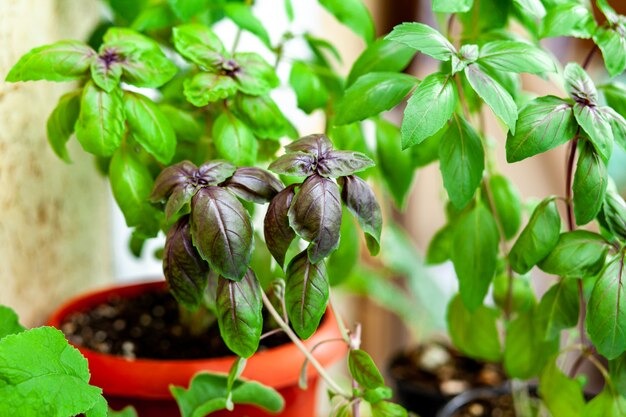
The tulsi plant has a special position in Indian houses as it is connected with purity, positivity and spiritual well-being. The majority of householders keep a tulsi plant close to the entrance door, balcony, hall or terrace to welcome peace and good luck into the house. Vastu Shastra suggests that tulsi location is quite important because various directions affect the circulation of energy in the house. The placement of tulsi can form a peaceful and harmonious environment, whereas improper placement can diminish its positive qualities. At Walls and Dreams, we believe that thoughtful home planning includes even the placement of sacred plants for a balanced lifestyle.
Importance of Tulsi Plant in Indian Houses
The tulsi plant is not only worshipped but also admired for practical reasons. It adds greenery, enhances the quality of air and brings a refreshing touch to the environment.
Main Reasons Families Keep Tulsi at Home:
- Considered sacred and auspicious in Hindu tradition
- Believed to attract positive energy
- Utilized in herbal remedies and home care
- Improves beauty of balconies, courtyards and terraces
- Helps keep a calm and clean environment
Many modern homes now include tulsi plants at home as part of both spiritual and decorative design planning.
Best Direction to Keep Tulsi Plant According to Vastu
Choosing the correct direction is one of the most important Vastu rules for tulsi placement.
North-East Direction – Most Auspicious
The north-east corner is considered the best location as it is related with divine energy, purity and peace of mind.
Benefits of placing tulsi here:
- Promotes harmony in the family
- Encourages positive energy flow
- Develops a peaceful environment for prayer and meditation
East Direction – Appropriate for Growth and Positivity
The east direction can be another ideal choice, in case the north-east area isn’t available. Morning sunlight supports healthy growth and freshness.
North Direction – Acceptable Option
The north is also considered beneficial because it is connected with prosperity and opportunities.
This is the reason why most of the professionals recommend the best place for tulsi plants at home should preferably be north-east, east or north.
Directions to Avoid for Tulsi Placement
While tulsi is sacred, improper placement should be avoided.
Avoid These Areas:
- South-west corner
- Bathrooms or near drainage areas
- Dark indoor corners with no sunlight
- Directly under staircases
- Cluttered storage spaces
These locations may block energy flow and may not support plant health.
Vastu Ideas for Tulsi Plant at House
Regular care and respectful positioning enhance the spiritual and aesthetic value of tulsi.
Crucial Vastu Ideas:
- Keep the area clean and elevated
- Use a decorative planter or dedicated platform
- Water regularly in the morning
- Light a diya nearby during evening prayers if desired
- Ensure sunlight reaches the plant daily
- Prevent broken pots or damaged containers
Following vastu for tulsi plants at home can help develop a more positive and harmonious living area.
Can Tulsi Be Placed Indoors?
Yes, tulsi can be positioned inside as long as they are able to get sufficient sunlight and air circulation is proper. However, it performs better in semi-open areas such as balconies, terraces, window sides and courtyards.
Inside Placement Suggestions:
- Near east-facing window
- Balcony receiving morning sunlight
- Ventilated prayer room corner
- Open kitchen garden area
In case you’re wondering how to grow tulsi plant at home, always select an area where the plant can receive at least a few hours of sunlight.
How to Grow Tulsi Plant Successfully at Home
Growing tulsi is easy when basic care is followed.
Steps to Grow Tulsi:
- Select a pot with drainage holes
- Use nutrient-rich loose soil
- Place in sunlight for 4–6 hours daily
- Water moderately without overwatering
- Trim dry leaves regularly
- Safeguard from heavy rain or frost
People mostly seek how to grow tulsi plants at home as it is easy to maintain and highly rewarding.
Beautiful Tulsi Plant Designs for Contemporary Houses
Today, homeowners blend tradition with stylish architecture by adding attractive tulsi spaces.
Popular Design Ideas:
- Raised marble tulsi stand in courtyard
- Terracotta pot near main entrance
- Wooden decorative planter on balcony
- Traditional brick tulsi vrindavan design
- Minimal modern ceramic tulsi pot
Innovative tulsi plant designs at home can increase both looks and spiritual ambiance.
Advantages of Having Tulsi Plant at Home
Tulsi provides various functional and emotional advantages.
Health Advantages:
- Helps purify surrounding air
- Used in herbal tea and remedies
- Supports stress relief through natural aroma
Spiritual Advantages:
- Creates a calm atmosphere
- Symbolizes purity and devotion
- Encourages positive daily rituals
Design Advantages:
- Adds greenery to compact homes
- Beautifies balconies and entrances
- Creates a welcoming natural corner
These are some major benefits of keeping tulsi plants at home that make it a timeless choice.
Tulsi Placement for Apartments and Small Homes
Even compact homes can keep tulsi with smart placement.
Best Options for Flats:
- Balcony railing planters
- Window ledges with sunlight
- Small terrace garden corners
- Indoor stand near east-facing window
Walls and Dreams mostly prefer collaborating greenery into apartment layouts to make houses feel more peaceful and lively.
Common Pitfalls to Prevent
Most of the house owners unknowingly decrease plant health through improper positioning or neglect.
Prevent these mistakes:
- Overwatering the plant
- Keeping in dark corners
- Ignoring dried leaves
- Using cracked pots
- Placing near garbage bins
- Keeping in areas with no airflow
Continuous care guarantees your tulsi remains healthy and vibrant.
Why Tulsi Placement Matters in Home Design
A home should support both comfort and positivity. Sacred plants such as tulsi can become part of the complete design idea when placed thoughtfully. At Walls and Dreams, we motivate house owners to blend Vastu standards with contemporary planning so each component from sunlight to greenery adds value to the space.
Conclusion
Having tulsi in the correct direction according to Vastu can bring positivity, freshness and spiritual comfort to your house. The north-east or east direction is mainly considered ideal whereas balconies, courtyards and open areas are functional contemporary options. Be it a villa or an apartment, adding tulsi thoughtfully can uplift both your interiors and daily way of living. With regular care and wise positioning, this sacred plant becomes a beautiful symbol of peace in every house.