
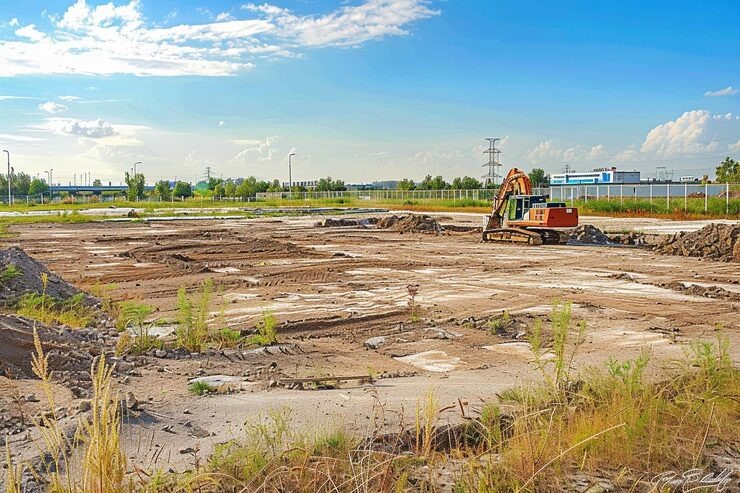
One common question that comes to mind when one owns a piece of agricultural land in India is how much he can actually construct on it. Most of the landowners buy farm land to develop it as a location for relaxation on weekends, as a storage place or as an investment for the future. Nevertheless, understanding the legal regulations owning construction allowed on agricultural land across various states are important, before initiating any construction.
Development rules on agricultural land differ widely in India since state governments hold the leverage in land laws. Some states allow limited construction related to farming activities, whereas others require changes in land usage prior to construction of any residential or commercial structure.
To those intending to conduct such projects, Walls and Dreams assists the clients to comprehend approvals, planning standards and safe development choices by providing quality construction services adapted to legal requirements.
What is Agricultural Land in India?
Agricultural land is defined as a land, which is officially designated to farming and cultivation, horticulture, livestock activities and allied agricultural purposes. It is typically intended for crop production and supporting rural livelihoods.
Common uses include:
- Dairy farming
- Crop farming
- Poultry farming
- Greenhouses
- Orchards and plantations
- Irrigation-related structures
- Farm equipment storage
If land records classify a property as agricultural, then direct residential or commercial construction may be restricted.
Can You Do Development on Agricultural Land in India?
Yes, but only under certain circumstances. The kind and size of structure relies on:
- State land laws
- Zoning regulations
- Local municipal or panchayat rules
- Purpose of construction
- Land size
- Distance from urban development zones
In many cases, limited construction on agricultural land is permitted if the structure supports farming activity.
Examples:
- Farmhouse (subject to area limits)
- Storage shed
- Cattle shelter
- Water tank room
- Pump house
- Security cabin
- Worker accommodation
Changing to non-farming property is crucial, particularly in case of bigger houses, villas and business construction.
How Much Construction is Normally Permitted?
There is no single national percentage because each state follows different laws. However, general patterns across India include:
1. Farmhouse Construction Limits
Some states allow farmhouse construction up to a certain percentage of total land area.
Examples may include:
- 1% to 5% of total land area
- Fixed built-up area caps such as 200 sq.m. or 500 sq.m.
- Minimum land holding requirement before approval
2. Utility Structures
Buildings directly related to farming often receive easier approvals.
Examples:
- Tool sheds
- Machinery rooms
- Cold storage units
- Borewell rooms
- Animal sheds
3. Setback and Height Rules
Even if construction is permitted, local authorities may require:
- Boundary setbacks
- Road access clearance
- Height restrictions
- Fire safety compliance
- Drainage provisions
State-Wise Differences You Should Know
Due to land being a state subject, there can be a lot of variation in rules.
Uttar Pradesh
- Farmhouse permissions may depend on development authority areas.
- Land near urban zones may need conversion approval.
Maharashtra
- Certain farmhouse constructions were allowed with conditions.
- NA (Non-Agricultural) conversion is often required for residential use.
Haryana
- Controlled areas near cities have stricter permissions.
- Farmhouses may need licensing.
Punjab
- Agricultural support structures are generally easier than residential projects.
Karnataka
- In case of non-farm residential construction, conversion rules are applicable.
Always check it with the local tehsildar, revenue department and development authority.
When is Land Conversion Required?
If you want to build any of the following, conversion is usually needed:
- Full residential house
- Gated farmhouse project
- Commercial complex
- Warehouse unrelated to agriculture
- Resort
- Factory
- Rental apartments
Land conversion changes agricultural classification into residential, commercial, or industrial use depending on permission.
Without conversion, unauthorized construction may attract:
- Penalties
- Demolition notices
- Utility connection refusal
- Legal disputes
- Sale complications
Documents Commonly Required Before Construction
Before starting work, keep these papers ready:
- Title deed
- Mutation records
- Khata / khasra / khatauni copy
- Land map
- Encumbrance certificate
- Identity proof
- NOC if applicable
- Building plan approval
- Conversion order (if needed)
Working with a professional construction company helps streamline approvals and technical planning.
How Walls and Dreams Helps Landowners
Planning on agricultural land requires more than design—it needs compliance. Walls and Dreams supports clients through:
- Site feasibility checks
- Layout planning
- Farmhouse design concepts
- Cost estimation
- Approval guidance
- Structural planning
- Turnkey execution
If you search for construction companies near me, choosing an experienced team can reduce delays and legal risk.
Important Things to Consider Before Building
Check Road Access
Ensure legal access roads exist. Landlocked plots may create approval issues.
Water Availability
Construction and future use require dependable water supply.
Electricity Permissions
Temporary and permanent electricity connections may need approvals.
Soil Condition
Soil testing is important for safe foundations.
Future Land Value
Legal and approved construction usually increases resale value more than unauthorized structures.
Mistakes to Avoid
- Starting construction without checking land classification
- Assuming all states follow the same rules
- Ignoring local authority permissions
- Building beyond approved area
- Purchasing disputed agricultural land
- Not using licensed professionals
- Depending only on verbal assurances
Best Approach for Safe Construction
To develop agricultural land wisely:
- Verify land title
- Confirm zoning rules
- Check permitted built-up area
- Apply for approvals
- Prepare proper drawings
- Estimate budget
- Begin construction through experts
Professional planning prevents future legal trouble and wasted money.
Conclusion
The extent to which agricultural land in India can be used in construction depends solely on the state, district and intended purpose of the building. Small farm-related buildings might get approval, whereas residential houses or commercial buildings normally need land conversion and permissions. The most secure way is to check local regulations prior to investing. With professional advice from Walls and Dreams, landowners have a chance to plan compliant, efficient and future-ready development on agricultural land.