
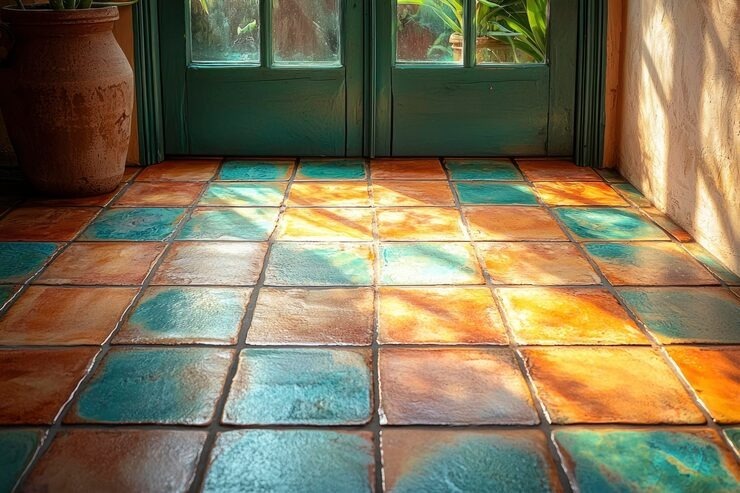
Flooring tiles are also one of the least complex and cheapest methods of repurposing your space without a complete renovation. You would like to renovate your bathroom or your kitchen or your balcony, you can use floor tile paint and immediately appear to be a stylish and modern decor.
We are convinced that even a minor improvement can do wonders in terms of visuals at Walls and Dreams. This step-by-step action plan will demonstrate all the preparation to completion, as well as tips that can be used in practice to ensure the results are long-lasting.
Why Paint Floor Tiles?
It is worth knowing the reason as to why the tile painting is gaining popularity before getting into the process
Key Benefits:
- Alternative to tile replacement that is cost-effective
- Rapid and less disruptive process
- Large range of colours of floor tiles paint
- DIY home improvement
- Creative customization to patterns and textures
A professional finish can be attained at under a quarter of the cost using the appropriate approach and the most appropriate paint to be used on tile floors.
Tools and Materials You’ll Need
A smooth and lasting finish is achieved through the preparation
Essential items:
- Tile cleaner or degreaser
- Sandpaper (smooth and coarse grains)
- Primer (tile-specific)
- Paint roller and brushes
- Painter’s tape
- Protective gloves and mask
- High-quality tile paint
- Sealant or topcoat
The right tools are the first thing to have in order to achieve striking results.
Step-by-Step Guide to Painting Floor Tiles
These are the steps to follow in order to achieve the best.
Step 1. Clean Tiles with Thoroughness
Prior to the application of any paint, cleanliness is essential
- Cleanse up dirt, grease and stains
- Cleaning agent / Degreaser: Use a powerful tile cleaner
- Allow the surface to dry
This provides the correct adhesion of the paint.
Step 2. Sand the Surface
Sanding is used to offer a rough texture on which to bond better paint.
- Wipe the tiles with medium grit sandpaper.
- Focus on glossy surfaces
- clean with a clean cloth.
Step 3. Repair Cracks and Gaps
Seal up any damage prior to painting.
- Sew cracks with suitable filler
- Smooth the surface evenly
- Love your repairs until they dry
Step 4. Apply Primer
Primer is needed in terms of durability and finish quality.
- Use a tile-specific primer
- Apply evenly with a roller
- Allow to dry according to the directions
Failure to do this may result in peeling paint.
Step 5. Apply the Paint
This is followed by the stage of transformation.
- Apply the finest paint on tile floors to achieve long term success
- Apply thin, even coats
- Apply edges with a brush and greater areas with roller.
- Apply one coat and then allow it to dry before applying the next
Two to three coats would be recommended.
Step 6. Add Designs (Optional)
This is where creativity comes in.
Discover the following ideas painted tile floors:
- Geometric patterns
- Checkerboard designs
- Stencil artwork
- Minimalist solid tones
This measure can make the whole appearance of your environment higher.
Step 7. Seal the Surface
Sealing is used to cover the paint and make it more durable.
- Use a topcoat or sealant.
- Select a matte, satin or glossy finish.
- Proper curing time is required.
This measure is particularly significant in high traffic locations.
Special Tips for Painting Bathroom Floor Tiles
In painting bathroom floor tiles, additional attention is required, as it is exposed to moisture.
Important tips:
- Apply anti-slip waterproof paint.
- Make sure the time of painting is well ventilated.
- Use several layers of sealants.
- Do not use the area until it is completely healed.
This assists in preserving the safety and longevity.
Choosing the Right Paint Colours
The choice of the appropriate colour can entirely transform the atmosphere of your place.
The most popular floor tile paint colours are:
- Creamy and pure to appear clean
- Grey and charcoal modern finish
- Light colors to create a feminine touch
- Popular statement flooring colours
Before the final decision it is always important to consider the size of the room, lighting and the existent decor.
Common Mistakes to Avoid
These pitfalls should be avoided in order to achieve a professional outcome:
- Failure to clean or sand.
- Using low-quality paint
- The use of thick coats rather than thin layers.
- Failure to provide drying time.
- Leaving out sealant application.
It is all about details.
Maintenance Tips for Painted Tile Floors
To maintain your new painted tiles in a fresh state:
- Avoid harsh chemicals
- Use mild cleaning solutions
- Frequently wipe to avoid the accumulation of dirt
- Install rugs or carpets on the high-traffic areas
Tiles will be properly taken care of and that will have a long life span.
When Should You Consider Professional Help?
Although tile painting may be considered a DIY job, it is advisable to have professional help when:
- The area is large or complex
- Tiles are heavily damaged
- You want intricate designs
- You require a durable commercial grade finish.
At Walls and Dreams, we provide professional services in order to achieve perfect performance and high-quality work.
Final Thoughts
Flooring is an ingenious and stylish way of beautifying your house without necessarily making use of high finances to decorate your home. Beautiful results can be made with the proper preparation, materials and techniques which would add the aesthetics and usefulness.
Are you trying out painted tile flooring or just redecorating using old tiles, this guide would give you all that you need to begin with.
It takes a bit of effort and a bit of creativity and your space can be turned into something really beautiful.