
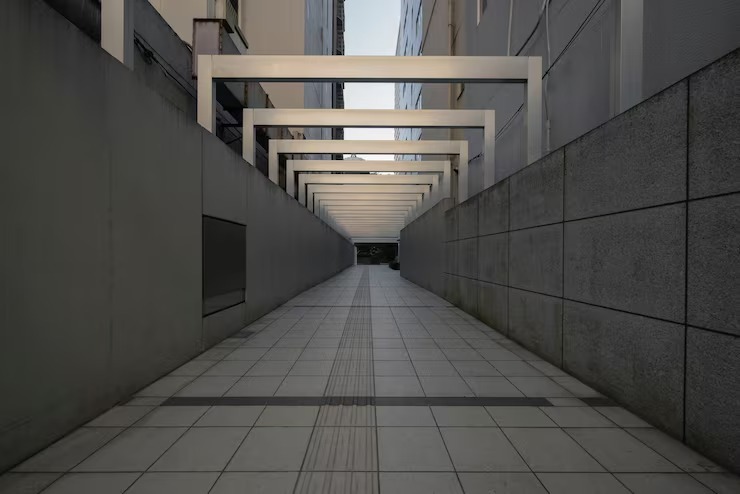
Architecture is not simply a matter of buildings – it‘s a matter of people experiencing spaces. The greatest experiences in designing do not occur in the primary rooms, but rather the inter-spaces. These are called liminal space areas- transitional spaces that are used to attach one place in another but also influence human perception and emotion very subtly. In Walls and Dreams, we think that effective design is more than mere building and beauty. It dwells on how spaces direct, shape and augment the daily experiences. This is where liminal space architecture becomes very important in contemporary design.
What Are Liminal Spaces?
Before delving into the concept, it is first important to take a glimpse of what are liminal spaces.
Liminal spaces refer to a transition zone that is in between two assigned spaces or states. In architecture, they are:
- Hallways and corridors
- Staircases and elevators
- Entryways and lobbies
- Waiting bays and crossing places
These are not the spaces designed to be used in the long run but rather the links. Nevertheless, they have a great influence on the feelings and orientation of people in a building.
Why Liminal Spaces Matter in Architecture
Liminal spaces are not well taken into consideration, but they are influential in determining human experience.
Key reasons they matter:
- They direct the flow of a building
- They make initial impressions
- They have effects on perception and mood
- They offer breaks or change over
These spaces have to be created by large architecture companies or local specialists in order to make a unified and purposeful environment.
The Concept of Liminal Space Architecture
In the transitional space architecture, the design is made on the transitional spaces, and is not considered as of-leftover space.
Rather than being functional, these areas are meant to:
- Enhance user experience
- Build emotional relations.
- Improve spatial flow
- Add aesthetic value
Contemporary designers realize that the process of travelling in a space is equally significant as the place.
Types of Liminal Spaces in Architecture
Various forms of liminal spaces are used in a building with varying purposes.
1. Physical Transition Spaces
These are the most widespread liminal spaces which are physically interconnecting areas.
Examples:
- Corridors connecting rooms
- Staircases linking floors
- Intersections between the indoors and outdoors
- They make movement and accessibility easy
2. Spaces of Psychological Transition
These spaces produce a change of mood or experience.
Examples:
- A dark corridor just before the office
- The entrance is dark with a glowing living room
- These transitions assist in getting the mind ready for a new setting
3. In-Outdoor Transitional Spaces
These areas come close to the definition of interior and exterior.
Examples:
- Balconies
- Verandas
- Courtyards
They establish an immaculate interaction with nature and add comfort.
4. Functional Transition Zones
These areas are meant to serve certain purposes and also link areas.
Examples:
- Waiting lounges
- Reception areas
- Lift lobbies
They are both useful and mobile.
Design Elements of Effective Liminal Spaces
Liminal space necessitates detail when it comes to its design.
Key elements include:
Lighting: The use of natural or soft lighting may be used to generate a friendly transition.
Materials: Both texture and finishes have an effect on perception.
Scale: Width and height influence movement and comfort.
Sound: Acoustic design is capable of improving or relaxing the ambience.
Visual signals: Direction is indicated by signs and designs.
The architecture firms in gurgaon tend to pay attention to these aspects to produce iconic transitional spaces.
Liminal Spaces and their influence on human experience
Liminal spaces impact on the way humans feel, although it may not be conscious.
Emotional Impact
Minimalism can induce relaxation through the use of calm space
Dark/narrow rooms can be mysterious or uncomfortable
Transitions are open and bright which brings about positivity
Behavioral Influence
Easy routes enhance efficiency of movement
Lay-outs that are confusing would be frustrating
Open spaces facilitate discovery
That is why such transitions are carefully planned by experienced specialists such as an architect in gurugram.
Role of Architects in Designing Liminal Spaces
Architects are essential contributors to these transition experiences.
In case of working with architecture firms near me, you will find:
- Strategic space planning
- Considerable movement between spaces.
- Design and functionality integration.
- Focus on user experience
At Walls and Dreams, all spaces including transitional spaces are designed to contribute to the overall design.
Common Mistakes in Liminal Space Design
Such a neglect of liminal spaces may adversely affect the whole experience of building.
Common mistakes include:
- Playing them like waste areas.
- Inadequate lighting or air circulation.
- Small or crowded avenues.
- Lack of visual direction
- Ignoring aesthetics
Avoiding these mistakes ensures better functionality and user satisfaction.
Benefits of Well-Designed Liminal Spaces
Liminal spaces have a number of benefits when done correctly:
- Better navigation and circulation
- Further comfort and usability
- Greater attachment to space
- Harmony in the design in general
- Increased property value
Most of the prominent architecture companies in Gurgaon value such spaces in order to produce the quality of designs.
Liminal Spaces in Modern Architecture
Modern architecture is moving towards experience-driven design. Liminal spaces are becoming an essential part of this approach.
Trends include:
- Minimalist interstitial regions.
- Combination of nature elements.
- Smart lighting systems
- Open and flexible layouts
The innovations contribute to the development of spaces that are easy to use, networked and contemporary.
How Walls and Dreams Approaches Liminal Design
At Walls and Dreams, each move in a room must be deliberate. We design transitions that are easy, significant, and attractive to look at.
We ensure:
- Fluid transition between spaces
- Distributed lighting and materials
- User-focused layouts
- Harmony of emotions and functions
We aim to make spaces in which all spaces, main and transitional, can be used to enhance living.
Final Thoughts
Liminal spaces can be minute, even trivial, and yet, they can be very influential on the experience of architecture. By knowing the existence of liminal spaces and their functionality, architects and homeowners can build more intelligent and captivating spaces. The idea of liminal space architecture is not about bridging places, but defining travel, feelings, and experiences. Regardless of whether you are in the top architects in gurgaon or you are reviewing the local professionals, you would find that taking note of the transitional design could bring your project to a new level. Ultimately, good architecture is not as much about where you are, but how you arrive there.