
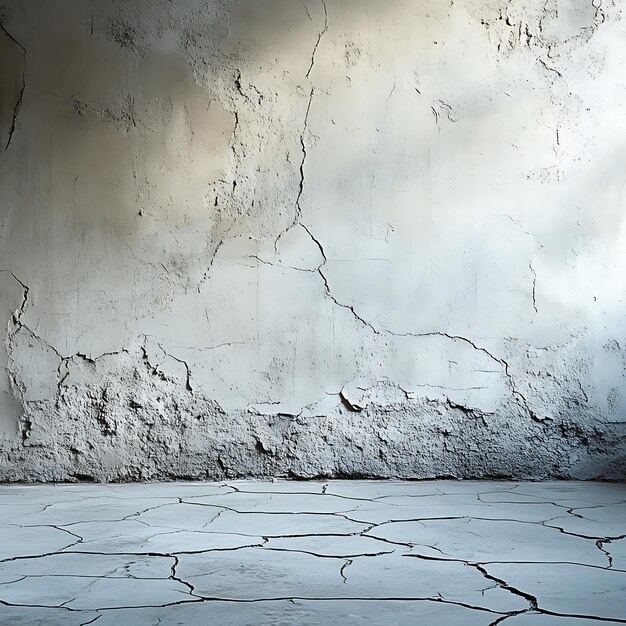
Concrete is a highly resistant and commonly used building material, still it cannot withstand damage. Environmental factors, structural forces and poor construction methods can lead to various types of cracks in concrete over time. Understanding these cracks is important to ensure strength, safety and durability of any structure.
At Walls and Dreams, we are confident that costly repairs can be avoided by proper preventative measures and early detection. This guide explains everything that you should know including reasons behind the issues and practical solutions in an easy to understand format.
How Cracks Occur in Concrete?
The presence of cracks in concrete does not necessarily indicate failure. Some are natural and some point to underlying structural problems.
Common Causes
- Overload or structural stress
- Shrinkage during drying and curing
- Poor construction techniques
- Expansion and contraction due to temperature changes
- Improper water-cement ratio
- Soil settlement beneath the structure
- Corrosion of reinforcement steel
- Lack of proper curing
Major Types of Concrete Cracks
Different cracks represent various problems. Identifying them correctly is the initial step toward effective repair.
1. Plastic Shrinkage Cracks
- Appear within hours after concrete is poured
- Caused by rapid moisture loss
- Common in hot and windy conditions
- Typically shallow but can affect surface durability
2. Drying Shrinkage Cracks
- Develop as concrete loses moisture over time
- Usually fine and random
- Often seen in floors and walls
- Can widen if not controlled
3. Structural Cracks
- Result from excessive loads or poor design
- Deep and often dangerous
- May require immediate professional attention
- Common in beams, columns, and slabs
4. Settlement Cracks
- Caused by uneven settling of the foundation
- Usually vertical or diagonal
- Can compromise structural integrity
5. Thermal Cracks
- Caused by temperature differences within concrete
- Expansion and contraction create stress
- Common in large concrete structures
6. Hairline Cracks
- Very thin and superficial
- Mostly aesthetic issues
- Can become problematic if water seeps in
7. Craze Cracks
- Network of fine surface cracks
- Caused by improper finishing techniques
- Usually harmless but affect appearance
Understanding Cracks in Different Areas
Concrete cracks vary depending on where they occur in a structure.
Cracks in Floors and Slabs
- Often due to shrinkage or load stress
- Poor compaction of soil can worsen the issue
- Common example: cracks in concrete slab
Cracks in Ceilings
- Can indicate structural or reinforcement issues
- Moisture leakage may worsen damage
- Example: cracks in concrete ceiling
Cracks in Walls
- May result from foundation movement
- Vertical cracks are less serious than diagonal ones
How to Identify Serious vs Small Cracks
Not every crack demands immediate action, but some shouldn’t be overlooked.
Minor Cracks
- Hairline or surface-level
- No change in width over time
- No structural impact
Serious Cracks
- Wider than 3 mm
- Increasing in size
- Accompanied by water leakage
- Located near load-bearing elements
Detailed Guide to Repair Concrete Cracks
knowledge about how to fix cracks in concrete steps can help avoid further damage and restore strength.
Basic Repair Process
- Wipe down the crack to eliminate dust and debris
- Use a wire brush or air blower for better results
- Use an appropriate crack filler or sealant
- Use epoxy injection for deep or structural cracks
- Smooth the surface for a uniform finish
- Allow proper curing time
Repair Methods Based on Crack Type
- Hairline Cracks – Utilize liquid sealants or surface coatings
- Structural Cracks – Epoxy injection or professional reinforcement
- Shrinkage Cracks – Versatile fillers to allow movement
- Wide Cracks – Cement mortar or polymer-based repair compounds
Prevention Methods for Long-Lasting Concrete
Avoidance is always better than repair. Proper planning and implementation can significantly decrease crack formation.
During Construction
- Maintain the correct water-cement ratio
- Use high-quality materials
- Ensure proper compaction of soil
- Install control joints to manage stress
- Use reinforcement bars effectively
During Curing
- Keep concrete moist for adequate time
- Avoid rapid drying
- Protect from extreme weather conditions
Post-Construction Care
- Regular check and maintenance
- Seal surfaces to avoid water accumulation
- Avoid overloading structures
Significance of Professional Construction Methods
Multiple concrete cracks arise due to poor craftsmanship and lack of technical knowledge. At Walls and Dreams, every project is implemented with accuracy, ensuring:
- Proper structural design and load calculation
- Long lasting durability and safety
- Advanced construction techniques
- Use of modern tools and materials
- Quality checks at every stage
Quick Comparison of Crack Types
| Crack Type | Cause | Severity | Repair Method |
| Plastic Shrinkage | Rapid drying | Low | Surface sealing |
| Drying Shrinkage | Moisture loss | Medium | Flexible fillers |
| Structural | Load stress | High | Epoxy injection |
| Settlement | Soil movement | High | Foundation repair |
| Thermal | Temperature change | Medium | Expansion joints |
| Hairline | Minor shrinkage | Low | Sealant |
Signs You Should Not Ignore
- Fissures that get wider with time
- Water leakage through cracks
- Uneven floors or tilting walls
- Cracks near beams or columns
- Multiple cracks forming in a pattern
Smart Tips for Homeowners
- Inspect your property every 6 months
- Address small cracks early before they grow
- DIY repairs of structural cracks should be avoided
- Apply waterproof covering in wet places
- Seek professional advice to diagnose correctly
Conclusion
The most frequent but avoidable problem in building construction is cracks in concrete. Understanding the different types of cracks in concrete, their causes and appropriate repair techniques can help you to maintain the safety, viability and long-term durability of your building. It could be scratches on the surface or some structural issues but taking action on time will make the entire difference. Under the expert supervision of Walls and Dreams, you will be able to construct and upkeep spaces that will be sturdy over the years without sacrificing on quality or safety.